Types of CKD

Types of CKD are diabetic nephropathy, hypertensive nephrosclerosis, glomerulonephritis, interstitial nephritis, polycystic kidney disease, obstructive nephropathy, vesicoureteral reflux, and recurrent kidney infections. Diabetic nephropathy is the most common, affecting about 25-33% of people with type 2 diabetes and accounting for over 40% of new kidney failure cases.
Types of CKD

Here are the types of CKD in detail below:

Diabetic nephropathy

Diabetic nephropathy is kidney damage caused by long-term diabetes that leads to leakage of protein in urine and decline in kidney function over time. According to Thomas et al., 2007, diabetes accounts for more than 40% of new kidney failure cases in many countries, highlighting its leading role in chronic kidney disease; recent 2024 studies report diabetic kidney disease in roughly one-quarter to one-third of people with type 2 diabetes, supporting early checks of urine albumin and eGFR.

Hypertensive nephrosclerosis

Hypertensive nephrosclerosis is kidney scarring and blood vessel damage from long-standing high blood pressure that gradually reduces filtration. Good blood pressure control, salt management, and kidney-protective medicines help slow decline and lower cardiovascular risk over time.

Glomerulonephritis

Glomerulonephritis is inflammation of the kidney’s tiny filters that can follow an immune response or be part of diseases like lupus. Treatment depends on the cause and can include blood pressure control, immune therapy, and supportive care to protect kidney function.

Interstitial nephritis

Interstitial nephritis is irritation and swelling of the kidney tubules and surrounding tissue, often triggered by medicines, autoimmune issues, or infections. Stopping the offending drug, treating inflammation, and monitoring kidney tests support recovery and reduce scarring risk.

Polycystic kidney disease

Polycystic kidney disease is an inherited condition in which clusters of fluid-filled cysts enlarge the kidneys and reduce their function over decades. According to Mahboob and colleagues, 2024, autosomal dominant polycystic kidney disease is the most common genetic cause of kidney failure and accounts for about 6–10% of patients on dialysis in the United States, emphasizing the value of family screening and blood pressure control.

Obstructive nephropathy

Obstructive nephropathy is kidney damage from blocked urine flow due to problems like stones, prostate enlargement, or ureteral narrowing. Relieving the blockage quickly, preventing new stones, and treating infections helps preserve kidney function.

Vesicoureteral reflux

Vesicoureteral reflux is backward urine flow from the bladder to the kidneys that increases infection and scarring risk, especially in children. According to Salo and colleagues, 2023, children with reflux had a 3.78-fold higher risk of developing chronic kidney disease compared to peers, so early diagnosis and follow-up matter.

Recurrent kidney infections

Recurrent kidney infections are repeated bouts of pyelonephritis that inflame and scar kidney tissue over time. Fast treatment of each infection, checking for reflux or obstruction, and prevention strategies like hydration and prompt urine testing reduce long-term damage.

Is ESRD a type of CKD?

End-stage renal disease (ESRD) is the most advanced stage of chronic kidney disease, so it is part of CKD rather than a separate condition; it’s the stage where kidney function is so low that dialysis or a transplant is usually needed.

How is chronic kidney disease classified?

Chronic kidney disease is classified by three pieces of information together: the underlying cause (such as diabetes or high blood pressure), the level of kidney function based on eGFR from G1 to G5, and the amount of albumin (protein) in urine from A1 to A3.

Conclusion and next steps with Dr. Vishal Golay (Siliguri)

CKD are best understood by the cause like diabetes or high blood pressure, glomerular disease, tubulointerstitial disease, vascular causes, cystic or inherited disease like polycystic kidney disease, and post-renal problems such as obstruction or reflux, because this cause-first view is the standard way clinicians label and plan care. Using the KDIGO CGA approach (Cause, GFR stage, Albuminuria) aligns the right tests and treatments to each situation for safer, faster decisions and better outcomes, and Dr. Vishal Golay Nephrologist practicing in Siliguri applies this framework to deliver clear diagnosis, streamlined staging, and practical follow-up in Siliguri.

How Does Chronic Kidney Disease Lead To Anemia?

Chronic kidney disease (CKD) leads to anemia mainly because damaged kidneys produce less erythropoietin (EPO)—the hormone that signals bone marrow to make red blood cells—and because inflammation in CKD raises hepcidin, which traps iron in stores and blocks its use, causing iron-restricted erythropoiesis. Additional contributors include shortened red cell lifespan, uremic toxins that blunt marrow response, nutritional deficits, and blood loss (especially with dialysis). According to KDIGO’s 2025 Anemia in CKD guideline (public review draft, Nov 2024), EPO deficiency and hepcidin-driven iron restriction are central mechanisms in CKD anemia.

How Does Chronic Kidney Disease Lead To Anemia

How Does Chronic Renal Failure Lead To Anemia?

In advanced CKD (chronic renal failure), peritubular interstitial cells in the kidney produce less EPO, which leads to reduced red blood cell (RBC) production and apoptosis of erythroid precursors in bone marrow. StatPearls (Vaidya et al., updated July 22, 2024) emphasizes EPO deficiency as the hallmark of CKD anemia and notes that pro-inflammatory cytokines further suppress erythropoiesis.

Iron handling is also disrupted: chronic inflammation elevates hepcidin, reducing intestinal iron absorption and preventing iron release from macrophages and the liver, leading to functional iron deficiency despite normal or high ferritin. KDIGO 2025 highlights hepcidin’s role in iron-restricted erythropoiesis in CKD due to persistent inflammation and declining renal clearance.

Beyond EPO and iron, other factors worsen anemia: uremic toxins blunt marrow responsiveness, RBC lifespan shortens, and comorbid deficiencies of B12/folate or dialysis-related blood loss can contribute. A 2021 review in Frontiers in Medicine (Santos-Araújo et al., Mar 25, 2021) synthesizes these mechanisms and the interplay of HIF, erythroferrone, and iron transport genes in stress erythropoiesis.

How Common Is Anemia In CKD Patients In India?

Anemia is frequent and increases with CKD stage, though exact prevalence varies by setting and methodology. A 2023 open-access synthesis reports prevalence around 39.36% among CKD in India, with higher rates at advanced stages, contrasting 14% in the USA and over 50% in several low- and middle-income regions; stage-wise global estimates cited were 22.4%, 41.3%, and 53.9% for CKD stages 3, 4, and 5, respectively (Bishaw et al., 2023).

Regional Indian data remain heterogeneous, but local cross-sectional studies often show high burdens, especially in late stages and resource-limited contexts. For instance, a 2025 cross-sectional analysis from Odisha CKD hotspot villages reported anemia in 85.7% of CKD and 89.2% of CKDu patients, with microcytic patterns common—underscoring the roles of iron deficiency, environment, and late presentation (Das et al., Journal of Clinical Nephrology, Apr 15, 2025).

Smaller Indian reports similarly cite wide ranges (30–90%) driven by nutrition, access to care, and diagnostic criteria; a pragmatic Indian overview described rising prevalence from about 20% at Stage 1 to over 90% at Stage 5, highlighting the stage dependence and systemic contributors in LMIC settings.

What Are The Symptoms Of Anemia In Chronic Kidney Disease Patients?

Typical symptoms include fatigue, reduced exercise tolerance, shortness of breath, palpitations, headaches, lightheadedness, and pallor; in CKD, anemia can also exacerbate angina, heart failure symptoms, cognitive changes, and restless legs. Educational and clinical reviews (e.g., StatPearls 2024 and Medscape overview) link CKD anemia to quality-of-life decline and increased cardiovascular risk, reinforcing the need for routine hemoglobin checks aligned with CKD stage.

Because CKD patients may also have fluid overload and metabolic acidosis, anemia-related dyspnea or weakness can be mistaken for other complications; structured assessment with hemoglobin, ferritin, transferrin saturation (TSAT), and markers of inflammation helps clarify causation. KDIGO 2025 recommends tailored lab evaluation to identify absolute versus functional iron deficiency and to guide therapy.

3D render of a virus cell with red spikes against a gradient background.

How To Treat Anemia In People With CKD?

Here are some ways to treat anemia in people with CKD but do not try any of the below without any medical supervision.

  • Correct iron deficiency first: KDIGO 2025 advises iron repletion for low TSAT and/or ferritin thresholds, with intravenous iron favored in many CKD settings for efficacy and to overcome hepcidin-mediated absorption limits. A prospective analysis from the FIND-CKD program showed hepcidin rises with both IV and oral iron and correlates with ferritin, reflecting store repletion, though hepcidin is variable and not a sole guide for response (Macdougall et al., PLoS One, 2016).
  • Use erythropoiesis-stimulating agents (ESAs) when indicated: After iron optimization, ESAs can raise hemoglobin by replacing deficient EPO; targets should avoid normalization to minimize cardiovascular risks noted in prior trials. StatPearls (2024) summarizes ESA use per KDIGO, emphasizing individualized targets and safety monitoring.
  • Consider HIF–prolyl hydroxylase inhibitors (HIF-PHIs): These oral agents stabilize HIF, increasing endogenous EPO and improving iron utilization; guideline discussions anticipate selective use where approved, with ongoing safety surveillance reflected in KDIGO 2025 deliberations.
  • Address contributors: Treat inflammation and infection, manage dialysis adequacy and blood loss, correct B12/folate deficits, and avoid nephrotoxic or marrow-suppressive drugs where possible. Reviews in Frontiers in Medicine and kidney-focused iron management texts highlight the need for holistic correction of iron metabolism and marrow responsiveness.
  • Monitor and adjust: KDIGO 2025 proposes risk- and response-based monitoring of hemoglobin, ferritin, and TSAT, increasing frequency at higher CKD stages or when starting/changing therapy; shared decision-making should weigh transfusion avoidance against cardiovascular risks in ESA therapy.

According to research synthesized by Awdishu and colleagues in AJHP (June 10, 2025), KDIGO 2024/2025 updates integrate renoprotective therapies with anemia management, emphasizing iron-first strategies, judicious ESA use, and comprehensive cardiovascular risk control.

Practical perspective for Siliguri, West Bengal

Given high background rates of iron deficiency and late CKD presentation in many Indian settings, intravenous iron can be particularly effective, especially when inflammation and hepcidin limit oral absorption. Local data from eastern India suggest substantial anemia prevalence in advanced CKD and CKDu communities, underscoring the need for early screening with hemoglobin, ferritin, and TSAT in high-risk populations.

Coordination of anemia care alongside blood pressure, diabetes control, and SGLT2/RAAS therapy helps slow CKD progression and reduce transfusion needs, which is crucial where transplant access is limited. KDIGO’s stepwise approach offers a reproducible framework for outpatient programs in tiered healthcare systems.

Conclusion and next steps with Dr. Vishal Golay (Siliguri)

Dr. Vishal Golay

Anemia in CKD is common, multifactorial, and treatable: optimizing iron and EPO pathways can restore hemoglobin, improve energy, and reduce cardiovascular risk when guided by evidence-based protocols. Early testing for hemoglobin, ferritin, and TSAT, followed by stepwise therapy per KDIGO, is the safest, most effective strategy.

For tailored care in Siliguri, Dr. Vishal Golay’s nephrology service offers:

  • Comprehensive anemia workup in CKD, including staging, iron profiling, inflammation assessment, and dialysis-related factors where relevant.
  • Individualized treatment plans with IV iron, ESA initiation and monitoring, and consideration of HIF-PHIs where suitable, aligned with the latest KDIGO guidance.
  • Integrated CKD management to slow progression, coordinate cardiovascular care, and reduce transfusion dependence through proactive anemia control.

Is Chronic Kidney Disease Caused By Alcohol

Patients ask this question many times in clinic: is chronic kidney disease (CKD) directly caused by alcohol? The short answer is that alcohol can harm kidneys through several pathways—especially at heavy levels or in the presence of other conditions like high blood pressure and liver disease but evidence from large cohort studies and meta-analyses is mixed on whether alcohol itself directly “causes” CKD. Some research even suggests that light-to-moderate intake is associated with a lower incidence of CKD, while heavy drinking can worsen kidney-related risk factors such as hypertension and albuminuria.

Is Chronic Kidney Disease Caused By Alcohol

What Research Says at a Glance

  • Experimental and mechanistic studies show alcohol can induce oxidative stress, inflammation, and direct tubular injury in kidneys, independent of liver damage.
  • Observational cohorts and meta-analyses report mixed results: several find light-to-moderate drinking associated with lower CKD incidence, while heavy drinking links to higher albuminuria and clinical risks that threaten kidneys.
  • Kidney health organizations advise limiting alcohol because it can raise blood pressure, dehydrate, and complicate kidney disease management—particularly in those already living with CKD.

How Alcohol Affects The Kidneys Biologically?

Alcohol is mostly metabolized in the liver, but the kidneys also contribute to metabolism and excretion; around 10% of ingested ethanol is excreted unchanged in urine. Enzymes such as alcohol dehydrogenase and CYP2E1 are present in renal tissue, and excessive intake can generate reactive oxygen and nitrogen species, driving oxidative stress, microvascular/hemodynamic changes, and inflammation within the kidneys. Animal models demonstrate leukocyte infiltration and structural kidney damage after prolonged ethanol exposure, indicating potential direct renal injury beyond liver-related effects.

These mechanisms explain why heavy or prolonged alcohol use may impair renal function, aggravate blood pressure, dysregulate fluids/electrolytes, and interact adversely with medications—all of which increase CKD risk or accelerate progression.

Epidemiology: does alcohol increase or decrease CKD risk?

Evidence is nuanced and depends on the amount of alcohol consumed, population studied, and outcomes measured.

  • Meta-analysis of 15 prospective cohorts (268,723 participants) found that low to moderate intake (<60 g/day) was associated with a lower risk of chronic kidney damage (including declined GFR and proteinuria) compared with non/occasional drinkers; severe intake (≥60 g/day) did not show benefit and suggested a nonsignificant increase in risk.
  • A meta-analysis of 20 studies reported an inverse association between high alcohol consumption and CKD in men (pooled RR ~0.72), with no significant association for proteinuria or end-stage renal disease overall; this highlights sex differences and heterogeneous definitions of “high” intake across studies.
  • An Australian 5-year cohort observed that intake ≥30 g/day correlated with increased albuminuria risk after adjustment—an early sign of kidney damage—even as some other cohorts reported lower CKD incidence with moderate drinking.
  • A large Taiwanese cohort (45,200 adults; 8.5 years follow-up) found social and regular drinkers had a lower incidence of new-onset CKD than non-drinkers after adjusting for confounders, illustrating potential protective associations at modest levels.

Interpreting these findings requires caution. Observational studies can be confounded by lifestyle and health differences between abstainers and moderate drinkers (e.g., the “sick quitter” effect). Definitions of “moderate” vary across studies, and endpoints (eGFR decline vs. albuminuria vs. ESRD) differ. Nonetheless, across multiple cohorts and meta-analyses, consistent patterns emerge: light-to-moderate drinking is often associated with lower CKD incidence, while heavier patterns are linked to risks (hypertension, albuminuria) that can harm kidneys.

Practical implications for people with or at risk of CKD

  • Blood pressure and hydration: Alcohol raises blood pressure in a dose-dependent fashion and can cause dehydration—both harmful to kidney health.
  • Medication interactions: Alcohol can interact with antihypertensives, diuretics, and diabetes medications, complicating CKD management.
  • Underlying liver disease: Alcohol-related liver disease can secondarily impair renal function (e.g., hepatorenal physiology), intensifying kidney risk.
  • Existing CKD: Kidney organizations recommend limiting alcohol; individualized limits depend on stage of CKD, comorbidities, and medications.

In short, while modest intake may not directly cause CKD and can correlate with lower CKD incidence in some populations, it is not a “treatment,” and any level beyond modest—especially daily or heavy use—can harm kidney health through blood pressure elevation, albuminuria, dehydration, and metabolic stress.

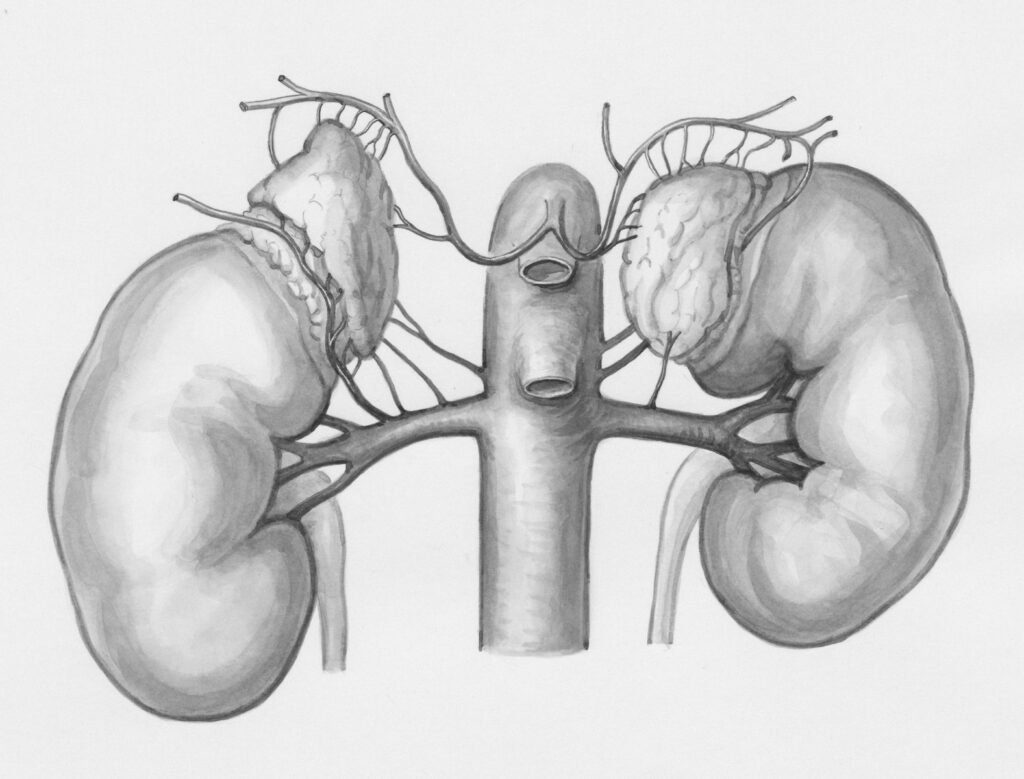
a drawing of the kidney and kidney

How much is “light,” “moderate,” or “heavy”?

Research definitions vary. One meta-analysis categorized intake as low (<13 g/day), moderate (13–26 g/day), high (26–60 g/day), and severe (≥60 g/day). For context, 10–14 g of alcohol approximates one standard drink in many countries. Importantly, safe limits must be individualized—especially in CKD—taking into account eGFR, albuminuria, blood pressure, cardiovascular risk, diabetes control, and medications.

Who should avoid alcohol?

  • Individuals with advanced CKD, uncontrolled hypertension, refractory edema, or recurrent dehydration.
  • Those with alcohol use disorder, liver disease, pancreatitis, or frequent gout flares (beer and spirits can raise uric acid).
  • Patients on interacting medications (e.g., sedatives, certain neuropathy treatments) or with poor diabetes control where hypoglycemia risk is heightened.

These groups face amplified kidney and systemic risks from alcohol, and abstinence or strict medical guidance is prudent.

Evidence-based takeaways

  • Alcohol does not uniformly or inevitably “cause” CKD, but heavy and prolonged consumption can damage kidneys via oxidative stress, inflammation, hypertension, albuminuria, and fluid/electrolyte disturbances.
  • Light-to-moderate intake is often associated with lower CKD incidence in cohorts and meta-analyses, especially among men, though causality is uncertain and benefits may reflect confounding lifestyle factors.
  • For people living with CKD—or with risk factors like hypertension, diabetes, or liver disease—most guidelines prioritize limiting alcohol to protect kidney function, blood pressure, and medication safety.

What to discuss with a nephrologist

  • Current kidney status: eGFR trend, albuminuria level, blood pressure readings.
  • Full cardiovascular risk profile: diabetes control, lipid levels, BMI, smoking status.
  • Actual drinking pattern: weekly units, binge episodes, hydration practices.
  • Medication interactions: antihypertensives, diuretics, SGLT2 inhibitors, RAAS blockers, analgesics.
  • Personalized limits: aligning alcohol advice with kidney function and comorbidities.

Conclusion and next steps with Dr. Vishal Golay

Alcohol’s relationship with CKD is nuanced: light-to-moderate drinking often correlates with lower CKD incidence in observational research, while heavy use drives mechanisms that harm kidneys and worsens clinical risk factors like hypertension and albuminuria. Anyone with existing CKD or cardiometabolic risks should approach alcohol cautiously and personalize decisions with their nephrologist.

Dr. Vishal Golay

For individualized guidance, book a consultation with Dr. Vishal Golay’s nephrology service in Siliguri for:

  • A comprehensive kidney risk assessment (eGFR, urine albumin, blood pressure profile).
  • A tailored alcohol and lifestyle plan aligned with current kidney function, medications, and goals.
  • Ongoing monitoring to protect kidney health while addressing cardiovascular and metabolic risks.

Key sources mentioned:

  • Fan Z et al., Alcohol Consumption Can be a “Double-Edged Sword” for Chronic Kidney Disease Patients.
  • Li D et al., Alcohol Drinking and the Risk of Chronic Kidney Damage: Meta-Analysis of 15 Prospective Cohorts.
  • Cheungpasitporn W et al., High alcohol consumption and the risk of renal damage: Meta-analysis.
  • White SL et al., Alcohol consumption and 5-year onset of CKD (albuminuria risk at ≥30 g/day).
  • National Kidney Foundation and American Kidney Fund guidance on alcohol and kidneys.