 7430923244


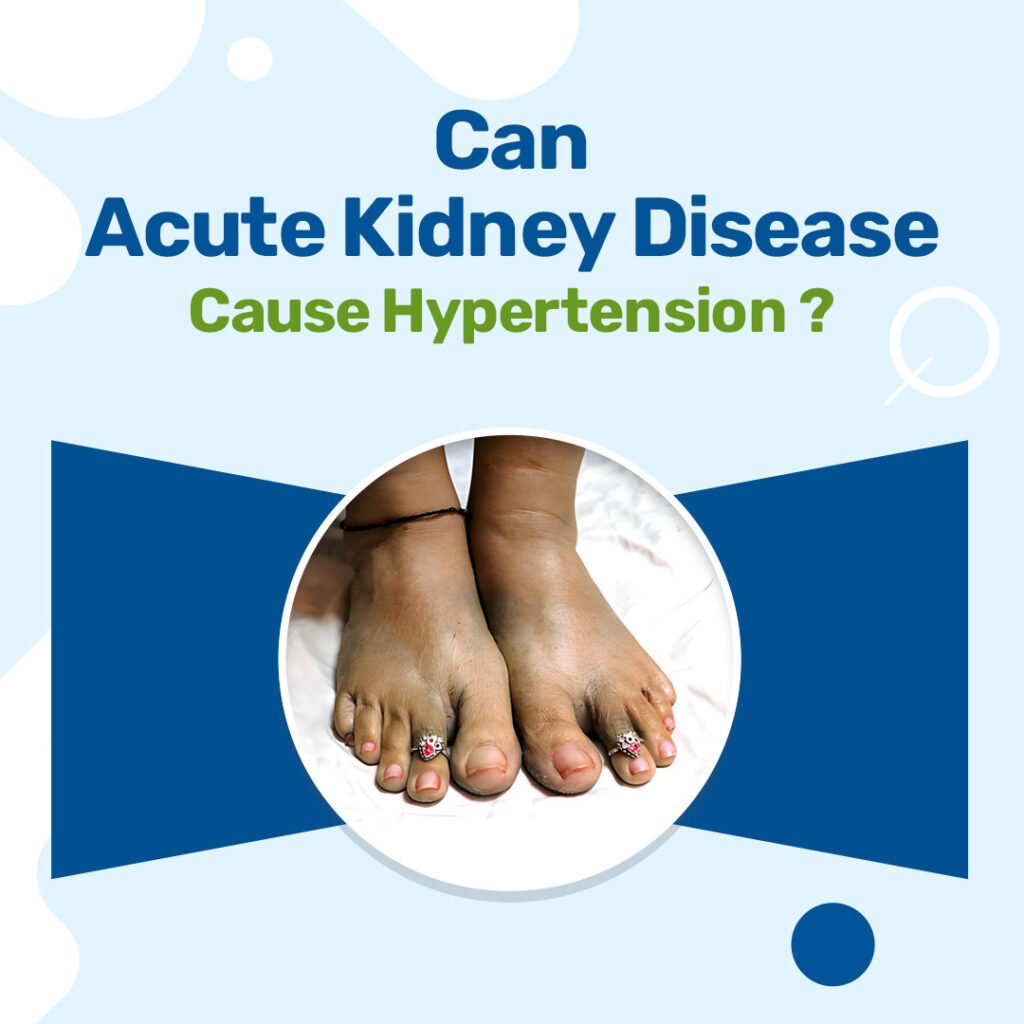
Yes, acute kidney injury can cause hypertension through fluid overload, sodium retention, and activation of hormonal systems that regulate blood pressure. The relationship between these two conditions is bidirectional and clinically significant.
Could Kidney Issues Lead to Hypertension?
Yes, kidney issues frequently lead to hypertension because the kidneys play a vital role in regulating blood pressure through multiple mechanisms. When kidney function becomes impaired, whether acutely or chronically, these regulatory systems can fail, leading to elevated blood pressure.
Research published in Wiadomości Lekarskie by Dylewska and colleagues found that hypertension is prevalent in approximately 70% of patients with acute kidney injury. The study revealed that the prevalence varies depending on the origin of AKI, with post-renal AKI showing the highest rate at 85%, followed by renal AKI at 75%, and pre-renal AKI at 30%.
The kidneys regulate blood pressure through several mechanisms including fluid balance, sodium regulation, and the renin-angiotensin-aldosterone system. When AKI occurs, the reduced ability to filter excess fluid and sodium leads to volume overload, which directly raises blood pressure. Additionally, damaged kidney tissue can trigger excessive renin secretion, activating hormonal pathways that constrict blood vessels and increase blood pressure.
Does Acute Kidney Injury Cause High Blood Pressure?
Yes, acute kidney injury does cause high blood pressure and is an independent risk factor for developing elevated blood pressure both during the acute phase and after recovery. A landmark study by Hsu and colleagues, published in the Clinical Journal of the American Society of Nephrology, demonstrated that AKI increases the risk of subsequent hypertension development even after hospital discharge.
This connection occurs through multiple pathophysiological mechanisms. During AKI, the kidneys lose their ability to effectively manage fluid and electrolyte balance. The accumulation of excess fluid in the bloodstream increases the volume of blood the heart must pump, thereby raising blood pressure. Furthermore, the impaired sodium excretion that accompanies AKI contributes to water retention and vascular resistance.
The renin-angiotensin system plays a particularly important role. When kidney tissue is injured, specialized cells release excessive amounts of renin, an enzyme that initiates a cascade leading to vasoconstriction and sodium retention. This mechanism explains why many AKI patients develop hypertension that persists even after the acute phase resolves.
Patients with AKI who develop hypertension face additional risks. According to the research by Dylewska, dialyzed AKI patients were older, had higher blood pressure readings, and required more antihypertensive medications compared to non-dialyzed patients. Uncontrolled hypertension, together with edema and pulmonary congestion, often becomes an indication for dialysis initiation.
Does Renal Trauma Cause Hypertension or Hypotension?
Renal trauma can cause both hypertension and hypotension depending on the timing and nature of the injury—immediate hypotension from hemorrhage is common, while delayed hypertension can develop months to years after the initial injury. In the immediate aftermath of severe renal trauma, hypotension from hemorrhage is common. However, a lesser-known complication is the development of delayed hypertension, which can occur months to years after the initial injury.
Post-traumatic renovascular hypertension is a rare but well-documented phenomenon. Research published in the Archives of Internal Medicine by Spark and Berg described three patients who developed severe hypertension following renal trauma. The trauma produced perinephric hematoma in two patients and renal artery thrombosis in one. Notably, renal vein plasma renin activity from the traumatized kidney was three to eight times greater than from the untraumatized kidney.
A case series by Meyrier and colleagues documented four patients who developed severe hypertension 2 to 32 years after sustaining blunt renal trauma. These cases highlight that a protracted period of normal blood pressure can separate the renal injury from hypertension onset. Angiography revealed traumatic dissection of renal artery branches leading to renal infarct, and high renin secretion was demonstrated in the affected kidneys.
According to research published in Urology, increasing renal trauma grade is a significant risk factor for future development of hypertension. CT findings at the time of trauma presentation may be useful in stratifying patients who are at higher risk for this complication. The study by Chedid and colleagues noted that renal trauma-induced hypertension is mostly seen in young men, is usually renin-dependent, and is associated with parenchymal injury.
What Are the Complications of Acute Kidney Injury?
Acute kidney injury carries numerous complications including immediate life-threatening issues like fluid overload and electrolyte imbalances, as well as long-term consequences such as chronic kidney disease, cardiovascular disease, recurrent AKI episodes, and increased mortality risk. Understanding these complications is essential for comprehensive patient management and follow-up care.
Immediate complications include fluid buildup in the lungs causing shortness of breath, hyperkalemia (high potassium levels) that can lead to dangerous heart rhythm abnormalities, metabolic acidosis, and uremia. These acute complications often require intensive medical management and sometimes dialysis.
Long-term complications are increasingly recognized as major concerns. Research published in Port J Nephrol Hypertens by Gameiro and colleagues documented that AKI is associated with recurrent AKI episodes in 25-30% of cases, hospital readmissions in up to 40% of patients, and significantly increased long-term mortality.
The progression to chronic kidney disease (CKD) is particularly concerning. Coca and colleagues reported that AKI increases the risk of CKD by 8-fold and the risk of end-stage kidney disease by 3-fold. Moreover, this risk is higher according to AKI severity, with severe AKI showing an 8-fold increased risk compared to mild AKI’s 2.3-fold increased risk.
Cardiovascular complications represent another major concern. According to The Lancet, long-term complications of AKI include cardiovascular morbidity and an increased risk of death. The development of hypertension after AKI is one potential mechanism connecting AKI with cardiovascular events in the months to years following hospital discharge.
What Is the Most Common Cause of Acute Kidney Injury?
Prerenal acute kidney injury resulting from decreased blood flow to the kidneys is the most common cause, accounting for approximately 60-70% of community-acquired AKI cases. Understanding these causes helps clinicians identify the underlying problem and implement appropriate treatment strategies.
Prerenal AKI results from conditions that reduce kidney blood flow. Common causes include dehydration, severe blood loss, heart failure, sepsis, and medications that reduce kidney blood flow such as NSAIDs and certain blood pressure medications.
Intrinsic renal AKI involves direct damage to kidney tissue. This category includes acute tubular necrosis (the most common intrinsic cause), which can result from prolonged prerenal conditions, nephrotoxic medications, contrast agents used in imaging studies, or conditions affecting the small blood vessels and filtering units of the kidneys.
Postrenal AKI occurs when urine flow is obstructed. This accounts for about 5-10% of AKI cases and can result from kidney stones, enlarged prostate, tumors, or blood clots blocking the urinary tract.
In hospitalized patients, multiple factors often contribute simultaneously. Critically ill patients face particularly high risk, with AKI complicating up to 50-60% of intensive care unit admissions. Common precipitating factors in these settings include sepsis, major surgery, nephrotoxic drug exposure, and hemodynamic instability.
Conclusion

The relationship between acute kidney injury and hypertension is complex and clinically significant. AKI can cause hypertension through multiple mechanisms including fluid overload, sodium retention, and activation of the renin-angiotensin system. This hypertension may develop during the acute phase or months to years later, particularly following renal trauma.
Given the serious long-term complications of AKI, including progression to chronic kidney disease and cardiovascular disease, specialized nephrology follow-up is essential. Early detection, proper management of hypertension, and strategies to prevent CKD progression can significantly improve patient outcomes.
If you or a loved one has experienced acute kidney injury, seeking expert nephrology care is crucial for optimal recovery and prevention of complications. Dr. Vishal Golay is a leading nephrologist in Siliguri with over 15 years of experience in diagnosing and treating kidney diseases. With a patient-centric approach and evidence-based practice, Dr. Golay offers comprehensive kidney care services including acute kidney injury treatment, hypertension-related kidney disorder management, hemodialysis support, and post-recovery follow-up. As one of the best nephrologists in Siliguri, Dr. Golay focuses on early detection, lifestyle guidance, and personalized treatment plans to improve patient outcomes and prevent long-term complications.

