How Does Acute Kidney Injury Cause Metabolic Acidosis

Acute kidney injury (AKI) causes metabolic acidosis because the kidneys lose their ability to remove excess acid from the body and regenerate bicarbonate, which normally keeps the blood’s pH balanced. When the kidneys are damaged suddenly, the body accumulates acids from daily metabolism and diet while losing its buffer system, leading to an acidic state in the blood.

How Does Acute Kidney Injury Cause Metabolic Acidosis

What Happens to Acid Removal in AKI?

The kidneys remove acid through two main processes: reabsorbing bicarbonate in the proximal tubule and creating new bicarbonate by generating ammonia and secreting hydrogen ions in the distal nephron. When AKI occurs, both mechanisms fail because the damaged kidney tissue stops working properly. The declining capacity to excrete fixed acids results in tubular metabolic acidosis, forcing the body to compensate through faster breathing to remove carbon dioxide.

How Does Reduced Ammonia Production Contribute?

Ammonia acts as the primary urinary buffer that helps remove acid from the body. In healthy kidneys, the proximal tubule cells produce ammonia to bind with hydrogen ions, allowing acid excretion in urine. During AKI, the damaged tubular cells produce less ammonia because of mitochondrial dysfunction and reduced metabolic capacity. Without adequate ammonia production, hydrogen ions accumulate in the blood, lowering the pH and creating metabolic acidosis.

What Role Does Bicarbonate Loss Play?

Bicarbonate serves as the body’s natural buffer against acids, and healthy kidneys reabsorb nearly all the filtered bicarbonate while generating new bicarbonate to replace what is consumed neutralizing daily acid production. AKI damages the proximal tubules where bicarbonate reabsorption occurs, leading to bicarbonate loss in the urine. Additionally, the injured kidneys fail to produce adequate new bicarbonate, resulting in depleted reserves that would normally neutralize metabolic acids. This combination of decreased reabsorption and inadequate regeneration causes bicarbonate levels to drop, allowing acids to accumulate unchecked.

How Do Metabolic Changes Worsen Acidosis?

AKI disrupts cellular metabolism in the kidney tubules, creating a cascade of problems that intensify metabolic acidosis. Low oxygen availability and mitochondrial dysfunction impede the electron transport chain, causing the accumulation of intermediate metabolites in the TCA cycle, including succinate, citrate, and fumarate. Research by Bugarski et al. demonstrated that metabolic acidosis increases proximal tubule glutamine uptake and ammonia production, requiring the oxidized form of nicotinamide adenine dinucleotide (NAD), and NAD depletion has been identified as a key step in the pathogenesis of AKI. Using intravital live cell imaging in a mouse model, researchers found acute changes in mitochondrial NAD redox state, respiratory chain function, and lipid metabolism, which led to proximal tubule cell damage.

Why Does the Body Produce More Acid During AKI?

Beyond the kidney’s inability to remove acid, AKI triggers increased acid production through tissue hypoxia and cellular injury. When kidney cells receive insufficient oxygen, they switch to anaerobic metabolism, producing lactic acid as a byproduct. The damaged kidney tissue also releases inflammatory mediators that further increase metabolic acid production throughout the body. Metabolic acidosis reduces renal blood flow in healthy individuals, and this reduction becomes more pronounced in AKI, creating a vicious cycle where poor blood flow worsens kidney injury and acid accumulation.

What Makes AKI-Related Acidosis Different?

The metabolic acidosis from AKI develops suddenly, unlike the gradual acidosis seen in chronic kidney disease. This rapid onset occurs because the acute loss of kidney function gives the body no time to activate compensatory mechanisms. The severity depends on the extent of kidney damage and the underlying cause of AKI, whether from reduced blood flow, direct toxins, or urinary obstruction. Studies show that metabolic acidosis in patients with underlying kidney disease increases the risk of subsequent AKI episodes by 57% to 65%, creating a dangerous pattern where acidosis and kidney injury reinforce each other.

What Are the Consequences of Untreated Acidosis?

Metabolic acidosis from AKI affects multiple body systems beyond just pH imbalance. The acidic environment accelerates muscle breakdown (sarcopenia), causes bone demineralization, and increases weakness as the body breaks down tissues to neutralize excess acid. Research published in the Journal of the American Society of Nephrology found that metabolic acidosis increases inflammatory markers like NF-κB, a key mediator of acute and chronic inflammation, suggesting additional pathways by which metabolic acidosis exacerbates kidney injury. The condition also promotes kidney fibrosis and slows recovery from AKI, increasing the risk of progressing to chronic kidney disease even if kidney function appears to recover initially.

Seeking Expert Care for Kidney Health

Understanding the connection between acute kidney injury and metabolic acidosis helps recognize the importance of early intervention and expert management. If you experience symptoms like unexplained fatigue, confusion, rapid breathing, or reduced urine output, these signs require immediate medical evaluation by a kidney specialist.

Dr. Vishal Golay

Dr. Vishal Golay, a Senior Consultant Nephrologist with over 15 years of experience, provides comprehensive diagnosis and treatment for acute kidney injury and its complications including metabolic acidosis. As one of the best nephrologists in Siliguri, Dr. Golay specializes in advanced kidney disease management, dialysis care, and hypertension-related kidney disorders. His expertise ensures timely intervention to prevent complications and preserve kidney function.

For consultation with Dr. Vishal Golay (MD, DNB, DM), contact 74309 23244 or email vishalgolay1980@gmail.com. Visit Remedy Clinics at Singalila Park, Fortune Plaza Apartments, Dagapur, Siliguri, West Bengal 734003, or Balaji Healthcare at P.C. Mittal Bus Terminus, 2nd Mile, Sevoke Road, Siliguri, West Bengal 734001.

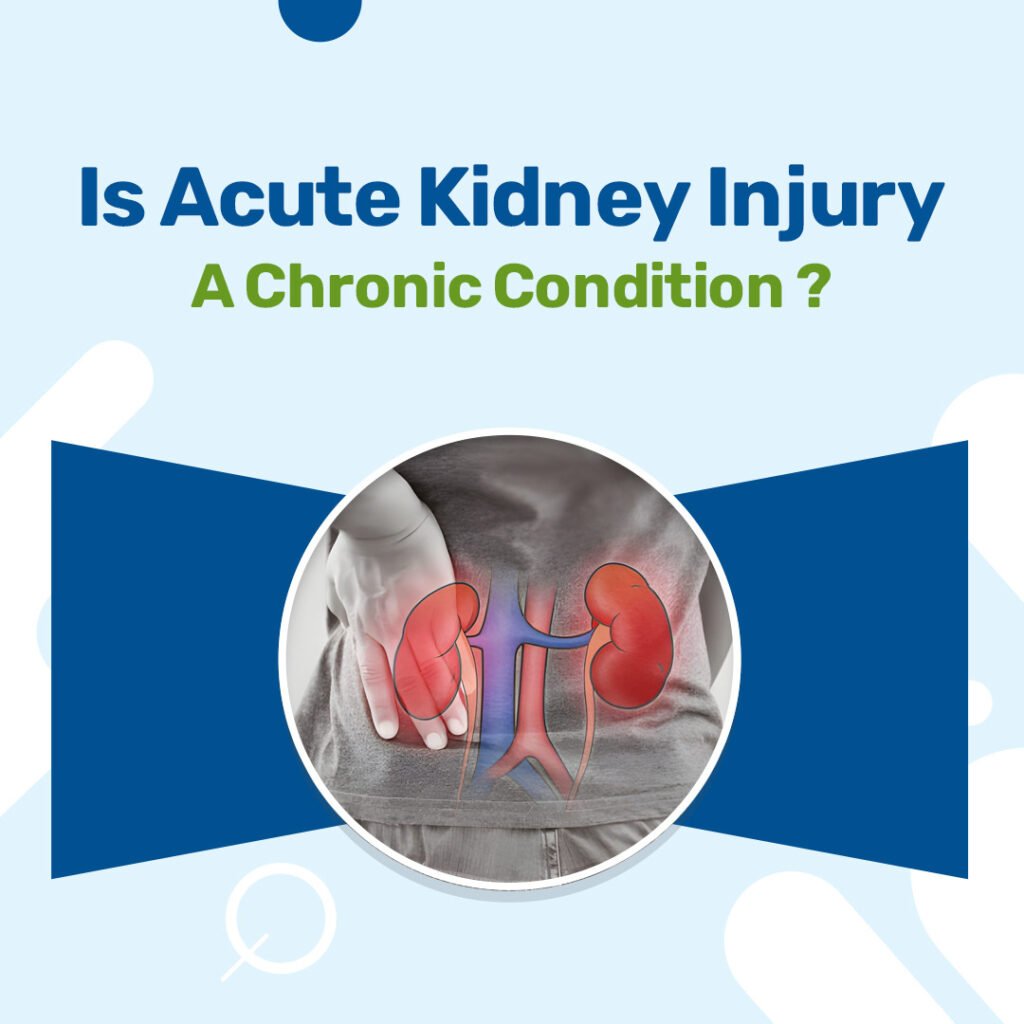
Is Acute Kidney Injury a Chronic Condition?

No, acute kidney injury is not a chronic condition by definition. AKI is characterized by sudden deterioration in kidney function that develops rapidly over hours to days, unlike chronic kidney disease which develops gradually over months to years. However, AKI can have long-term consequences and may lead to chronic kidney disease if kidney function doesn’t fully recover.

Is Acute Kidney Injury a Chronic Condition

How Long Is the Recovery from AKI?

Recovery from acute kidney injury varies significantly depending on the underlying cause and severity. Most patients with early-stage AKI improve with conservative management, but recovery patterns differ widely. According to medical literature, complete recovery (defined as improvement in eGFR to within 90% of baseline value) probably occurs in only a minority of patients, usually those with milder forms of AKI.

The recovery timeline follows specific patterns: patients who progress from AKI to acute kidney disease after 7 days of non-recovery may have partial or complete kidney function recovery over the subsequent 90 days. After 90 days, patients with persistent kidney dysfunction are considered to have chronic kidney disease, and those who remain dialysis dependent after 90 days are considered to have kidney failure. Achieving dialysis independence after 90 days is exceedingly rare.

Can AKI Be Reversed?

Yes, AKI can often be reversed, especially when diagnosed and treated early. According to medical experts, acute kidney injury means kidneys stop working suddenly but may be reversible if diagnosed and treated quickly. Most prerenal AKI cases recover completely with correction of the underlying insult if treated early. People in otherwise good health may get back typical or nearly typical kidney function.

However, reversibility depends on several factors including the underlying cause, severity, and duration of AKI. Studies report that the incidence of renal recovery can range from 0% to 90% considering all stages of AKI severity, but from 0% to 40% in cases requiring dialysis. Recovery is first dependent upon the restoration of renal blood flow, with early normalization predicting a better prognosis.

Is Acute Kidney Injury a Long-Term Condition?

While AKI itself is an acute condition, it can have significant long-term consequences. According to research, even after recovery from the acute phase, AKI is associated with increased risks of chronic kidney disease, cardiovascular events, and mortality over the long term. Studies demonstrate that AKI survivors have higher associated risk of death, rehospitalization, recurrent AKI, and CKD development.

Recovery PatternCKD Development RateLong-term Outcomes
Early Reversal21% develop CKD Best long-term prognosis
Recovery30% develop CKD Moderate risk
Non-recovery79% develop CKD Highest risk of complications

How Common Is Acute Kidney Injury?

Acute kidney injury is very common, particularly in hospitalized patients. The incidence of AKI among inpatients worldwide varies from 0.7% to 31%, with intensive care unit (ICU) patients exceeding 50%. According to epidemiological data, in community-acquired cases, the incidence is 8.3%, while hospital-acquired AKI has an incidence of 20.9%.

Globally, there are an estimated 13.3 million cases of acute kidney injury annually. The incidence rates of AKI in hospitalized patients vary between 14.7-31.5% depending on the healthcare setting. In critical care settings, the prevalence can be even higher, with some studies reporting rates exceeding 50% in ICU patients.

Is Acute Kidney Injury Permanent?

Acute kidney injury is not necessarily permanent, but outcomes vary considerably. According to studies, approximately 10-30% of AKI survivors may still need dialysis after hospital discharge, and these patients have higher risks of poor long-term outcomes. However, many patients do recover kidney function, particularly those with prerenal causes treated promptly.

Research shows that among patients with AKI requiring dialysis (AKI-D), more than one-quarter died after 1.2 years of follow-up, 16.7% developed end-stage kidney disease (ESKD), and nearly half returned to their initial CKD stage after acute kidney disease. The permanence largely depends on the underlying cause, severity, patient age, and baseline kidney function.

Can Acute Kidney Injury Cause Chronic Kidney Disease?

Yes, acute kidney injury can definitely cause chronic kidney disease. Studies consistently show that AKI is a significant risk factor for CKD development, with 20-50% of AKI patients developing progressive CKD and 3-15% reaching end-stage kidney disease. According to research, even patients who recover from AKI within 48 hours have an increased relative risk of CKD progression that increases with AKI severity.

The mechanism involves maladaptive repair processes, where older age, lower baseline kidney function, longer duration of AKI, and higher severity of AKI contribute to incomplete healing. Patients who did not recover renal function after AKI had a significantly higher risk of CKD and ESKD (HR = 4.13, 95% CI 3.38–5.04) compared to those who recovered.

What Is the Most Common Cause of Acute Kidney Injury?

The causes of acute kidney injury are classified into three main categories: prerenal, intrinsic (intrarenal), and postrenal. Prerenal causes are the most common, accounting for approximately 60-70% of AKI cases. These result from decreased blood flow to the kidneys due to conditions such as dehydration, blood loss, heart failure, or severe infections leading to shock.

In hospitalized patients, the predominant etiologies include sepsis (22.4%), trauma due to road traffic accidents (21.18%), acute abdomen conditions (18.64%), and cardiac diseases (10.59%). Intrinsic causes include acute tubular necrosis, glomerulonephritis, and acute interstitial nephritis, while postrenal causes involve urinary tract obstruction from conditions like benign prostatic hyperplasia or kidney stones.

Difference Between Acute Kidney Injury and Chronic Kidney Disease?

AspectAcute Kidney Injury (AKI)Chronic Kidney Disease (CKD)
OnsetSudden (hours to days) Gradual (months to years) 
ReversibilityUsually reversible Not usually reversible 
SymptomsCome on quickly, can be severe May not appear until severely damaged 
CausesInjury, illness, medication Chronic conditions (diabetes, hypertension) 
TreatmentTreat underlying cause Manage underlying condition, dialysis/transplant 
PrognosisRecovery possible with prompt treatment Progressive condition requiring management 
Kidney SizeNormal kidney size Often smaller than normal in advanced stages 
Dr. Vishal Golay

What Are the Treatment Options for Acute Kidney Injury in Siliguri?

In Siliguri, Dr. Vishal Golay’s comprehensive nephrology practice at Remedy Clinics and Balaji Healthcare in Siliguri provides specialized acute kidney injury management utilizing his 15+ years of clinical expertise, offering rapid diagnosis, personalized treatment protocols, advanced interventional nephrology procedures, and coordinated care plans that focus on both immediate kidney function recovery and long-term outcomes to prevent progression to chronic kidney disease.

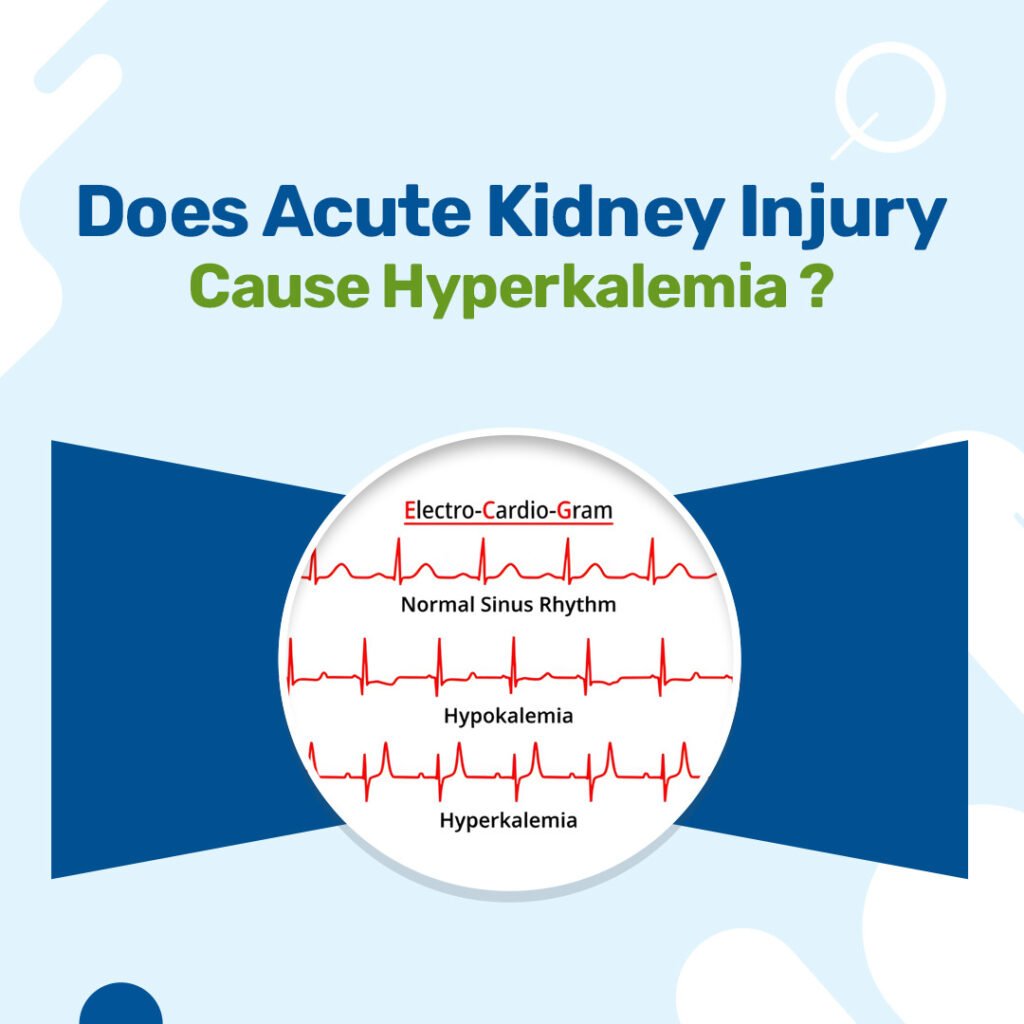
Does Acute Kidney Injury Cause Hyperkalemia

Yes, acute kidney injury commonly causes hyperkalemia and is considered one of the most serious electrolyte complications of AKI. Hyperkalemia occurs in AKI because the damaged kidneys lose their ability to adequately excrete potassium, leading to dangerous accumulation in the blood. According to medical literature, hyperkalemia is one of the major electrolyte disturbances in patients with acute kidney injury and severe hyperkalemia (serum K+ of at least 6.5 mmol/L) is particularly dangerous.

Does Acute Kidney Injury Cause Hyperkalemia

What Is the Most Common Electrolyte Imbalance in Acute Kidney Injury?

Hyperkalemia is the most common and dangerous electrolyte imbalance in acute kidney injury. In all cases of AKI, the most serious electrolyte disorders are hyperkalemia and fluid overload, which can potentially cause pulmonary edema. According to research, hyperkalemia is the most common electrolyte disturbance observed in patients with kidney disease, particularly in those with diabetes and heart failure or those on treatment with renin-angiotensin-aldosterone system inhibitors.

Other common electrolyte abnormalities in AKI include metabolic acidosis, hypocalcemia, and hyperphosphatemia. The most common complications related to electrolyte disturbances are hyperkalemia, hypernatremia, hypermagnesemia, and hypocalcemia. However, hyperkalemia remains the most clinically significant due to its potential for life-threatening cardiac arrhythmias.

Which Kidney Disease Causes Hyperkalemia?

Both acute kidney injury and chronic kidney disease can cause hyperkalemia, but the mechanisms and prevalence differ. Hyperkalemia is a frequent metabolic alteration in CKD patients that increases in the presence of drugs with beneficial cardio-renal properties. In chronic kidney disease, hyperkalemia prevalence increases with declining kidney function, affecting up to 50% of patients with advanced CKD.

Kidney Disease TypeHyperkalemia PrevalenceRisk Factors
Acute Kidney InjuryVery common in severe cases Reduced GFR, decreased urine output 
Chronic Kidney Disease15-50% depending on stage RAAS inhibitors, diabetes, heart failure 
End-Stage Renal DiseaseUp to 80% Dialysis timing, dietary factors 

Does AKI Cause Hypercalcemia?

AKI typically causes hypocalcemia initially, not hypercalcemia. According to medical literature, hypocalcemia occurs in AKI because the impaired kidney no longer produces calcitriol (reducing calcium absorption from the gastrointestinal tract) and because hyperphosphatemia causes calcium phosphate precipitation in tissues. However, during the recovery phase of AKI, hypercalcemia can occur due to mobilization of calcium phosphate deposits, affecting up to one-third of patients.

The relationship between calcium and AKI is complex: both very high and very low serum ionized calcium levels are associated with increased risk of developing AKI in hospitalized patients, showing a U-shaped curve relationship. Severe hypercalcemia can actually cause AKI through mechanisms such as volume depletion from polyuria and direct alterations of renal vascular tone.

Why Do Some AKI Patients Develop Hyperkalemia While Others Don’t?

The development of hyperkalemia in AKI patients depends on several factors including the severity of kidney dysfunction, underlying causes, and individual patient characteristics. Hyperkalemia occurs when renal potassium excretion is limited by reductions in glomerular filtration rate, tubular flow, and distal sodium delivery. The normal physiological response to volume depletion drives upregulation of aldosterone synthesis, so reductions in these parameters are normally offset by increases in aldosterone activity.

Hyperkalemia ensues when this compensatory response is prevented, for example by renin-angiotensin system inhibitors or mineralocorticoid receptor blockers. Additional factors influencing hyperkalemia development include:

  • Severity of AKI: More severe kidney injury with greater GFR reduction leads to higher hyperkalemia risk
  • Underlying cause: Rhabdomyolysis and tumor lysis syndrome cause massive potassium release from cells
  • Medications: ACE inhibitors, ARBs, and potassium-sparing diuretics increase risk
  • Comorbidities: Diabetes, heart failure, and acidosis predispose to hyperkalemia
  • Patient factors: Age, baseline kidney function, and body weight affect susceptibility

What Is the Most Common Cause of Acute Kidney Injury?

Prerenal causes are the most common etiology of acute kidney injury, accounting for approximately 60-70% of cases. Prerenal AKI results from functional adaptation to hypoperfusion of functionally normal kidneys. The most common prerenal causes include hypovolemia secondary to excess fluid losses, diuretic use, or hemorrhage, impaired cardiac function leading to decreased effective circulating volume, and systemic vasodilation from sepsis, anaphylaxis, or anesthesia administration.

According to medical literature, prolonged renal ischemia, sepsis, and nephrotoxins are the most common overall causes of AKI. In hospitalized patients, the predominant etiologies include sepsis (22.4%), trauma due to road traffic accidents (21.18%), acute abdomen conditions (18.64%), and cardiac diseases (10.59%). Intrinsic causes, particularly acute tubular necrosis, represent the second most common category, while postrenal causes from obstruction are least common.

How Can You Treat Hyperkalemia from AKI in Siliguri?

In Siliguri, comprehensive hyperkalemia treatment from AKI is available at several specialized nephrology centers. 

Treatment approaches for hyperkalemia in AKI include immediate cardiac stabilization with calcium therapy, shifting potassium into cells using insulin-glucose or sodium bicarbonate, and removing potassium from the body through dialysis or potassium-binding resins. 

Dr. Vishal Golay

Dr. Vishal Golay runs a comprehensive nephrology practice at Remedy Clinics and Balaji Healthcare in Siliguri. The practice specializes in managing acute kidney injury and associated hyperkalemia. He brings more than 15 years of clinical expertise to his work.

The team utilizes advanced diagnostic approaches and personalized treatment protocols, including emergency dialysis services and continuous renal replacement therapy for critical cases. Their coordinated care plans focus on both immediate stabilization of dangerous electrolyte imbalances and long-term kidney function recovery.

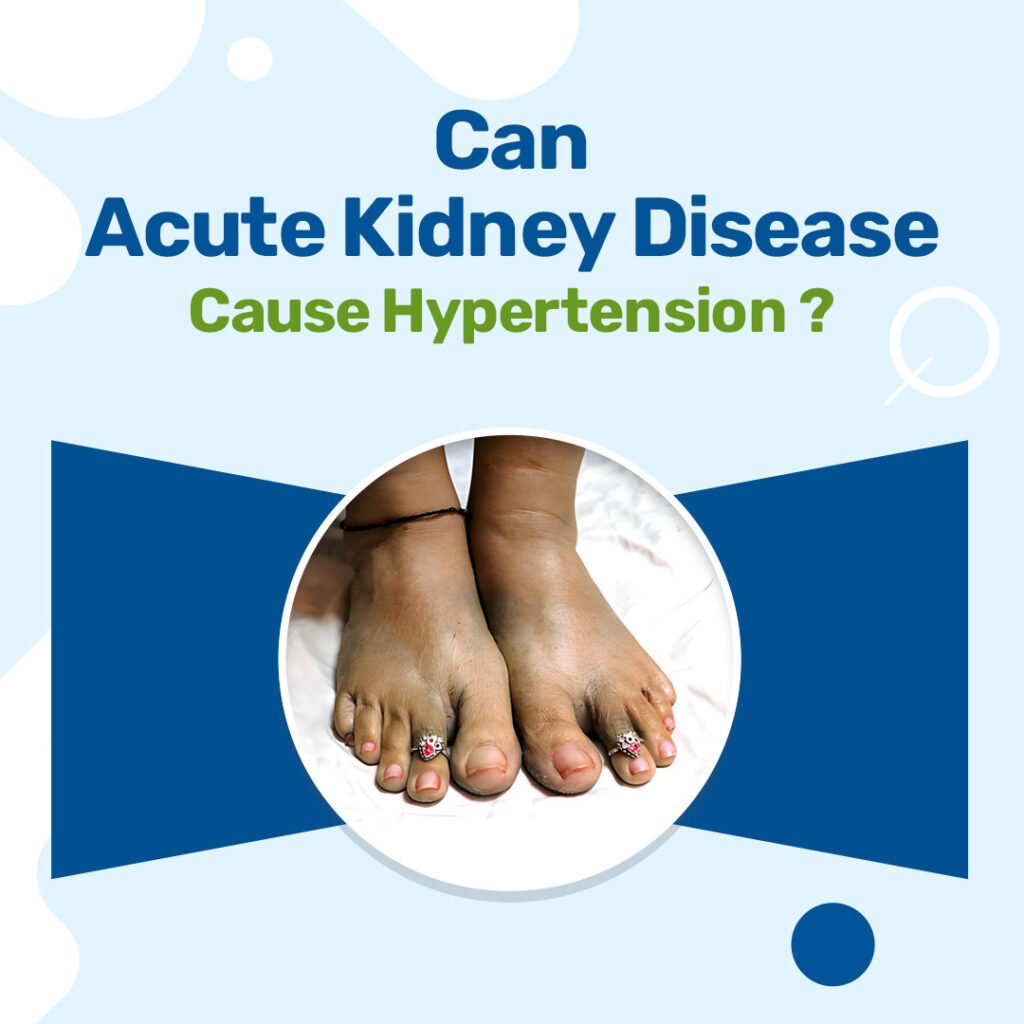
Can Acute Kidney Injury Cause Hypertension?

Yes, acute kidney injury can cause hypertension through fluid overload, sodium retention, and activation of hormonal systems that regulate blood pressure. The relationship between these two conditions is bidirectional and clinically significant.​

Can Acute Kidney Injury Cause Hypertension

Could Kidney Issues Lead to Hypertension?

Yes, kidney issues frequently lead to hypertension because the kidneys play a vital role in regulating blood pressure through multiple mechanisms. When kidney function becomes impaired, whether acutely or chronically, these regulatory systems can fail, leading to elevated blood pressure.​

Research published in Wiadomości Lekarskie by Dylewska and colleagues found that hypertension is prevalent in approximately 70% of patients with acute kidney injury. The study revealed that the prevalence varies depending on the origin of AKI, with post-renal AKI showing the highest rate at 85%, followed by renal AKI at 75%, and pre-renal AKI at 30%.​

The kidneys regulate blood pressure through several mechanisms including fluid balance, sodium regulation, and the renin-angiotensin-aldosterone system. When AKI occurs, the reduced ability to filter excess fluid and sodium leads to volume overload, which directly raises blood pressure. Additionally, damaged kidney tissue can trigger excessive renin secretion, activating hormonal pathways that constrict blood vessels and increase blood pressure.​

Does Acute Kidney Injury Cause High Blood Pressure?

Yes, acute kidney injury does cause high blood pressure and is an independent risk factor for developing elevated blood pressure both during the acute phase and after recovery. A landmark study by Hsu and colleagues, published in the Clinical Journal of the American Society of Nephrology, demonstrated that AKI increases the risk of subsequent hypertension development even after hospital discharge.​

This connection occurs through multiple pathophysiological mechanisms. During AKI, the kidneys lose their ability to effectively manage fluid and electrolyte balance. The accumulation of excess fluid in the bloodstream increases the volume of blood the heart must pump, thereby raising blood pressure. Furthermore, the impaired sodium excretion that accompanies AKI contributes to water retention and vascular resistance.​

The renin-angiotensin system plays a particularly important role. When kidney tissue is injured, specialized cells release excessive amounts of renin, an enzyme that initiates a cascade leading to vasoconstriction and sodium retention. This mechanism explains why many AKI patients develop hypertension that persists even after the acute phase resolves.​

Patients with AKI who develop hypertension face additional risks. According to the research by Dylewska, dialyzed AKI patients were older, had higher blood pressure readings, and required more antihypertensive medications compared to non-dialyzed patients. Uncontrolled hypertension, together with edema and pulmonary congestion, often becomes an indication for dialysis initiation.​

Does Renal Trauma Cause Hypertension or Hypotension?

Renal trauma can cause both hypertension and hypotension depending on the timing and nature of the injury—immediate hypotension from hemorrhage is common, while delayed hypertension can develop months to years after the initial injury. In the immediate aftermath of severe renal trauma, hypotension from hemorrhage is common. However, a lesser-known complication is the development of delayed hypertension, which can occur months to years after the initial injury.​

Post-traumatic renovascular hypertension is a rare but well-documented phenomenon. Research published in the Archives of Internal Medicine by Spark and Berg described three patients who developed severe hypertension following renal trauma. The trauma produced perinephric hematoma in two patients and renal artery thrombosis in one. Notably, renal vein plasma renin activity from the traumatized kidney was three to eight times greater than from the untraumatized kidney.​

A case series by Meyrier and colleagues documented four patients who developed severe hypertension 2 to 32 years after sustaining blunt renal trauma. These cases highlight that a protracted period of normal blood pressure can separate the renal injury from hypertension onset. Angiography revealed traumatic dissection of renal artery branches leading to renal infarct, and high renin secretion was demonstrated in the affected kidneys.​

According to research published in Urology, increasing renal trauma grade is a significant risk factor for future development of hypertension. CT findings at the time of trauma presentation may be useful in stratifying patients who are at higher risk for this complication. The study by Chedid and colleagues noted that renal trauma-induced hypertension is mostly seen in young men, is usually renin-dependent, and is associated with parenchymal injury.​

What Are the Complications of Acute Kidney Injury?

Acute kidney injury carries numerous complications including immediate life-threatening issues like fluid overload and electrolyte imbalances, as well as long-term consequences such as chronic kidney disease, cardiovascular disease, recurrent AKI episodes, and increased mortality risk. Understanding these complications is essential for comprehensive patient management and follow-up care.​

Immediate complications include fluid buildup in the lungs causing shortness of breath, hyperkalemia (high potassium levels) that can lead to dangerous heart rhythm abnormalities, metabolic acidosis, and uremia. These acute complications often require intensive medical management and sometimes dialysis.​

Long-term complications are increasingly recognized as major concerns. Research published in Port J Nephrol Hypertens by Gameiro and colleagues documented that AKI is associated with recurrent AKI episodes in 25-30% of cases, hospital readmissions in up to 40% of patients, and significantly increased long-term mortality.​

The progression to chronic kidney disease (CKD) is particularly concerning. Coca and colleagues reported that AKI increases the risk of CKD by 8-fold and the risk of end-stage kidney disease by 3-fold. Moreover, this risk is higher according to AKI severity, with severe AKI showing an 8-fold increased risk compared to mild AKI’s 2.3-fold increased risk.​

Cardiovascular complications represent another major concern. According to The Lancet, long-term complications of AKI include cardiovascular morbidity and an increased risk of death. The development of hypertension after AKI is one potential mechanism connecting AKI with cardiovascular events in the months to years following hospital discharge.​

What Is the Most Common Cause of Acute Kidney Injury?

Prerenal acute kidney injury resulting from decreased blood flow to the kidneys is the most common cause, accounting for approximately 60-70% of community-acquired AKI cases. Understanding these causes helps clinicians identify the underlying problem and implement appropriate treatment strategies.​

Prerenal AKI results from conditions that reduce kidney blood flow. Common causes include dehydration, severe blood loss, heart failure, sepsis, and medications that reduce kidney blood flow such as NSAIDs and certain blood pressure medications.​

Intrinsic renal AKI involves direct damage to kidney tissue. This category includes acute tubular necrosis (the most common intrinsic cause), which can result from prolonged prerenal conditions, nephrotoxic medications, contrast agents used in imaging studies, or conditions affecting the small blood vessels and filtering units of the kidneys.​

Postrenal AKI occurs when urine flow is obstructed. This accounts for about 5-10% of AKI cases and can result from kidney stones, enlarged prostate, tumors, or blood clots blocking the urinary tract.​

In hospitalized patients, multiple factors often contribute simultaneously. Critically ill patients face particularly high risk, with AKI complicating up to 50-60% of intensive care unit admissions. Common precipitating factors in these settings include sepsis, major surgery, nephrotoxic drug exposure, and hemodynamic instability.​

Conclusion

Dr. Vishal Golay

The relationship between acute kidney injury and hypertension is complex and clinically significant. AKI can cause hypertension through multiple mechanisms including fluid overload, sodium retention, and activation of the renin-angiotensin system. This hypertension may develop during the acute phase or months to years later, particularly following renal trauma.​

Given the serious long-term complications of AKI, including progression to chronic kidney disease and cardiovascular disease, specialized nephrology follow-up is essential. Early detection, proper management of hypertension, and strategies to prevent CKD progression can significantly improve patient outcomes.​

If you or a loved one has experienced acute kidney injury, seeking expert nephrology care is crucial for optimal recovery and prevention of complications. Dr. Vishal Golay is a leading nephrologist in Siliguri with over 15 years of experience in diagnosing and treating kidney diseases. With a patient-centric approach and evidence-based practice, Dr. Golay offers comprehensive kidney care services including acute kidney injury treatment, hypertension-related kidney disorder management, hemodialysis support, and post-recovery follow-up. As one of the best nephrologists in Siliguri, Dr. Golay focuses on early detection, lifestyle guidance, and personalized treatment plans to improve patient outcomes and prevent long-term complications.

Can Acute Kidney Disease Be Cured?

Yes, acute kidney injury can often be cured or reversed with prompt treatment, and many patients recover full kidney function, though the recovery timeline and extent vary based on the cause and severity of injury.​

Can Acute Kidney Disease Be Cured

What is Acute Kidney Injury Recovery?

Acute kidney injury is fundamentally different from chronic kidney disease in one critical aspect—reversibility. Unlike chronic kidney disease, which involves permanent, progressive damage, AKI represents a sudden decline in kidney function that can often be reversed when the underlying cause is identified and treated promptly.​

Treatment for acute kidney injury most often means a hospital stay, and how long patients stay depends on the reason for their acute kidney injury and how quickly their kidneys recover. The key to successful treatment lies in finding and addressing the illness or injury that damaged the kidneys.​

Research published in various medical journals indicates that with proper medical care, many patients recover normal kidney function. However, the prognosis varies depending on the severity of kidney damage and the promptness of treatment. Some patients may develop chronic kidney disease as a complication, which is why early intervention is crucial.​

What Does Treatment for Acute Kidney Injury Involve?

Treatment for AKI is primarily supportive in nature and focuses on treating the underlying cause while preventing complications. The current approach involves managing the condition while giving the kidneys time to heal naturally.​

Identifying and treating the underlying cause is the first priority. This might involve stopping medications that are damaging the kidneys, treating infections with antibiotics, removing urinary blockages, or managing conditions like heart failure or liver disease.​

Fluid and electrolyte management forms a cornerstone of AKI treatment. If dehydration caused the kidney injury, patients may need intravenous fluids to restore blood flow to the kidneys. Conversely, if AKI causes fluid accumulation leading to swelling in the arms and legs, diuretics may be prescribed to help the body eliminate extra fluids.​

Electrolyte balance requires careful monitoring and correction. The kidneys might not filter potassium adequately, so medicines called potassium binders may be necessary to prevent dangerous buildups that can cause irregular heartbeats and muscle weakness. Similarly, if calcium levels drop too low, calcium infusions may be required.​

Dialysis may be necessary in severe cases. When waste products build up in the blood to dangerous levels, hemodialysis can remove toxins and excess fluids while the kidneys heal. According to the National Kidney Foundation, in most cases, dialysis treatments are only temporary until the kidneys can recover. Dialysis is considered when symptoms like severe electrolyte imbalances, uremia, or fluid overload pose life-threatening risks.​

Medication adjustments are essential during AKI treatment. Nephrologists carefully review all medications to avoid further kidney damage, discontinuing or replacing drugs that are toxic to the kidneys such as NSAIDs and certain antibiotics. Blood pressure medications, infection treatments, and therapies for complications like metabolic acidosis are prescribed as needed.​

Can All Patients with AKI Recover Completely?

While many patients with AKI achieve complete recovery, outcomes vary significantly. The prognosis depends on several factors including the severity and underlying cause of the kidney injury, the patient’s overall health, and how quickly treatment begins.​

According to research, with prompt treatment, many patients recover fully. However, even after treatment, some people may not fully recover kidney function. AKI can increase the risk for chronic kidney disease or make existing CKD worse.​

The American Kidney Fund reports that after having AKI, patients have a higher risk for other health problems such as chronic kidney disease, heart disease, or stroke, and are also at higher risk of getting AKI again in the future. This makes regular follow-up visits with healthcare professionals essential, starting ideally within three months of finishing treatment.​

Studies show that the severity of AKI significantly impacts recovery potential. Patients with mild AKI who receive prompt treatment have excellent chances of complete recovery, while those with severe AKI requiring prolonged dialysis may face a higher risk of residual kidney impairment.​

What Factors Influence Recovery from AKI?

Several key factors determine whether a patient will achieve complete recovery from acute kidney injury.​

Timeliness of diagnosis and treatment is perhaps the most critical factor. Early recognition of AKI symptoms and immediate medical intervention significantly improve outcomes. Delays in treatment can lead to more extensive kidney damage and reduce the likelihood of full recovery.​

Underlying cause and reversibility play a crucial role. Prerenal AKI caused by dehydration or temporary reduction in blood flow typically has better recovery rates compared to intrinsic renal AKI involving direct kidney tissue damage. Postrenal AKI from urinary obstruction often resolves completely once the blockage is removed.​

Severity of kidney damage impacts recovery potential. Mild AKI with modest elevations in creatinine levels generally has better prognosis than severe AKI requiring dialysis. The duration of kidney dysfunction also matters—prolonged AKI increases the risk of permanent damage.​

Patient’s overall health status influences recovery. Patients with pre-existing chronic conditions like diabetes, hypertension, or heart disease may face more challenging recovery paths. Age and nutritional status also affect healing capacity.​

Prevention of complications during the acute phase is essential. Effective management of fluid balance, electrolyte disturbances, and metabolic acidosis while the kidneys heal can prevent secondary damage.​

How Long Does Recovery from AKI Take?

The recovery timeline for acute kidney injury varies considerably among patients. How long patients stay in the hospital depends on the reason for their acute kidney injury and how quickly their kidneys recover.​

For mild cases of AKI treated promptly, kidney function may begin improving within days to weeks. Patients with prerenal AKI often show rapid improvement once adequate hydration and blood flow are restored. However, more severe cases, particularly those involving direct kidney tissue damage, may require weeks to months for recovery.​

During recovery, kidney function is monitored through regular blood tests measuring creatinine and blood urea nitrogen levels. Urine output is also tracked as an indicator of improving kidney function. In cases requiring dialysis, the need for renal replacement therapy gradually decreases as native kidney function returns.​

Even after hospital discharge, continued monitoring is essential. The National Kidney Foundation recommends regular follow-up visits to check kidney health, ideally starting within three months of completing AKI treatment. These appointments help detect any developing complications early and adjust treatment plans as needed.​

What Can Patients Do to Support Recovery?

Patient participation in recovery is crucial for optimal outcomes. Following medical advice and making appropriate lifestyle modifications can significantly enhance healing.​

Dietary modifications support kidney recovery. Doctors may refer patients to a registered dietitian who can develop a kidney-friendly eating plan. This typically involves managing protein intake, limiting sodium, controlling potassium and phosphorus levels, and ensuring adequate calorie consumption.​

Hydration management requires careful attention. While staying hydrated is generally important for kidney health, patients recovering from AKI need individualized guidance based on their specific situation. Some may need increased fluid intake, while others with fluid retention may need restrictions.​

Medication compliance is essential. Patients must take prescribed medications as directed and avoid nephrotoxic drugs without consulting healthcare providers. Over-the-counter medications like NSAIDs should be avoided or used only under medical supervision.​

Managing chronic conditions helps prevent recurrent AKI. Controlling blood pressure, managing diabetes, and treating any underlying conditions reduces the risk of future kidney injury. Regular check-ups with healthcare providers allow for monitoring and adjustments to treatment plans.​

Lifestyle modifications promote overall health and kidney function. This includes maintaining a balanced diet, engaging in appropriate physical activity as recommended by healthcare providers, avoiding smoking, and limiting alcohol consumption.​

Can AKI Be Prevented?

While it can be challenging to predict or prevent all cases of acute kidney injury, certain measures can reduce risk. A healthy lifestyle and taking good care of the kidneys can help protect against AKI.​

Staying hydrated is one of the most effective preventive measures, particularly during illness, hot weather, or increased physical activity. Adequate hydration helps maintain blood flow to the kidneys and supports their filtering function.​

Avoiding nephrotoxic medications when possible protects kidney health. Patients should inform all healthcare providers about their kidney function and ask about the kidney safety of prescribed medications. Those with risk factors for AKI should be especially cautious with NSAIDs, certain antibiotics, and contrast dyes used in imaging studies.​

Managing chronic conditions effectively reduces AKI risk. Controlling high blood pressure and diabetes through medication, diet, and lifestyle modifications protects kidney function. Regular monitoring of these conditions allows for early intervention if problems develop.​

Seeking prompt medical attention for infections, urinary problems, or other health concerns can prevent conditions from progressing to AKI. Early treatment of infections, prompt relief of urinary obstructions, and timely management of dehydration can protect the kidneys.​

Regular kidney function monitoring for high-risk individuals enables early detection of problems. Those with diabetes, hypertension, heart disease, or previous episodes of AKI should have their kidney function checked regularly.​

Can Kidney Disease Cause Hand Tremors?

Kidney disease causes hand tremors. Involuntary movements like tremor, myoclonus, and asterixis occur with chronic kidney disease (CKD) and renal dysfunction. End-stage renal disease presents with various nonspecific signs. Azotemia and electrolyte abnormalities contribute to movement disorders. Asterixis, or “flapping tremor,” frequently arises from toxic metabolic encephalopathy due to renal or hepatic disorders. Kidney failure results in tremor and muscle and nerve damage.

Does Acute Kidney Disease Go Away?

Acute kidney injury (AKI) goes away for most people. Kidney damage reverses with prompt treatment of acute kidney failure. Treatment includes identifying the cause and preventing further damage. Most people with AKI make a full recovery. Early treatment prevents lasting kidney damage. Untreated, severe AKI proves fatal. A small number of patients develop chronic kidney disease or long-term kidney failure.

How Can Acute Kidney Injury Be Prevented?

Acute kidney injury (AKI) prevention includes maintaining hydration and managing chronic health conditions. Patients maintain adequate mean arterial pressure above $65 \text{ mmHg}$ and avoid fluid overload. Prevention involves treating bad infections quickly. People avoid nephrotoxic drugs when possible. Strategies include monitoring serum drug levels and renal function. Increasing fluid intake during a fever or on hot days helps prevent AKI.

Conclusion

Dr. Vishal Golay

Acute kidney injury can often be cured or reversed with prompt, appropriate treatment, though recovery outcomes vary based on the severity of injury, underlying cause, and timeliness of intervention. Unlike chronic kidney disease, AKI represents a potentially reversible condition when the kidneys are given time to heal while receiving proper supportive care.​

The key to successful recovery lies in early recognition of symptoms, immediate medical attention, identification and treatment of the underlying cause, and comprehensive supportive care. While many patients achieve complete recovery of kidney function, some may develop chronic kidney disease or remain at increased risk for future kidney problems, making long-term follow-up essential.​

If you or a loved one is dealing with acute kidney injury or has risk factors for kidney disease, expert nephrology care is crucial for optimal outcomes. Dr. Vishal Golay is a leading nephrologist in Siliguri with over 15 years of experience in diagnosing and treating kidney diseases. With a patient-centric approach and evidence-based practice, Dr. Golay offers comprehensive kidney care services including acute kidney injury treatment, dialysis support, chronic kidney disease management, and personalized follow-up care to prevent complications.