 7430923244


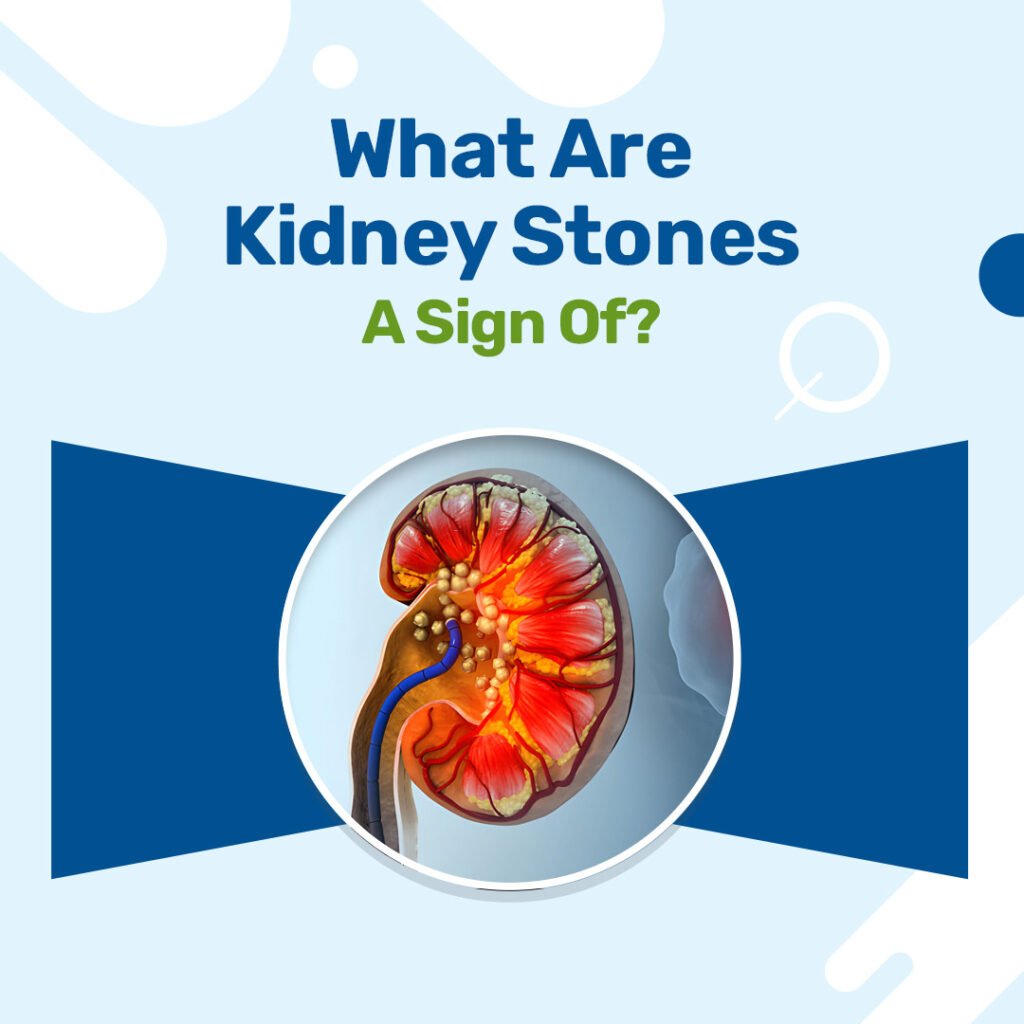
Kidney stones are a sign that your urine contains high levels of stone-forming substances like calcium, oxalate, or uric acid, and these substances are crystallizing instead of dissolving and passing out of the body. In most cases, kidney stones signal dietary imbalances, dehydration, or underlying medical conditions that affect how your body processes minerals and fluids.
Do Kidney Stones Indicate Dehydration?
Kidney stones serve as a direct indicator that you are not drinking enough fluids throughout the day. Inadequate fluid intake reduces urine volume, creating concentrated urine where minerals crystallize more easily. The most common cause of urinary stone disease is inadequate hydration and low urine volume, which allows calcium, oxalate, and uric acid to reach supersaturation levels where they form solid crystals. When your body receives sufficient water, your kidneys produce dilute urine that keeps these minerals dissolved and prevents stone formation.
What Medical Conditions Do Kidney Stones Signal?
Kidney stones signal various underlying medical conditions that disrupt normal mineral metabolism and urine composition. Hyperparathyroidism, where overactive parathyroid glands cause excessive calcium release into the bloodstream, leads to high urinary calcium levels and calcium phosphate stones.
Gout indicates elevated uric acid levels in the body, and this excess uric acid gets excreted through the kidneys, forming uric acid stones especially when urine becomes overly acidic. Renal tubular acidosis, a condition where the kidneys fail to properly regulate blood acid levels, creates an environment that promotes calcium phosphate stone formation. Cystinuria, a rare genetic condition, causes the kidneys to leak excessive amounts of the amino acid cystine into the urine, leading to cystine stone formation.
Are Kidney Stones Related to Digestive Problems?
Kidney stones indicate digestive system disorders that alter how your body absorbs calcium, water, and other nutrients. Inflammatory bowel diseases like Crohn’s disease, chronic diarrhea states, and gastric bypass surgery change the digestive process in ways that increase stone-forming substances in urine. These conditions cause chronic malabsorption where your intestines absorb more oxalate from food while losing calcium and fluids, creating the perfect chemical environment for calcium oxalate stones. Research published in StatPearls demonstrates that patients who have undergone Roux-en-Y gastric bypass surgery face particularly high risk because the surgery alters intestinal absorption patterns.
Do Kidney Stones Mean You Have Diabetes?
Kidney stones serve as a warning sign for diabetes and metabolic syndrome. Patients with nephrolithiasis and diabetes have lower average urinary pH levels and greater urinary oxalate than stone formers without diabetes, and both conditions significantly increase the risk of calcium oxalate stone formation.
Studies show that diabetes, obesity, and metabolic syndrome all increase the likelihood of developing kidney stones, with diabetic patients particularly prone to recurrent stones. A comprehensive meta-analysis identified diabetes as one of the key risk factors that increased the likelihood of kidney stone recurrence, emphasizing the importance of tight diabetes control for preventing future stones.
Can Kidney Stones Indicate Infections?
Kidney stones, particularly struvite stones, indicate chronic or repeated urinary tract infections. Bacterial infections caused by gram-negative, urease-producing organisms break down urea into ammonia, creating an alkaline environment that promotes struvite stone formation. These infection stones grow quickly and become quite large, sometimes developing into staghorn calculi that fill the kidney’s collecting system with few symptoms or warning signs. The presence of struvite stones signals that bacteria are living on the stone surface, using it as a protected site where antibiotics struggle to reach, creating a cycle where the infection persists because the stone harbors bacteria and the stone continues growing because the infection continues.
What Do Recurrent Kidney Stones Signal?
Recurrent kidney stones signal an increased risk for several serious chronic health conditions beyond just kidney problems. First-time stone formers have a 26% median recurrence rate over the following 5 years, and patients with multiple stones face higher risks of developing hypertension, cardiovascular disease, atherosclerosis, strokes, myocardial infarctions, and particularly chronic kidney disease than the non-stone-forming population. The link between kidney stones and these conditions suggests shared underlying metabolic abnormalities affecting multiple organ systems. Patients with nephrolithiasis also have higher risk of developing osteopenia (weaker bones), high blood pressure, heart disease, and chronic kidney disease.
Do Kidney Stones Indicate Dietary Problems?
Kidney stones signal specific dietary imbalances that promote crystal formation in the urine. Diets high in sodium increase urinary calcium excretion, while excessive added sugar and animal protein from meat, fish, and seafood raise uric acid levels and lower urinary citrate, all contributing to stone formation.
Surprisingly, not getting enough dietary calcium contributes to calcium oxalate kidney stones because calcium binds to oxalate in the intestines, preventing oxalate absorption into the bloodstream. Excessive vitamin C intake above 1,000 mg daily gets converted to oxalate in the body, increasing urinary oxalate levels and stone risk. The chemical composition of your stones reveals which dietary factors need adjustment.
Can Medications Cause Kidney Stones?
Kidney stones indicate that certain medications or supplements are affecting your urine chemistry and promoting crystallization. Several drugs directly cause renal stones, including atazanavir, indinavir, sulfonamides, and guaifenesin. Overuse of certain supplements and medications increases stone risk: vitamin C supplements, calcium-based antacids, excessive laxative use, and some medications for migraines or depression all alter urine composition in ways that favor stone formation. If you develop kidney stones while taking these medications, your healthcare provider needs to know because alternative treatments exist that do not carry the same risk.
Getting Expert Evaluation for Kidney Stones
Understanding what kidney stones signal about your overall health requires comprehensive evaluation by a kidney specialist who identifies the underlying cause. Approximately 97% of kidney stone patients have one or more identifiable urinary risk factors discovered through metabolic profiling, including high urinary calcium, high oxalate, high uric acid, low citrate, or infections.

Dr. Vishal Golay, a Senior Consultant Nephrologist with over 15 years of experience, provides thorough evaluation to determine what your kidney stones indicate about your health. As one of the best nephrologists in Siliguri, Dr. Golay specializes in diagnosing the underlying medical conditions, metabolic abnormalities, and dietary factors contributing to stone formation, then developing personalized treatment plans to prevent recurrence and protect your kidney function long-term.
For comprehensive kidney stone evaluation and management, contact Dr. Vishal Golay (MD, DNB, DM) at 74309 23244 or email vishalgolay1980@gmail.com. Visit Remedy Clinics at Singalila Park, Fortune Plaza Apartments, Dagapur, Siliguri, West Bengal 734003, or Balaji Healthcare at P.C. Mittal Bus Terminus, 2nd Mile, Sevoke Road, Siliguri, West Bengal 734001.

