What Is Chronic Kidney Disease Type 1

Chronic Kidney Disease (CKD) Type 1, or Stage 1 CKD, involves mild kidney damage with a normal or high glomerular filtration rate (GFR) above 90 mL/min/1.73m². Despite functioning well, markers like albuminuria (protein in urine) indicate early issues, making detection through blood tests, urine tests, and imaging essential.

Common causes include hypertension and diabetes, which stress kidney filters over time. While often symptom-free or subtle—like fatigue or foamy urine, this stage responds well to lifestyle changes such as low-sodium diets, exercise, and blood pressure control with medications like ACE inhibitors.

Untreated, it can progress to advanced stages that may eventually require dialysis. Early management by a nephrologist helps slow progression. Regular monitoring of eGFR and albumin-to-creatinine ratio (ACR) guides personalized plans and improves long-term kidney health.

Key Takeaways:

  • CKD Type 1, or Stage 1, features normal eGFR (≥90 mL/min/1.73m²) with evidence of kidney damage such as albuminuria.

  • Primary causes include diabetes, hypertension, and glomerulonephritis; early detection via eGFR and urine ACR testing helps prevent progression.

  • Treatment emphasizes lifestyle changes (diet, exercise), blood pressure control, and appropriate medications under nephrology guidance.

Defining Chronic Kidney Disease Type 1

Chronic Kidney Disease (CKD) Type 1, also known as Stage 1 CKD, is characterized by mild kidney damage with a normal or high glomerular filtration rate (GFR) above 90 mL/min/1.73m². This early stage shows evidence of kidney damage, such as albuminuria, despite preserved filtration function. Early detection is essential to prevent progression.

Stage 1 CKD fits into the broader CKD classification system based on KDIGO guidelines. It reflects structural or functional abnormalities without reduced filtration capacity. Blood and urine tests are used to confirm damage markers.

Early identification allows for lifestyle adjustments and routine monitoring. Patients are encouraged to track blood pressure, maintain a balanced diet, and attend regular follow-ups. Understanding What Is Chronic Kidney Disease Type 1 helps individuals make informed health decisions.

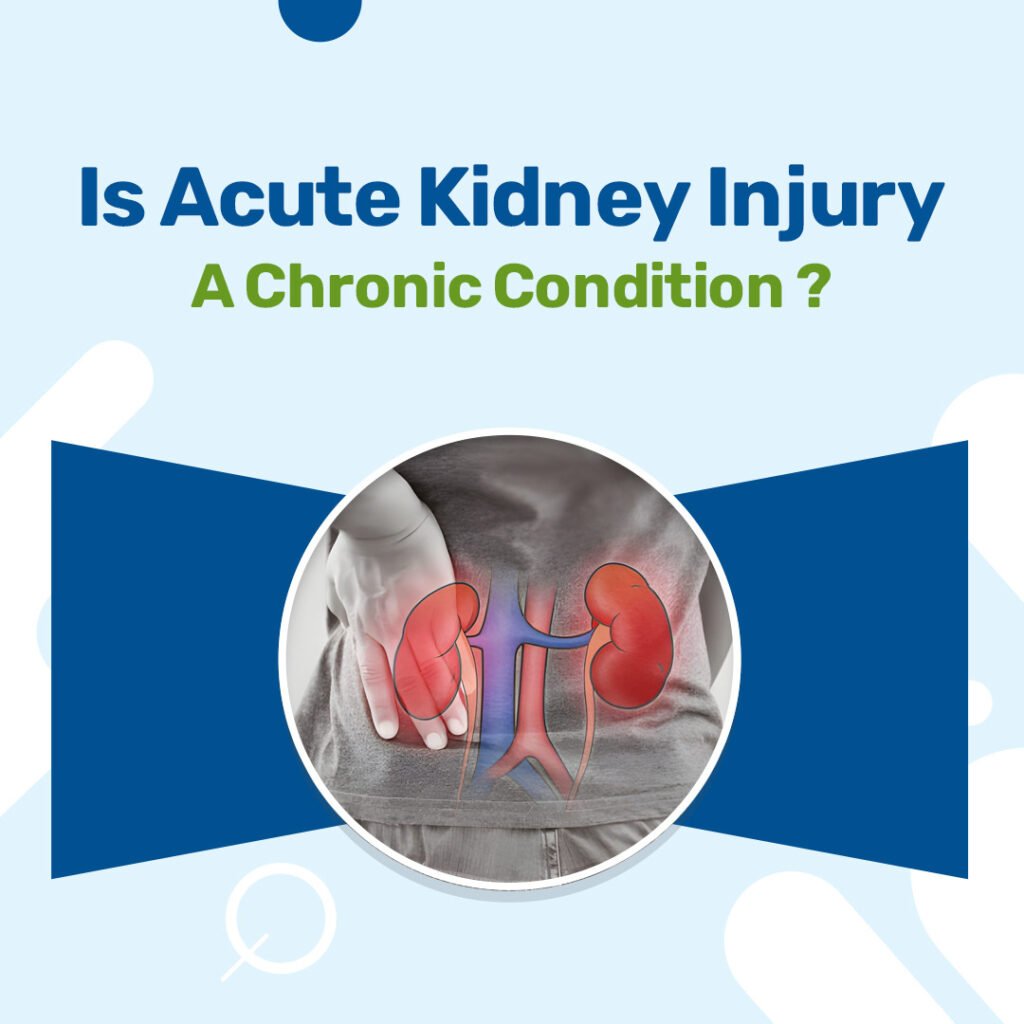
Is Acute Kidney Injury a Chronic Condition?

Core Characteristics and Classification

CKD Stage 1 is classified by eGFR ≥90 mL/min/1.73m² along with markers of kidney damage such as persistent albuminuria or structural abnormalities. The albumin-to-creatinine ratio (ACR) above 30 mg/g signals abnormal protein leakage in urine. Imaging, such as ultrasound, may show cysts or anatomical changes.

Key features include normal filtration with detectable damage markers. Diagnosis requires repeat testing to confirm persistence for at least three months.

Stage eGFR Range (mL/min/1.73m²) Damage Markers Prognosis Risk
Stage 1 ≥90 Albuminuria (ACR >30 mg/g), imaging abnormalities Low with early management
Stage 2 60–89 Albuminuria, structural issues Mild increase
Stage 3 30–59 Progressive markers Moderate

Routine ACR testing and annual screenings are recommended for at-risk individuals. Avoiding nephrotoxic medications and maintaining hydration also support kidney protection.


What Causes CKD Stage 1?

CKD Stage 1 commonly results from hypertension and diabetes, both of which gradually damage the glomeruli (the kidney’s filtering units). Early awareness and treatment can prevent progression to more advanced stages of chronic kidney disease.

High blood pressure narrows and stiffens kidney blood vessels, leading to scarring over time. Diabetes causes elevated blood sugar levels that damage small blood vessels within the kidneys.

Other contributing factors may include chronic inflammation, autoimmune conditions, and prolonged exposure to certain toxins. Addressing underlying causes early is key to managing What Is Chronic Kidney Disease Type 1 effectively.

Primary Risk Factors and Triggers

Major risk factors include:

  • Hypertension: Sustained high blood pressure damages glomeruli. Target BP is generally below 130/80 mmHg.

  • Diabetes: Poor blood sugar control accelerates kidney damage.

  • Obesity: Excess weight increases kidney workload.

  • Family history: Genetic predisposition raises vulnerability.

  • Autoimmune diseases (e.g., glomerulonephritis).

Preventive strategies include annual blood and urine testing, weight management, reduced salt intake, and consistent physical activity.

How Is CKD Type 1 Diagnosed?

Diagnosis of CKD Type 1 (Stage 1 CKD) relies on detecting kidney damage despite normal filtration. Evaluation includes laboratory testing, medical history review, and imaging when needed.

The diagnostic approach typically includes:

  1. Reviewing medical history and checking blood pressure.

  2. Measuring serum creatinine to calculate eGFR.

  3. Performing a urine test for albumin-to-creatinine ratio (ACR).

  4. Repeating abnormal tests after 3 months to confirm chronicity.

  5. Using ultrasound to detect structural abnormalities if necessary.

Diagnosis requires evidence of kidney damage persisting for at least three months.

Key Tests like eGFR and Albuminuria

The two most important tests include:

  • eGFR: Estimates kidney filtration capacity. Stage 1 shows ≥90 with damage markers.

  • Urine ACR: Detects albumin leakage. ACR >30 mg/g indicates kidney damage.

Test Normal Range CKD Stage 1 Indicator Result Time
eGFR ≥90 ≥90 with damage markers 1–2 days
Urine ACR <30 mg/g >30 mg/g Same day
Kidney Ultrasound Normal structure Structural abnormalities 1–3 days

Repeat testing ensures accurate staging and prevents overdiagnosis.


What Are the Symptoms of Early CKD?

Early CKD Stage 1 is often asymptomatic, making routine screening essential. When symptoms occur, they are usually subtle.

Possible early signs include:

  • Fatigue due to mild toxin buildup or early anemia.

  • Foamy urine, indicating protein leakage.

  • Mild swelling (edema) in ankles or feet.

  • Elevated blood pressure.

Unlike later stages, severe symptoms such as nausea, itching, or severe swelling are typically absent. Regular check-ups help identify Stage 1 CKD before noticeable symptoms develop.

How Does CKD Stage 1 Progress If Untreated?

If untreated, CKD Stage 1 can gradually progress as kidney damage accumulates. Over years, declining glomerular filtration rate (GFR) and increasing proteinuria may advance the disease through Stages 2–5.

Typical progression pattern:

  1. Stage 1: Normal GFR with damage markers.

  2. Increasing proteinuria: Rising urine protein levels.

  3. Stage 2–3: GFR declines to 60–89 or 30–59.

  4. Stage 4–5: Severe loss of function; possible end-stage renal disease (ESRD).

Lifestyle management, blood pressure control, and diabetes management significantly reduce progression risk.

What Is the Best Treatment for CKD Type 1?

Treatment of CKD Type 1 focuses on risk factor control and kidney protection, rather than dialysis or invasive therapy.

Core strategies include:

  • Controlling blood pressure (often with ACE inhibitors or ARBs).

  • Managing blood sugar in diabetes.

  • Reducing dietary sodium.

  • Maintaining healthy body weight.

  • Avoiding nephrotoxic medications.

Regular monitoring ensures adjustments can be made promptly to preserve kidney function.

Lifestyle Changes and Medications

Best practices include:

  1. Following a low-sodium diet (under 2,300 mg daily).

  2. Engaging in 150 minutes of moderate exercise weekly.

  3. Maintaining healthy weight.

  4. Quitting smoking.

  5. Taking prescribed medications consistently.

ACE inhibitors or ARBs are commonly prescribed to reduce proteinuria and protect kidney function.

When Is Dialysis Needed for CKD Stage 1?

Dialysis is not required in CKD Stage 1. Kidney function remains strong at this stage, with eGFR ≥90 mL/min/1.73m².

Dialysis is typically considered only in Stage 5 CKD, when eGFR falls below 15 mL/min/1.73m² and symptoms of kidney failure appear.

Early risk management often delays or prevents the need for dialysis entirely.

How Can Personalized CKD Management Improve Outcomes?

Personalized CKD management improves outcomes by tailoring care to individual risk factors and health status.

Benefits include:

  • Slower disease progression.

  • Reduced proteinuria.

  • Better blood pressure control.

  • Lower risk of cardiovascular complications.

  • Improved quality of life.

A structured plan generally includes:

  1. Risk assessment (BP, diabetes, family history).

  2. Customized diet and medication strategy.

  3. Routine monitoring of eGFR and ACR.

  4. Ongoing education and lifestyle reinforcement.

With early detection and consistent management, most patients with CKD Stage 1 maintain stable kidney function for many years.

What Is Kidney Disease IGA Nephropathy?

Dr. Vishal Golay

You can reach Dr. Vishal Golay at Remedy Clinics, Singalila Park, Fortune Plaza, Dagapur, Siliguri, or at Balaji Healthcare, 2nd Mile, Sevoke Road, Siliguri by calling 74309 23244 or emailing vishalgolay1980@gmail.com for comprehensive kidney disease and hypertension management.

Can Kidney Stones Cause Kidney Failure?

Kidney stones rarely cause kidney failure directly, but they can lead to serious complications like urinary obstruction and hydronephrosis if untreated. These issues create pressure buildup, impairing kidney function over time and potentially triggering acute kidney injury, especially in high-risk patients with hypertension or recurrent stones.

Key mechanisms include blockage of urine flow, recurrent infections from urine stasis, chronic inflammation, and stone-induced acute injury. Warning signs such as unrelenting flank pain, low urine output, fever with blood in urine, or leg swelling signal the need for prompt care to prevent progression.

Diagnosis involves ultrasounds, CT scans, blood tests for creatinine and eGFR, and urine analysis. Treatments like medications, shock wave lithotripsy, or hemodialysis in severe cases, combined with hydration and dietary changes, effectively halt damage and protect kidney health.

Key Takeaways:

  • Kidney stones rarely cause kidney failure directly but can lead to it through obstruction, hydronephrosis, and recurrent infections that damage kidney tissue over time.

  • Warning signs include severe pain, blood in urine, fever, nausea, and reduced urine output; seek immediate nephrology care to prevent progression.

  • Early diagnosis via imaging and treatments like stone removal, hydration, and medications halt damage; high-risk groups include those with frequent stones or underlying conditions.

Can Kidney Stones Directly Cause Kidney Failure?

While kidney stones rarely cause kidney failure directly, they can trigger severe complications like obstruction leading to acute kidney injury if untreated. Direct causation is uncommon, but indirect risks through chronic kidney disease progression are significant. Patients often overlook these pathways until symptoms worsen.

Kidney stones form blockages that increase pressure inside the kidneys over time. If untreated, this leads to gradual function loss rather than sudden failure. Early intervention helps prevent escalation in high-risk cases.

Indirect risks grow with repeated episodes, fostering long-term damage. For those wondering can kidney stones cause kidney failure, the answer lies in unmanaged complications like infections or inflammation. Regular check-ups help catch issues early.

Hypertension amplifies these dangers, speeding progression. Monitoring urine flow and stone size is essential. Lifestyle changes, such as increased hydration, reduce recurrence and protect kidney health.

Does Kidney Stones Cause UTI?

Key Mechanisms of Potential Damage

Kidney stones contribute to damage via blockage of urine flow, causing pressure buildup that impairs kidney function. These mechanisms rarely lead straight to failure but build risk over time. Understanding them supports prevention.

Here are the main ways stones harm kidneys:

  • Urinary obstruction leads to hydronephrosis, where urine backs up and swells the kidney, reducing filtration efficiency.

  • Recurrent infections from urine stasis create ongoing bacterial growth, stressing kidney tissue.

  • Chronic inflammation in CKD pathways erodes function through repeated irritation from stone presence.

  • Stone-induced acute kidney injury occurs when large stones suddenly block flow, causing rapid pressure damage.

Untreated cases progress faster in hypertensive patients, who already face added strain on kidney blood vessels. Prompt imaging is recommended for stones over 1 cm. Hydration and dietary adjustments significantly reduce these risks.

Practical steps include drinking adequate water daily and avoiding high-oxalate foods. Regular follow-ups with a nephrologist help track changes. This approach directly addresses concerns about kidney stones causing kidney failure.

How Do Kidney Stones Lead to Kidney Injury?

Kidney stones lead to injury primarily through physical obstruction, disrupting normal kidney filtration. This blockage stops urine flow, causing pressure buildup that harms kidney tissue over time. Early detection prevents progression to severe complications.

When a stone blocks the ureter, urine backs up into the kidney. This results in hydronephrosis, a swelling that stretches delicate kidney structures. Patients often experience sharp pain and reduced urine output, signaling the need for prompt care.

Clinical protocols focus on early imaging such as ultrasound or CT scan to detect obstruction. Seeking care if pain persists beyond 24 hours is critical, as delays worsen swelling and increase the risk of injury.

In practice, a patient with a lodged stone may develop swelling within days. Early removal of the stone restores urine flow and helps prevent long-term kidney damage.

Obstruction and Hydronephrosis Risks

Obstruction from kidney stones causes hydronephrosis, where urine backs up into the kidney, dilating the renal pelvis and calyces. This swelling can begin shortly after blockage and raises pressure on kidney tissues. Acting quickly limits the risk of permanent harm.

The progression often follows these steps:

  1. A stone lodges in the ureter, usually within 24–48 hours after moving from the kidney.

  2. Urine stasis leads to swelling, detectable by ultrasound within about 72 hours.

  3. Ongoing pressure damages nephrons, lowering kidney function if untreated.

Immediate imaging is recommended for suspected obstruction. Timely stone removal often reverses hydronephrosis and preserves kidney function.

Delaying treatment beyond a week increases the risk of permanent scarring. Early evaluation for persistent flank pain helps prevent progression toward kidney failure.

What Are the Warning Signs of Complications?

Watch for signs like persistent flank pain, reduced urine output, and swelling, which may indicate kidney stone complications progressing toward injury. These symptoms can signal obstruction or infection that threatens kidney function. Early detection helps prevent lasting damage.

Experts recommend tracking daily symptoms to recognize patterns. Severe or persistent signs require prompt evaluation.

  • Severe pain unrelieved by analgesics: Intense flank or abdominal pain lasting hours may signal obstruction or tissue damage.

  • Oliguria (urine output under 400 ml per day): Suggests impaired kidney function from blockage.

  • Hematuria with fever: Blood in urine combined with fever may indicate infection or inflammation.

  • Leg edema linked to hypertension: Swelling may reflect kidney strain affecting fluid balance.

  • Persistent fatigue: Can suggest early chronic kidney disease due to prolonged obstruction.

Keep a symptom log and seek medical care if two or more signs persist for over 48 hours. Prompt imaging and lab tests can prevent progression toward kidney failure.

When Should You Seek Immediate Nephrology Care?

Seek immediate nephrology care for unrelenting pain, fever above 101°F (38.3°C), or urine output below 500 ml per day, as these may indicate serious stone-related kidney damage. Early action helps protect kidney function.

Recognize red-flag triggers that demand urgent evaluation:

  • Symptoms lasting over 24 hours: Persistent pain or visible blood in urine may indicate ongoing obstruction.

  • Nausea or vomiting preventing hydration: Dehydration worsens kidney strain.

  • Blood pressure spikes above 180/100 mmHg: Severe hypertension increases risk of kidney injury.

  • Post-stone infection symptoms: Chills, confusion, or rapid heart rate may signal sepsis.

Go to the emergency room within 6 hours if sepsis is suspected. Early intervention significantly reduces the risk of acute kidney injury from stones.

Understanding Red-Flag Triggers

Red-flag triggers are warning signs of worsening kidney stone complications. They may indicate obstruction or infection causing kidney strain. Recognizing them early allows timely treatment.

Examples include:

  • Wave-like pain that does not subside.

  • Vomiting severe enough to prevent fluid intake.

  • Persistently high blood pressure readings.

  • Fever combined with flank pain.

Monitor urine output closely. Less than 500 ml daily may indicate reduced kidney function and requires immediate evaluation.

Timeline for Emergency Response

If sepsis symptoms such as high fever and confusion appear, act within 6 hours. Delays increase the risk of kidney failure.

A practical response plan:

  1. Assess pain and hydration status hourly.

  2. Monitor blood pressure if possible.

  3. Seek emergency care for high fever or very low urine output.

  4. Arrange follow-up nephrology care for ongoing stone management.

Timely action prevents stone-related kidney damage.

How Is Kidney Stone-Related Damage Diagnosed?

Diagnosis of kidney stone-related damage involves ultrasound, blood tests for creatinine, CT scans, and urine analysis. This evaluation determines whether obstruction or injury is affecting kidney function. In many cases, the full assessment can be completed in one visit.

The diagnostic process typically includes:

  1. History and symptoms review: Assess pain location, duration, and signs of infection.

  2. Laboratory tests: Measure creatinine and eGFR to detect reduced kidney function.

  3. Imaging: Non-contrast CT scans identify stones larger than 5 mm and detect obstruction.

  4. Urine analysis: Check for infection, blood, or crystals.

Avoid relying solely on X-rays, as they may miss certain stone types. A stepwise approach improves diagnostic accuracy and prevents complications.

What Treatments Prevent Progression to Failure?

Personalized treatment plans—including stone removal and lifestyle changes—help prevent kidney stones from progressing to kidney failure. Early detection and intervention are key.

Treatment often follows a prevention-focused hierarchy:

  1. Medications: Alpha blockers help pass stones; potassium citrate reduces recurrence.

  2. Minimally invasive procedures: Shock wave lithotripsy, ureteroscopy, or laser fragmentation remove blockages.

  3. Ongoing monitoring: Regular blood tests and ultrasounds track kidney health.

Lifestyle changes such as increased hydration and reduced salt intake significantly lower recurrence risk.

Role of Hemodialysis in Severe Cases

In rare severe cases of stone-induced acute kidney injury, temporary hemodialysis may be required to filter toxins while kidneys recover. This treatment supports the body until normal kidney function returns.

Hemodialysis sessions typically last 3–4 hours, three times weekly. Close monitoring of electrolytes and fluid balance ensures safety.

Steps include:

  1. Initiating dialysis promptly in critical cases.

  2. Monitoring vascular access and infection risk.

  3. Tracking electrolyte levels after each session.

Most acute cases improve once obstruction is relieved, preventing permanent kidney failure.

Who Is at Highest Risk for This Complication?

Patients with recurrent stones, hypertension, or diabetes face higher risk of kidney stones contributing to kidney failure. Repeated obstructions can gradually impair kidney function.

Can Acute Kidney Injury Cause Hypertension?

Higher-risk groups include:

  • Individuals with hypertension, where high blood pressure compounds stone-related strain.

  • Those with chronic kidney disease stage 3 or higher, who experience faster decline from obstruction.

  • Males aged 30–50 with large stones, who often face delayed passage.

  • Workers exposed to high heat and dehydration, increasing stone formation risk.

  • Patients with frequent stone recurrence.

Preventive measures include annual screening ultrasounds, maintaining hydration, and controlling underlying conditions.

Expert Insights from a Nephrology Perspective

Nephrology experts emphasize early detection and personalized prevention strategies. Kidney stones can contribute to kidney failure if untreated, but proactive management significantly reduces this risk.

Key recommendations include:

  • Drink at least 3 liters of water daily, unless medically restricted.

  • Follow a low-salt diet to reduce stone formation.

  • Schedule yearly ultrasounds for high-risk individuals.

Patient-centered care and individualized monitoring outperform generalized advice. Early removal and prevention strategies preserve long-term kidney health.

Comprehensive CKD Management Strategies

Comprehensive CKD strategies integrate dialysis support, blood pressure control, and prevention of recurrent stones to manage progression effectively. These approaches help address concerns about kidney stones leading to kidney failure.

Five practical strategies include:

  1. Quarterly eGFR monitoring to detect early kidney function changes.

  2. Personalized medications for blood pressure and potassium balance.

  3. Peritoneal dialysis, when needed, for flexibility in advanced CKD.

  4. Diet counseling focusing on low-oxalate and low-salt intake.

  5. Annual stone risk assessments to guide preventive care.

Consistent monitoring and lifestyle adjustments play a central role in protecting kidney function and preventing long-term complications.

Dr. Vishal Golay

You can reach Dr. Vishal Golay at Remedy Clinics, Singalila Park, Fortune Plaza, Dagapur, Siliguri, or at Balaji Healthcare, 2nd Mile, Sevoke Road, Siliguri by calling 74309 23244 or emailing vishalgolay1980@gmail.com for comprehensive kidney disease and hypertension management.

Can Chronic Kidney Disease Happen Suddenly?

Chronic kidney disease (CKD) typically develops gradually over time from ongoing damage due to factors like diabetes or hypertension, rather than happening suddenly. While it progresses slowly through persistent stress on kidney filters, certain triggers such as dehydration or infections can worsen symptoms abruptly, mimicking a sudden onset. Distinguishing CKD from acute kidney injury (AKI), which strikes quickly and is often reversible with prompt care, is key to proper management.

Early signs include foamy urine, persistent fatigue, leg swelling, high blood pressure, and itchy skin, often caught via eGFR blood tests. High-risk groups, like those with diabetes or post-transplant patients, benefit from regular monitoring to prevent rapid decline.

Management involves lifestyle changes such as low-sodium diets, controlling blood pressure below 130/80, 150 minutes of weekly exercise, balanced hydration, and quitting smoking. These steps slow progression and reduce complications, supporting long-term kidney health.

Key Takeaways:

  • Chronic Kidney Disease (CKD) rarely develops suddenly; it’s typically a slow progression from causes like diabetes and hypertension, unlike acute kidney injury which strikes abruptly.

  • Triggers like infections or medications can accelerate CKD, making it seem sudden, but it builds over time—early detection is crucial to prevent rapid decline.

  • High-risk groups include those with diabetes, hypertension, or prior acute kidney injury; consult a nephrologist for personalized plans to slow progression.

Can Chronic Kidney Disease Develop Suddenly?

While Chronic Kidney Disease (CKD) is typically progressive, it is important to distinguish it from sudden-onset conditions like Acute Kidney Injury through expert diagnosis. CKD builds over time from ongoing damage, but certain triggers can worsen it quickly. This sets it apart from acute issues that demand different care.

CKD management focuses on long-term strategies like blood pressure control and lifestyle changes. In contrast, acute kidney injury treatment often involves immediate steps such as fluid balance and dialysis support. Evidence-based practice helps prevent misdiagnosis by using precise tests.

Patients sometimes confuse the two because symptoms like fatigue overlap. Early differentiation ensures the right path, avoiding unnecessary urgency or delays. Experts recommend regular check-ups for those at risk from diabetes or hypertension.

Understanding this difference answers the question: Can Chronic Kidney Disease happen suddenly? Not typically, yet swift expert evaluation clarifies any rapid changes. Tailored approaches support better outcomes.

Key Differences Between CKD and Acute Kidney Injury

CKD develops gradually from ongoing damage like hypertension-related disorders, while Acute Kidney Injury strikes suddenly and requires advanced diagnostic protocols. This distinction guides proper care and prevents confusion. Here’s a clear comparison.

Condition Onset Common Causes Treatment Approach Prognosis
CKD Gradual Diabetes, hypertension Comprehensive management with medications and diet Slow progression with ongoing monitoring
AKI Sudden Dehydration, infection Hemodialysis support and cause-specific care Reversible with early intervention

Consider these practical use cases. For CKD post-transplant follow-up, kidney function is monitored with routine blood tests and immunosuppressants are adjusted to manage gradual decline. Patients learn to track symptoms daily for steady control.

In AKI dialysis care, urgent dialysis restores balance after sudden dehydration from illness. Quick reversal through hydration and infection treatment is prioritized. Recovery often follows prompt action, highlighting the need for speed.

Why CKD Is Typically a Slow, Progressive Condition

CKD progresses slowly over years due to persistent factors like uncontrolled hypertension. This gradual damage builds from ongoing stress on kidney filters, or nephrons. Evidence-based practices for CKD management highlight how early detection can change this path.

Unlike sudden injuries, CKD develops quietly from repeated harm to kidney tissue. Factors like high blood pressure strain blood vessels over time. Patients often notice no symptoms until later stages, making regular check-ups key.

Early screening allows interventions that slow or halt progression. Healthcare providers focus on controlling root causes to preserve kidney function. This approach answers why many wonder, can chronic kidney disease happen suddenly, when it rarely does.

Monitoring and lifestyle adjustments help patients avoid advanced CKD. Consistent care transforms the typical slow decline into manageable health.

Common Gradual Causes Like Diabetes and Hypertension

Diabetes and hypertension are primary drivers of CKD’s slow damage to nephrons, often requiring specialized evaluation for hypertension-related kidney disorders. These conditions harm kidneys bit by bit over years. High glucose from diabetes and vessel strain from hypertension weaken filters steadily.

Here are four common gradual causes:

  • Hypertension damages kidney blood vessels, leading to scarring over time.

  • Diabetes causes high blood sugar to harm delicate filters, reducing function gradually.

  • Prolonged untreated issues like infections allow damage to build without notice.

  • Kidney stones contribute slowly by causing repeated blockages and inflammation.

Experts recommend yearly checks for blood pressure and glucose levels to catch issues early. Simple habits like a balanced diet support kidney health. These steps prevent the slow creep toward CKD.

Patients with these risks benefit from tailored plans. Regular monitoring spots changes before they worsen. This focus keeps CKD from advancing unnoticed.

Can Any Triggers Make CKD Seem Sudden?

Though gradual, CKD can appear sudden when advanced stages are unmonitored. This highlights the importance of early detection. Triggers like dehydration, medications, or infections can unmask hidden damage, making chronic kidney disease seem to happen suddenly.

Severe dehydration often exacerbates underlying CKD, linking it to acute kidney injury (AKI). Without enough fluids, kidneys struggle, revealing silent progression. Personalized hydration plans with lifestyle guidance can help prevent this.

Medication toxicity in undiagnosed cases can spike damage quickly. Common drugs strain kidneys if pre-existing issues are hidden. Medication reviews and dietary advice help reduce risk.

Infections accelerate kidney harm in vulnerable people. Acute kidney injury treatment prevents escalation to CKD, per KDIGO guidelines. A warning: 20% of AKI leads to CKD. Monitoring and prompt care are essential.

Sudden Dehydration and Hidden CKD

Dehydration triggers AKI on top of undetected CKD, causing a sudden drop in function. Patients may feel extreme fatigue or confusion quickly. Rehydration therapy reverses this, but early checks help stop escalation.

Track fluid intake daily and aim for consistent hydration through water-rich foods and routines. This plan spots risks before they worsen.

Examples include summer heat or illness causing fluid loss. Monitor urine color and volume. Lifestyle guidance focuses on prevention to avoid sudden CKD flares.

Medication Toxicity in Undiagnosed Cases

Certain painkillers or antibiotics build up in weakened kidneys, mimicking sudden CKD onset. Toxicity hits hard without prior monitoring. Drug level tests catch this early.

Review all medications regularly and consider kidney-friendly diets low in processed items. Adjustments help keep function stable.

Practical steps: List all supplements before new prescriptions. Regular blood work guides safe use. This approach prevents toxicity from unmasking hidden disease.

Infections Accelerating Kidney Damage

Urinary tract or systemic infections inflame kidneys, speeding CKD in at-risk cases. Symptoms like fever and swelling appear abruptly. Antibiotic protocols plus supportive care halt progression.

Infection prevention through hygiene and vaccines is important. Monitor for early signs with routine visits. Lifestyle tweaks can boost immunity.

Seek care at the first sign of fever in anyone with a CKD history. Hydrate extra during illness. These steps help ensure infections do not trigger sudden worsening.

How Does Acute Kidney Injury Relate to CKD Progression?

Repeated Acute Kidney Injury (AKI) episodes can accelerate CKD progression through the need for hemodialysis or peritoneal dialysis support. AKI causes a sudden drop in kidney function, often measured by glomerular filtration rate (GFR). This relates to chronic kidney disease because incomplete recovery from AKI can lead to lasting damage, answering whether chronic kidney disease can happen suddenly through repeated acute events.

AKI acts as a trigger for CKD in many cases. A single AKI event stresses the kidneys, and without full recovery, scar tissue forms. Over time, this sets the stage for progressive kidney decline.

  1. AKI episode: Sudden GFR drop from dehydration, infection, or toxins disrupts kidney filtration.

  2. Incomplete recovery: Kidneys scar, reducing long-term function even after the acute phase ends.

  3. Repeated events: Multiple AKI incidents push kidneys into CKD stages, with declining GFR levels.

  4. Dialysis intervention: Hemodialysis or peritoneal dialysis slows progression to Stage 3 CKD by supporting kidney rest and toxin removal.

Research suggests AKI survivors face higher CKD risk. Seek dialysis care post-AKI to monitor GFR and prevent advancement. Early intervention offers practical support through tailored dialysis plans.

What Are the Earliest Signs of CKD Onset?

Subtle early CKD signs like fatigue and swelling often go unnoticed, but expert diagnosis enables timely intervention. The earliest indicators of chronic kidney disease onset include foamy urine, persistent tiredness, leg swelling, high blood pressure, and itchy skin. Spotting these prompts quick checks like an eGFR blood test for confirmation.

These signs signal kidneys struggling to filter waste. Early detection through simple tests helps manage the condition before it worsens. Research suggests catching it early improves long-term kidney health.

  • Foamy urine points to proteinuria, where excess protein leaks into urine. This happens as kidney filters weaken. Get an eGFR blood test to measure filtration rate and confirm damage.

  • Persistent fatigue stems from anemia or toxin buildup. Kidneys fail to produce enough erythropoietin for red blood cells. An eGFR test assesses if this ties to early CKD.

  • Swelling in legs, or edema, occurs from fluid retention due to poor sodium balance. Check with an eGFR blood test alongside urine analysis for protein levels.

  • High blood pressure strains kidneys further, creating a cycle. Itchy skin results from mineral imbalances like high phosphorus. Both warrant an immediate eGFR test.

Even if chronic kidney disease seems gradual, these signs can appear suddenly, answering if CKD can happen suddenly.

How Can Early Detection Prevent Sudden Complications?

Emphasis on early detection through comprehensive kidney care helps prevent sudden CKD complications like end-stage renal disease. Catching chronic kidney disease early allows for interventions that slow progression and avoid acute issues. This proactive monitoring addresses concerns about whether chronic kidney disease can happen suddenly.

Early intervention helps manage risk factors such as hypertension, reducing the chance of sudden worsening. For example, a patient with high blood pressure who gets regular checkups can adjust medications promptly. This prevents acute kidney injury and helps preserve kidney function.

  1. Get an annual eGFR test to measure kidney filtration rate and spot declines early.

  2. Check urine albumin levels to detect protein leakage, a key sign of damage.

  3. Consult a nephrologist for personalized comprehensive kidney care plans.

These steps enable patients to act before complications arise. Regular monitoring builds a safety net against sudden events and improves quality of life through timely adjustments.

Who Is at Highest Risk for Rapid CKD Decline?

Individuals with diabetes, hypertension, or kidney stones face rapid CKD decline. These groups often experience sudden worsening of chronic kidney disease due to ongoing damage. Early monitoring helps prevent quick progression.

Diabetics top the list because high glucose levels harm kidney filters over time. This damage can accelerate suddenly under stress. Regular blood sugar checks are key to slowing decline.

Hypertensives follow closely, as high blood pressure strains kidney vessels. Sudden spikes can trigger fast CKD worsening. Controlling pressure through lifestyle changes offers protection.

  • Post-transplant patients risk rapid decline from rejection or medications.

  • Stone sufferers face blockages that impair kidney function abruptly.

Schedule a nephrology evaluation for personalized plans to track and manage these risks effectively.

Diabetics and Glucose Damage

Diabetics face the highest risk for rapid CKD decline from prolonged high glucose harming kidney structures. This can happen suddenly during infections or poor control. Can chronic kidney disease happen suddenly? Yes, in uncontrolled cases.

Glucose buildup damages tiny kidney blood vessels, leading to scarring. Patients may notice swelling or fatigue as signs. Daily monitoring of blood sugar helps prevent escalation.

Experts recommend pairing medication with diet adjustments. For example, limit sugary foods and check A1C levels often. This approach supports kidney health long-term.

Hypertensives and Vessel Strain

People with hypertension risk sudden CKD worsening as high pressure damages kidney arteries. Spikes from stress or salt intake can trigger quick decline. Proactive management is essential.

Strained vessels lose flexibility, reducing blood flow to kidneys. Symptoms like high creatinine may appear quickly. Track blood pressure daily at home for early alerts.

Practical steps include low-salt meals and exercise combined with prescribed medications. Regular checkups catch issues before they speed up.

Post-Transplant Patients

Post-transplant patients are prone to rapid CKD decline from immune reactions or drug side effects. Rejection episodes can cause sudden function loss. Close follow-up is critical after surgery.

Medications to prevent rejection often stress kidneys over time. Watch for rising creatinine or fatigue. Adjust doses under medical guidance promptly.

Maintain hydration and avoid over-the-counter painkillers when possible. These habits help protect the transplanted kidney. Consult specialists for tailored monitoring schedules.

Kidney Stone Sufferers

Those with kidney stones risk abrupt CKD progression from blockages or infections. Stones can obstruct urine flow suddenly, harming tissue. Prevention focuses on hydration and diet.

Repeated stones lead to scarring and faster decline. Pain or blood in urine signals trouble. Seek imaging tests during flare-ups.

Drink plenty of water daily and reduce oxalate-rich foods. These changes lower stone formation risk. Early intervention helps prevent rapid damage.

What Role Does a Nephrologist Play in CKD Management?

A nephrologist delivers trusted CKD management with a patient-centric, evidence-based focus. Comprehensive services cover chronic kidney disease, dialysis, and hypertension disorders. Patients benefit from specialized expertise when addressing concerns like whether chronic kidney disease can happen suddenly.

Early intervention helps prevent progression. Care typically spans from initial diagnosis to long-term dialysis support. Clear communication and proven strategies build trust and improve outcomes.

For hypertension linked to CKD, treatments are tailored to control blood pressure and protect kidney function. This holistic care helps patients navigate complexities, including sudden symptom flares. Specialized oversight supports optimal results.

Ongoing monitoring ensures CKD does not escalate unexpectedly. Reliable guidance and structured follow-up improve long-term kidney health.

Expert Diagnosis and Personalized Treatment Plans

Expert diagnosis includes advanced tests for CKD, leading to tailored plans like post-transplant follow-up. This process answers key questions, such as whether chronic kidney disease can happen suddenly, by identifying risks early and enabling prompt action.

A structured approach often follows these steps:

  1. Initial assessment: Review symptoms, medical history, and family background to spot patterns.

  2. Diagnostics: Order eGFR blood tests and kidney ultrasound for accurate staging.

  3. Personalized plan: Combine lifestyle changes, like diet adjustments, with medications to slow progression.

  4. Monitoring: Schedule quarterly checks to track improvements and adjust as needed.

Avoid the common mistake of ignoring family history, which can signal genetic risks for sudden CKD worsening. Practical examples include advising low-sodium diets for hypertension control. Evidence-based care improves kidney function stability over time.

Consistent follow-up supports better outcomes. Post-diagnosis plans often incorporate exercise to manage weight and blood sugar, ensuring comprehensive care tailored to individual needs.

Advanced Treatments for CKD in Siliguri

Advanced CKD treatments in Siliguri include hemodialysis, peritoneal dialysis, and kidney stone evaluation. These options help manage chronic kidney disease effectively, even when patients worry whether chronic kidney disease can happen suddenly. Early access to such care helps prevent rapid progression.

For those with advancing CKD, treatments focus on dialysis types suited to lifestyle needs. Hemodialysis fits center-based care, while peritoneal dialysis allows home use. Kidney stone evaluation adds non-invasive checks for related issues.

Patients benefit from local access to these therapies. Treatment plans are tailored based on CKD stage and mobility. This approach supports long-term kidney health amid sudden symptom concerns.

Treatment Type Best For Program Detail Access in Siliguri
Hemodialysis In-center Advanced CKD Structured dialysis program Available daily sessions
Peritoneal dialysis Home-based Mobile patients Home dialysis training Home delivery kits
Kidney stone evaluation Non-invasive Stone-related pain Imaging and lab assessment Local ultrasound access
Post-transplant follow-up Monitoring Transplant patients Scheduled function review Regular clinic visits

Top Choice for Stage 4 CKD: Hemodialysis

Hemodialysis stands out as the top choice for Stage 4 CKD. It filters blood effectively when kidneys fail, addressing concerns about sudden deterioration. Sessions last 3–4 hours, typically three times weekly.

In-center hemodialysis provides close monitoring by trained staff. Treatments are adjusted based on fluid balance and lab results. This helps prevent complications from sudden declines.

For Stage 4 patients, it provides critical support before transplant. Practical tips include tracking diet and medications. Siliguri clinics often offer flexible scheduling.

Peritoneal Dialysis for Mobile Lifestyles

Peritoneal dialysis works well for mobile patients needing home-based care. It uses the abdominal lining to filter waste, which can be helpful if CKD progresses unexpectedly. Patients receive training on daily exchanges.

This option fits active routines without frequent center visits. Supplies are delivered at home in Siliguri. Proper hygiene reduces infection risks.

It is often recommended for those who prefer independence. Monitor for signs like abdominal pain and report concerns early. Combining it with dietary changes supports better outcomes.

Lifestyle Guidance to Slow CKD Progression

Lifestyle guidance plays a key role in slowing CKD progression and enhancing outcomes. These steps help manage symptoms and protect kidney function, even if chronic kidney disease appears to worsen suddenly in some cases. Small, consistent changes can make a significant difference over time.

My Husband Has Chronic Kidney Disease: How To Take Care Of Him

Experts recommend focusing on daily habits that support kidney health:

  • Follow a low-sodium diet to control hypertension and reduce kidney strain.

  • Keep blood pressure under 130/80 through medication and healthy habits.

  • Aim for 150 minutes of exercise per week, such as walking or swimming.

  • Maintain hydration balance by drinking adequate fluids without excess.

  • Quit smoking to improve blood flow and slow kidney damage.

Regular check-ups ensure timely adjustments. Research suggests these practices can slow GFR decline and improve overall stability.

Why Low-Sodium Diets Help Control Hypertension

A low-sodium diet reduces fluid retention and lowers blood pressure stress on kidneys. Limit salt intake to under 2,300 mg daily, focusing on fresh foods over processed ones. This supports slower CKD progression.

Read labels carefully and use herbs for flavor. Many patients report reduced swelling and better energy. Combined with other habits, results improve further.

How Does Chronic Kidney Disease Cause Hypertension?

Early dietary changes act as prevention against sudden worsening. Tracking sodium intake with a food diary improves accountability.

Maintaining Blood Pressure Below 130/80

Target blood pressure below 130/80 to protect kidney filters from ongoing damage. Regular home monitoring and follow-up visits guide medication adjustments. This control helps prevent further kidney decline.

Relaxation techniques like deep breathing can complement medication. Weight management also supports this goal. Consistent tracking often leads to measurable improvement.

Vigilance helps guard against sudden CKD flares. Lifestyle adjustments provide steady protection.

Exercise: 150 Minutes Weekly for Kidney Health

Aim for 150 minutes of moderate exercise weekly, such as brisk walking. This improves circulation and supports weight and blood sugar control. Kidneys benefit from improved cardiovascular health.

Break it into 30-minute sessions five days a week. Begin gradually if new to exercise. Pair activity with proper hydration.

Even if CKD progression feels sudden, exercise strengthens resilience. Patients often gain stamina and confidence.

Balancing Hydration Without Overload

Hydration balance means drinking enough to flush toxins without overburdening kidneys. Clear or light-yellow urine is a general guide, though fluid needs vary individually. Follow personalized advice when needed.

Avoid sugary beverages and monitor intake during hot weather. Thirst cues are helpful for many people.

Proper hydration helps reduce risks when chronic kidney disease worsens unexpectedly. It promotes long-term kidney stability.

Quitting Smoking to Preserve Kidney Function

Smoking cessation improves blood vessel health and oxygen delivery to kidneys. Quitting reduces toxin exposure that accelerates kidney damage. Benefits begin within weeks.

Consider support groups, nicotine replacement therapies, or counseling. Replace smoking with healthier routines like walking or hobbies. Tracking progress strengthens motivation and long-term success.

Dr. Vishal Golay

You can reach Dr. Vishal Golay at Remedy Clinics, Singalila Park, Fortune Plaza, Dagapur, Siliguri, or at Balaji Healthcare, 2nd Mile, Sevoke Road, Siliguri by calling 74309 23244 or emailing vishalgolay1980@gmail.com for comprehensive kidney disease and hypertension management.

Does Chronic Kidney Disease Make You Vomit?

Chronic kidney disease (CKD) can cause vomiting through uremia, where failing kidneys allow toxins to build up in the blood, irritating the stomach and nausea centers in the brain. This symptom often appears in advanced stages, such as stage 3b through 5, alongside fatigue, swelling, and loss of appetite.

Other accompanying issues include anemia leading to tiredness, fluid retention causing edema, high blood pressure, itching from phosphorus buildup, and shortness of breath. Early detection through blood tests like BUN and creatinine levels helps identify these patterns before they worsen.

When to seek help: Go immediately if vomiting lasts over 24 hours, includes blood, or brings dehydration signs like dizziness and dry mouth. Management involves anti-nausea medications, low-protein diets, fluid control, and dialysis for end-stage cases.

Key Takeaways:

  • Yes, vomiting is a common symptom of chronic kidney disease (CKD), often signaling advanced stages due to toxin buildup.

  • CKD causes vomiting through uremia, where waste products accumulate in the blood, irritating the stomach and triggering nausea.

  • Seek immediate medical help for persistent vomiting in CKD; dialysis and lifestyle changes like diet adjustments can effectively manage it.

Does Chronic Kidney Disease Cause Vomiting?

Yes, vomiting is a common symptom of Chronic Kidney Disease (CKD), often signaling advanced stages where kidneys fail to filter toxins effectively. This occurs mainly due to uremia, a buildup of waste products in the blood. Patients may notice this symptom alongside fatigue and loss of appetite.

Uremia irritates the stomach lining and stimulates nausea centers in the brain. As kidney function declines, toxin levels rise, increasing the likelihood of vomiting.

Understanding this connection helps patients seek timely care. Managing toxin levels through diet, medications, and proper medical supervision helps prevent vomiting from worsening.

Yes, Vomiting is a Common CKD Symptom

Vomiting in CKD patients frequently occurs due to uremia from impaired kidney filtration. This symptom often appears in later stages when kidneys struggle to remove waste.

Vomiting typically emerges in advanced CKD stages, such as:

  • Stage 3b with moderate filtration loss

  • Stage 4 marked by severe reduction

  • Stage 5 (end-stage kidney failure)

  • Progressing cases per standard CKD staging guidelines

Monitor for nausea, track fluid intake, and note vomiting patterns. Early detection through regular testing can slow progression and improve comfort.

How Does CKD Lead to Vomiting?

CKD triggers vomiting through progressive kidney damage that disrupts fluid, electrolyte, and toxin balance. Over time, failing kidneys cannot filter waste properly. This leads to uremia, where toxins build up in the blood and irritate the gastrointestinal tract and brain centers controlling nausea.

Patients often notice early signs like fatigue before vomiting begins. As CKD advances, imbalances worsen, making vomiting more frequent.

Recognizing this link helps patients seek help sooner. Regular checkups and dietary adjustments reduce the burden on kidneys.

Uremia and Toxin Buildup as Key Triggers

Uremia, the buildup of urea and other toxins due to failing kidneys, directly irritates the gastrointestinal tract and causes persistent vomiting.

The process unfolds in steps:

  1. Glomerular filtration rate (GFR) drops significantly.

  2. Toxins like urea accumulate in the bloodstream.

  3. These toxins stimulate the chemoreceptor trigger zone (CTZ) in the brainstem.

  4. This results in nausea and vomiting episodes.

Blood tests such as BUN and creatinine help monitor toxin levels. Early detection allows timely dietary changes or dialysis.

Practical tips:

  • Eat small, bland meals.

  • Avoid heavy, greasy foods.

  • Follow fluid guidance carefully.

Is Chronic Kidney Disease Caused By Alcohol

What Other Symptoms Accompany Vomiting in CKD?

Vomiting in CKD rarely occurs alone. It often appears with fatigue, swelling, and hypertension. Many patients experience multiple symptoms simultaneously.

Common accompanying symptoms include:

  • Fatigue from anemia: Reduced erythropoietin leads to low red blood cells and tiredness.

  • Edema (fluid retention): Swelling in ankles, hands, or face.

  • Hypertension: High blood pressure worsens kidney damage.

  • Itching from phosphorus buildup: Persistent skin irritation.

  • Shortness of breath: Fluid overload or anemia reduces oxygen supply.

  • Loss of appetite: Toxin buildup suppresses hunger.

Use this diagnostic checklist for tracking symptoms:

Diagnostic Checklist for CKD Symptoms

Symptom Check if Present Possible Cause
Fatigue Yes / No Anemia
Edema Yes / No Fluid retention
Hypertension Yes / No Kidney strain
Itching Yes / No Phosphorus buildup
Shortness of breath Yes / No Fluid overload or anemia
Loss of appetite Yes / No Toxin accumulation

If three or more symptoms occur with vomiting, seek medical evaluation.

When Should You Seek Immediate Medical Help for Vomiting?

Seek immediate help if vomiting is accompanied by dehydration or confusion. These may signal uremic emergencies.

Seek care urgently if:

  • Vomiting lasts more than 24 hours

  • Blood appears in vomit

  • No urine output occurs

  • Severe dizziness or dry mouth develops

  • Confusion or altered mental state appears

High potassium levels above 6 mEq/L can cause heart rhythm disturbances and require emergency treatment.

Is Chronic Kidney Disease The Same As Kidney Failure

Recognizing Dehydration in CKD Patients

Signs of dehydration include:

  • Dry mouth

  • Reduced skin elasticity

  • Dark urine

  • Persistent dizziness

  • Rapid heartbeat

Weigh yourself daily. Sudden weight loss may indicate dehydration. Seek medical care promptly.

Understanding Uremic Encephalopathy Symptoms

Uremic encephalopathy occurs in advanced CKD due to toxin buildup affecting the brain.

Watch for:

  • Confusion

  • Drowsiness

  • Tremors

  • Seizures

  • Personality changes

Immediate medical treatment can reverse symptoms if caught early.

How Is Vomiting Managed in CKD Patients?

Vomiting in CKD is managed through personalized treatment targeting uremia and electrolyte imbalance.

Management steps include:

  1. Blood tests to check BUN and creatinine

  2. Anti-emetic medications such as ondansetron

  3. Low-protein dietary plans to reduce toxin buildup

  4. Blood pressure control using ACE inhibitors or ARBs

  5. Dialysis in advanced CKD

Early intervention improves comfort and slows progression.

Is Acute Kidney Injury a Chronic Condition?

Can Lifestyle Changes Reduce Vomiting in CKD?

Yes, targeted lifestyle changes can significantly reduce vomiting in CKD.

Recommended practices:

  • Limit fluids to approximately 1.5 liters daily if advised

  • Follow a low-potassium diet when indicated

  • Eat small frequent meals

  • Avoid NSAIDs such as ibuprofen

  • Monitor blood pressure daily (target below 130/80 mmHg when appropriate)

4-Week Implementation Plan

Week 1:

  • Measure fluid intake carefully

  • Monitor blood pressure twice daily

Week 2:

  • Reduce high-potassium foods

  • Begin smaller meal portions

Week 3:

  • Review medications

  • Avoid NSAIDs

Week 4:

  • Combine all strategies

  • Track vomiting frequency and triggers

Does Kidney Stones Cause UTI?

Tracking Tips for Success

  • Record vomiting episodes daily

  • Log fluid intake

  • Track blood pressure

  • Note nausea severity (1–10 scale)

  • Maintain a food diary

Share logs with your healthcare provider.

What Role Does Dialysis Play in Controlling Vomiting?

Dialysis removes uremic toxins that cause nausea and vomiting in advanced CKD.

Type Frequency Toxin Removal Vomiting Relief Best For
Hemodialysis 3 times per week Rapid toxin removal Quick relief Advanced CKD requiring clinic care
Peritoneal dialysis Daily or continuous Gradual steady toxin clearance Consistent symptom control Home-based management

Hemodialysis provides faster relief. Peritoneal dialysis offers flexibility. Both reduce vomiting by stabilizing toxin levels.

What Is EGFR And CKD?

Why Early CKD Detection Prevents Severe Symptoms Like Vomiting?

Early detection through routine screening prevents advanced toxin buildup.

Key preventive steps:

  1. Annual eGFR testing for at-risk individuals

  2. Urine albumin testing

  3. Blood pressure control below 140/90 mmHg

  4. Lifestyle modification at early stages

  5. Personalized treatment plans

Early intervention slows CKD progression and prevents severe symptoms such as persistent vomiting.

Dr. Vishal Golay

You can reach Dr. Vishal Golay at Remedy Clinics, Singalila Park, Fortune Plaza, Dagapur, Siliguri, or at Balaji Healthcare, 2nd Mile, Sevoke Road, Siliguri by calling 74309 23244 or emailing vishalgolay1980@gmail.com for comprehensive kidney disease and hypertension management.

How Kidney Stones Are Removed?

Kidney stones are hard mineral deposits that form in the kidneys, often causing intense pain, blood in urine, nausea, and potential complications like infections or kidney damage. Removal becomes necessary when stones block urine flow or fail to pass naturally. Options range from non-surgical methods for smaller stones to surgical procedures for larger ones.

Non-Surgical Methods include extracorporeal shock wave lithotripsy (ESWL), which uses shock waves to break stones into passable fragments, and medication with hydration therapy for dissolving certain types like uric acid stones.

Surgical Procedures such as ureteroscopy and percutaneous nephrolithotomy (PCNL) target larger or stubborn stones. Ureteroscopy inserts a scope through the urethra to laser-fragment and remove stones, while PCNL accesses the kidney directly through a small back incision for complete extraction.

Post-removal care focuses on hydration, pain management, follow-up imaging, and lifestyle changes to prevent recurrence, with nephrologists playing a key role in diagnosis, treatment coordination, and long-term kidney health.

Key Takeaways:

  • Non-surgical options like ESWL use shock waves to break kidney stones into passable fragments, ideal for smaller stones under 2 cm, avoiding incisions.
  • Ureteroscopy involves a thin scope to laser-fragment and remove stones from the ureter or kidney, recommended for precise targeting with minimal recovery.
  • PCNL surgically accesses the kidney through a small back incision for large stones (> 2 cm), offering effective removal followed by post-procedure monitoring.

What Are Kidney Stones and Why Remove Them?

Kidney stones are hard mineral deposits forming in the kidneys that can cause severe pain, obstruction, and complications like infections, necessitating removal through proper medical evaluation. These stones develop from crystals of minerals and salts in urine. Up to 12% of the population is affected per NIH studies.

Symptoms often include sharp pain in the back or side, blood in the urine (hematuria), nausea, and frequent urination. Pain can be intense during passage through the urinary tract. Untreated stones risk blocking urine flow, leading to infections or kidney damage.

If left untreated, kidney stones may contribute to chronic kidney disease progression or recurrent issues. Removal restores normal urine flow and prevents complications.

Pain radiates to the lower abdomen or groin.
Fever signals possible infection.
Vomiting accompanies severe episodes.

Specialist evaluation helps determine the safest and most effective removal option.

Non-Surgical Removal Methods

Non-surgical methods offer minimally invasive options for kidney stone removal, ideal for smaller stones under 2 cm. These approaches reduce recovery time, avoid incisions, and lower infection risks compared to surgery.

Patients benefit from quicker return to daily activities with less discomfort. Evidence-based alternatives like shock wave therapy and medications provide effective ways to remove kidney stones.

Non-surgical options suit active lifestyles by minimizing downtime. They are often recommended first for smaller stones to prevent complications. Imaging and monitoring guide proper selection.

Extracorporeal Shock Wave Lithotripsy (ESWL)

ESWL uses high-energy shock waves to break kidney stones into passable fragments without incisions. This outpatient procedure typically takes 45–60 minutes and allows same-day discharge.

  1. Pre-procedure imaging confirms stone size and location.

  2. Sedation helps patients remain comfortable during shock wave delivery.

  3. Post-session, patients strain urine to collect fragments for analysis.

  4. Follow-up imaging in 1–2 weeks checks clearance.

Adequate hydration after ESWL is essential. Drinking at least 2.5–3 liters of water daily helps flush fragments and prevent blockage.

ESWL is a common first-line option for appropriately sized stones. Rest and avoiding heavy lifting after the procedure support recovery.

Medication and Hydration Therapy

Medication combined with aggressive hydration can help dissolve certain stones, especially uric acid stones. This approach may take 4–6 weeks and avoids procedures when suitable.

  1. Analyze stone composition through urine or passed fragments.

  2. Prescribe medications such as potassium citrate or alpha-blockers.

  3. Maintain hydration of 2.5–3 liters daily.

  4. Monitor urine pH and symptoms regularly.

Avoid dehydration, as it increases recurrence risk. Reducing salt intake further improves outcomes. This method works best for smaller, uncomplicated stones.

How Do Surgical Procedures Work?

Surgical procedures like ureteroscopy and PCNL remove larger kidney stones (typically >2 cm) or stones that fail non-surgical treatment.

Surgery becomes necessary when stones block urine flow, cause infection, or produce severe persistent pain.

  1. Anesthesia and access: Tools are inserted through the urethra or a small back incision.

  2. Stone fragmentation: A laser or ultrasonic device breaks the stone into smaller pieces.

  3. Retrieval and stent placement: Fragments are removed, and a temporary stent may be placed.

  4. Recovery: Most patients are discharged within 1–2 days with follow-up imaging scheduled.

Surgical removal allows direct visualization and often complete clearance.

Chronic Kidney Disease vs Kidney Disease: What You Need to Know

When Is Ureteroscopy Recommended?

Ureteroscopy is recommended for mid-ureteral or kidney stones measuring 5–20 mm, especially when ESWL fails or stones cause obstruction.

Key indications include confirmed stone location on imaging, persistent pain, infection risk, or failed conservative therapy.

Step-by-Step Procedure

  1. Cystoscopy access: A scope is passed through the urethra into the ureter.

  2. Laser fragmentation: A holmium laser breaks the stone.

  3. Basket extraction: Larger fragments are removed.

  4. JJ stent placement: A temporary stent keeps the ureter open for healing.

Recovery is usually quick, with mild temporary urinary discomfort.

Who treats kidney stones urologist or nephrologist?

Pros and Cons

Pros Cons
Minimally invasive Temporary stent discomfort
High stone clearance rate Possible repeat procedure
Short hospital stay Mild urinary symptoms

Staying hydrated post-procedure supports healing.

Understanding Percutaneous Nephrolithotomy (PCNL)

PCNL is used for large stones over 2 cm or complex staghorn stones. It involves direct access to the kidney through a small incision in the back.

Step-by-Step Process of PCNL

  1. Imaging-guided puncture into the kidney.

  2. Tract dilation to allow instrument access.

  3. Nephroscope insertion to visualize and fragment stones.

  4. Stone removal and temporary nephrostomy tube placement.

The procedure takes about 2–3 hours.

Risks and Recovery After PCNL

Risks include bleeding, infection, or urine leakage. Hospital stay typically lasts 1–3 days.

Monitor for persistent bleeding, fever, or severe pain. Avoid heavy lifting during recovery. Success rates are high for large stones.

What Happens After Stone Removal?

Post-stone removal involves monitoring, pain management, and follow-up imaging. Full recovery usually takes 1–2 weeks.

  1. Day 1: Increase fluids and take prescribed pain medications.

  2. Stent care (if placed): Follow removal schedule and monitor symptoms.

  3. Imaging follow-up: Ultrasound or X-ray at about one month.

  4. Metabolic evaluation: Urine and blood tests guide prevention.

Seek medical attention for fever, worsening pain, or difficulty urinating.

Chronic Kidney Disease vs Cancer

How Does Expert Diagnosis Influence Treatment Choice?

Proper diagnosis using imaging and lab testing determines the most appropriate removal method based on stone size, location, and patient health.

Early detection via ultrasound or CT scan identifies stone characteristics. Stone composition analysis guides prevention. Assessment of comorbidities such as hypertension or chronic kidney disease reduces procedural risk.

Precise diagnosis minimizes complications and improves long-term kidney health.

Role of Nephrologists in Kidney Stone Care

Nephrologists oversee comprehensive kidney care, from diagnosis to prevention, and coordinate treatment when stones affect kidney function.

They evaluate metabolic causes through urine and blood testing. In complex cases, they monitor kidney function closely during and after procedures.

Long-term follow-up focuses on preventing recurrence through personalized lifestyle adjustments.

Why Glomerulonephritis Causes Hypertension?

Case Study: Managing Stones in a Hypertension Patient

A patient with hypertension and recurrent kidney stones underwent ureteroscopy while blood pressure was carefully controlled. Pre-procedure testing revealed high uric acid levels, and medication was started to reduce recurrence risk.

Post-removal, the patient adopted a low-sodium diet and increased hydration, significantly lowering recurrence risk.

Unique Roles of Nephrologists

Evaluate metabolic causes of stones.
Coordinate dialysis if kidney function is reduced.
Develop personalized prevention plans.
Monitor long-term kidney health.

Involvement of kidney specialists improves overall outcomes.

Preventing Recurrence with Lifestyle Guidance

Lifestyle changes significantly reduce recurrence risk after kidney stones are removed.

Five key practices:

Drink 2.5–3 liters of fluid daily.
Follow a low-oxalate diet if appropriate.
Keep sodium under 2.3 grams per day.
Maintain a healthy weight.
Increase citrus intake to boost urinary citrate.

Tracking weekly urine volume helps ensure adequate hydration.

Advanced Treatments in CKD and Dialysis Patients

Patients with chronic kidney disease or those on dialysis require tailored stone removal approaches due to higher risk.

Mini-PCNL techniques reduce bleeding risk. Procedures are often scheduled around dialysis sessions. Careful hydration management helps prevent acute kidney injury.

Addressing Coagulation Challenges

Dialysis patients may have increased bleeding risk. Smaller access tracts and careful monitoring reduce complications. Anticoagulant adjustments are sometimes required.

Managing AKI Risk

Adjust pre-operative hydration carefully in CKD patients. Monitor urine output and electrolytes closely after the procedure. Coordinating care with dialysis schedules helps protect kidney function.

Improving Stent Tolerance

Shorten stent dwell time to boost comfort in dialysis patients after stone removal. Typical 2-4 weeks works well, reducing irritation and infections. Remove promptly once swelling eases.

Prescribe pain relief and antibiotics as needed. Educate on hygiene to prevent issues. This simple change improves quality of life.

Hybrid ESWL with peritoneal dialysis aids stent-free paths. Patients report less discomfort. Tailored care makes procedures more tolerable.

Dr. Vishal Golay

You can reach Dr. Vishal Golay at Remedy Clinics, Singalila Park, Fortune Plaza, Dagapur, Siliguri, or at Balaji Healthcare, 2nd Mile, Sevoke Road, Siliguri by calling 74309 23244 or emailing vishalgolay1980@gmail.com for comprehensive kidney disease and hypertension management.

What Is Kidney Disease IGA Nephropathy?

IgA nephropathy, also known as Berger’s disease, is the most common form of glomerulonephritis worldwide. It occurs when IgA antibodies deposit in the kidneys’ glomeruli, causing inflammation and impairing the organ’s filtering ability. This condition often presents with recurrent episodes of blood in the urine, especially after upper respiratory infections.

Key symptoms include gross or microscopic hematuria, proteinuria, flank pain, hypertension, and edema in advanced stages. Diagnosis typically involves urinalysis, imaging, and a confirmatory kidney biopsy, which reveals mesangial IgA deposits and uses the Oxford MEST-C score for risk assessment.

Progression varies, with 20–40% of cases reaching end-stage kidney disease over 20 years. Treatment focuses on renin-angiotensin system blockers like ACE inhibitors or ARBs to control blood pressure and proteinuria, alongside SGLT2 inhibitors for kidney protection. Lifestyle changes, such as a low-sodium DASH diet, regular exercise, and smoking cessation, play a vital role in management.

Early consultation with a nephrologist is essential for persistent hematuria, rising creatinine, or significant proteinuria to slow progression and improve outcomes.

Key Takeaways:

  • IgA nephropathy is an autoimmune kidney disease where IgA antibodies deposit in the kidneys, causing inflammation and potential damage over time.
  • Common symptoms include blood in urine (hematuria), protein in urine (proteinuria), high blood pressure, and swelling in legs or face.
  • Diagnosis often requires a kidney biopsy; treatments include blood pressure medications, immunosuppressants, and lifestyle changes to slow progression.

What Is IgA Nephropathy?

IgA nephropathy is a leading cause of kidney disease and involves IgA antibody deposits in the kidneys triggering inflammation and impairing filtration. Known as the most common glomerulonephritis worldwide, it affects the kidney’s glomeruli where immune complexes build up. The KDIGO 2021 guidelines provide classification to guide risk assessment and care.

This condition often starts with visible signs like blood in urine after infections. Early detection helps slow kidney damage.

Understanding IgA nephropathy helps patients recognize risks early. It sets the stage for exploring causes like immune system abnormalities and symptoms such as fatigue or swelling. Proper staging per KDIGO aids in planning next steps without jumping to treatments.

Patients benefit from learning about this glomerular disease to ask informed questions. Regular monitoring helps tailor follow-up plans effectively.

Definition and Overview

IgA nephropathy (Berger’s disease) is characterized by recurrent hematuria and mesangial IgA deposits visible on immunofluorescence microscopy, distinguishing it from other glomerulonephritides. This primary kidney disorder leads to inflammation in the glomeruli, the kidney’s filtering units. A kidney biopsy is typically required for confirmation.

Hematuria often appears after upper respiratory infections, a common trigger. The diagnostic approach usually begins with urine testing and medical history review to ensure accurate identification.

Can Acute Kidney Disease Be Cured?

Recurrent episodes of blood in urine signal potential IgA buildup.
Mesangial deposits appear on biopsy as key diagnostic markers.
Oxford classification’s MEST-C score helps stratify risk through pathology review.

The MEST-C score evaluates mesangial hypercellularity (M), endocapillary hypercellularity (E), segmental sclerosis (S), tubular atrophy (T), and crescents (C) for prognosis. Patients should track symptoms like flank pain. Early specialist consultation improves management of this chronic condition.

What Causes IgA Nephropathy?

IgA nephropathy arises from abnormal IgA1 glycosylation leading to mesangial deposition, often triggered by mucosal infections. This multifactorial condition involves genetic predisposition and environmental triggers.

At its core, the disease stems from immune complexes forming due to poorly glycosylated IgA1 molecules. These deposit in the kidney’s mesangium, sparking inflammation. Genetic factors influence how the body produces and clears IgA.

Environmental triggers, such as respiratory or gastrointestinal infections, often precede flares. Research suggests these events stimulate abnormal immune responses. This interplay explains why kidney disease IgA nephropathy varies widely among individuals.

Tracking family history and infection patterns can help assess personal risk. Early awareness supports better long-term monitoring.

Is Acute Kidney Injury a Chronic Condition?

Key Risk Factors and Triggers

Primary risk factors include genetic variants and upper respiratory infections. These contribute to the onset of IgA nephropathy, a common glomerular kidney disease.

Genetic predisposition plays a role, with familial clustering observed in some cases. Certain ethnic groups, particularly those of Asian descent, show higher prevalence.

Genetic factors: Familial patterns suggest heritability, prompting awareness in relatives.
Infections: Episodes like pharyngitis or gut infections often precede kidney flares.
Ethnicity: Higher rates in Asian populations underscore population-specific risks.
Liver disease: Altered IgA clearance in chronic liver disease increases susceptibility.

Prompt treatment of infections and maintaining overall immune health may reduce triggers. Regular check-ups for those with risk factors promote early detection.

What Are the Main Symptoms of IgA Nephropathy?

Main symptoms include painless gross hematuria, microscopic hematuria, and proteinuria, often presenting as recurrent episodes following infections. These signs relate to IgA nephropathy, a common kidney disease where IgA antibodies accumulate in the kidneys.

Gross hematuria appears as pink or cola-colored urine, often after a cold or throat infection. Proteinuria signals kidney filter damage. Flank pain may occur during flare-ups.

Visible blood in urine: Often the first noticeable sign.
Proteinuria greater than 1g per day: Indicates significant protein leakage.
Flank pain: Sometimes present during episodes.
Hypertension: Develops as kidney function declines.
Edema: Swelling in legs or face appears in advanced stages.

Unlike urinary tract infections, IgA nephropathy hematuria usually occurs without burning urination or fever. Recurrent blood in urine warrants evaluation by a nephrologist.

Chronic Kidney Disease vs Kidney Disease: What You Need to Know

How Is IgA Nephropathy Diagnosed?

Diagnosis combines clinical history, urinalysis, imaging, and confirmatory kidney biopsy. The process typically starts with symptoms like blood in urine or high blood pressure.

Urinalysis often reveals hematuria or proteinuria. Blood tests assess kidney function. Imaging helps rule out other causes.

If initial tests suggest IgA nephropathy, biopsy confirms mesangial IgA deposits. This ensures accurate identification of kidney disease IgA nephropathy.

A structured approach reduces misdiagnosis and supports appropriate monitoring.

Role of Kidney Biopsy

Kidney biopsy remains the gold standard, revealing mesangial IgA deposits on immunofluorescence.

Pre-biopsy labs check clotting status and kidney function.
The ultrasound-guided procedure usually takes about 30 minutes.
Pathology includes light, immunofluorescence, and electron microscopy.
Oxford MEST-C scoring helps predict long-term risk.

Major complications are rare. Biopsy findings guide treatment and monitoring strategies.

How Does IgA Nephropathy Progress?

IgA nephropathy progresses variably, with 20–40% reaching end-stage kidney disease over 20 years. Progression depends on factors like blood pressure and protein levels in urine.

Silent nephritis: Mild early phase with minimal symptoms.
Nephrotic syndrome: Heavy proteinuria and swelling.
Rapid progression: Accelerated decline, often linked to uncontrolled hypertension.

Home blood pressure tracking and yearly kidney function tests help detect worsening early. Reducing proteinuria is central to slowing progression.

What Are Effective Treatment Options?

Effective treatments include ACE inhibitors, ARBs, SGLT2 inhibitors, and immunosuppressive therapy in selected high-risk cases. Supportive dialysis care is needed in advanced stages.

Treatment begins with renin-angiotensin system blockers to control blood pressure and reduce proteinuria. For progressive cases, steroids or other immunosuppressants may be considered.

Therapy selection depends on severity and risk profile.

Therapy Evidence Indication
ACEi/ARB Reduce progression Early-stage proteinuria
Steroids Trial-supported benefits High-risk rapid progression
SGLT2 inhibitors Strong renal protection data Proteinuria reduction
Fish oil Limited evidence Adjunct therapy
Hemodialysis Standard support End-stage kidney failure

Regular monitoring helps adjust therapy safely and effectively.

How Can Lifestyle Changes Help Manage IgA Nephropathy?

Lifestyle modifications like a low-sodium diet and blood pressure control under 130/80 mmHg slow progression in IgA nephropathy.

Adopting the DASH diet emphasizes fruits, vegetables, and whole grains while limiting sodium. Regular exercise supports circulation and weight control. Smoking cessation protects kidney blood vessels.

Follow the DASH diet with sodium under 2.3 grams per day.
Aim for 150 minutes of moderate exercise weekly.
Quit smoking to reduce vascular damage.
Maintain a healthy BMI under 25.
Prevent infections with good hygiene and vaccinations.

Simple daily habits, such as replacing processed foods with fresh produce and monitoring blood pressure at home, contribute significantly to long-term kidney protection.

My Husband Has Chronic Kidney Disease: How To Take Care Of Him

When to Consult a Nephrologist Like Dr. Golay in Siliguri?

Consult Dr. Golay immediately for persistent hematuria, proteinuria greater than 500mg/day, or rising creatinine levels. These signs often point to IgA nephropathy, a common form of kidney disease where immune complexes damage the glomeruli. Early specialist care can help manage progression effectively.

Dr. Vishal Golay

Recognize key red flags that demand prompt attention from a nephrologist. These include gross hematuria with more than two episodes, a GFR decline exceeding 5ml/min per year, refractory hypertension, and symptoms like edema or foamy urine. Addressing them quickly prevents complications in conditions like what is kidney disease IgA nephropathy.

  • Gross hematuria occurring more than two episodes signals potential glomerular damage.
  • Rapid GFR decline over 5ml/min yearly indicates worsening kidney function.
  • Refractory hypertension that resists standard treatments requires expert evaluation.
  • Persistent edema or foamy urine suggests proteinuria and fluid retention issues.

Dr. Golay in Siliguri offers specialized services including dialysis management, kidney stone treatment, and post-transplant follow-up. His expertise in chronic kidney disease ensures tailored care. Early detection through consultation improves long-term kidney health outcomes.

You can reach Dr. Vishal Golay at Remedy Clinics, Singalila Park, Fortune Plaza, Dagapur, Siliguri, or at Balaji Healthcare, 2nd Mile, Sevoke Road, Siliguri by calling 74309 23244 or emailing vishalgolay1980@gmail.com for comprehensive kidney disease and hypertension management.

How To Prevent Kidney Problem?

Kidney problems, often driven by diabetes and hypertension, can lead to chronic kidney disease if left unchecked. Understanding these risk factors allows for proactive steps to maintain healthy kidney function.

Lifestyle changes play a central role in prevention. Key actions include adopting a kidney-friendly diet low in salt and processed foods, staying hydrated with 2.5–3 liters of water daily, and exercising for at least 150 minutes per week.

Key Takeaways:

  • Control diabetes and hypertension through regular monitoring and medication to prevent kidney damage over time.

  • Adopt a kidney-friendly diet by limiting salt, protein, and processed foods while staying well-hydrated to avoid stones and strain.

  • Exercise regularly, quit smoking, limit alcohol, and seek early detection through regular medical checkups for personalized prevention.

Understand Key Risk Factors for Kidney Problems

Kidney problems often stem from unmanaged risk factors like hypertension and diabetes, which are primary causes leading to CKD and acute kidney injury. These conditions damage kidney function over time if not controlled. Understanding them helps in how to prevent kidney problems effectively.

Hypertension-related kidney disorders top the list, as high blood pressure harms delicate kidney vessels. Diabetes follows closely, with high blood sugar injuring filtration units.

Other factors include family history and age, but hypertension and diabetes stand out for their prevalence. Early detection through routine checks makes a big difference. This awareness sets the stage for targeted prevention.

Transitioning to specifics, hypertension affects a significant portion of CKD cases. It pairs with diabetes as leading risks. Addressing them directly supports long-term kidney health.

Diabetes and Hypertension as Primary Causes

Diabetes damages kidney filters over time, while hypertension strains renal arteries, both major contributors to CKD. High sugar levels cause glomerular hyperfiltration, overloading the kidneys. Persistent high pressure leads to nephrosclerosis, scarring the tissues.

Experts recommend keeping blood pressure under control to avoid these issues. Research suggests tight diabetes management protects kidney function. Regular monitoring catches problems early in how to prevent kidney problems.

Here are four actionable prevention steps:

  1. Check blood pressure daily and aim for levels below 130/80 mmHg.

  2. Monitor HbA1c levels to keep them under 7% with medical guidance.

  3. Get annual eGFR tests to track kidney function.

  4. Consult a healthcare professional at the first sign of changes.

Untreated cases can progress quickly to needing dialysis. Start prevention now to safeguard your kidneys long-term.

How Can Lifestyle Changes Protect Your Kidneys?

A proactive approach emphasizes lifestyle changes for early detection and prevention of kidney diseases. These steps help reduce CKD progression. Follow this 5-step plan to protect your kidneys effectively.

Start by assessing your risks with regular checks. Use a home glucometer for blood sugar and monitor blood pressure. This identifies issues early, allowing timely adjustments to prevent kidney problems.

  1. Assess risks via regular BP and sugar checks using a home glucometer.

  2. Adopt a low-salt diet under 2 grams per day.

  3. Exercise for 150 minutes per week, like brisk walking.

  4. Quit smoking to lower vascular risks.

  5. Schedule an annual kidney health checkup for professional monitoring.

Form these habits in about 4 weeks with consistent effort. A common mistake is ignoring hydration, so aim for 2–3 liters of water daily unless medically restricted. These changes form the core of how to prevent kidney problems.

Practical examples include swapping table salt for herbs in meals. Track exercise with a simple app or journal. Experts recommend pairing these with balanced meals rich in fruits and vegetables for best results.

Adopt a Kidney-Friendly Diet

A kidney-friendly diet focuses on balanced nutrition to manage CKD and prevent stone formation through controlled intake of key nutrients. This approach plays a key role in controlling hypertension, a major cause of kidney disorders. By reducing strain on the kidneys, it helps prevent chronic kidney disease progression.

Experts recommend emphasizing fresh fruits, vegetables, and whole grains while watching portions of certain foods. Such a diet supports blood pressure management and maintains electrolyte balance.

To prevent kidney problems, start by planning meals around kidney health. Consult a dietitian for personalized advice based on your condition. Track changes in symptoms to adjust as needed.

Focus on sustainable habits rather than short-term fixes. This method aligns with guidelines from organizations like the National Kidney Foundation.

Limit Salt, Protein, and Processed Foods

Limit salt to under 2g daily, moderate protein to 0.8g/kg body weight, and avoid processed foods to ease kidney workload and control hypertension. These steps directly address how to prevent kidney problems by reducing fluid retention and toxin buildup.

Here are best practices inspired by expert guidelines:

  • Keep salt intake below 2g per day; flavor meals with herbs and spices.

  • Moderate protein to 0.8g/kg body weight daily, choosing lean sources like fish or eggs.

  • Avoid processed meats due to their high phosphorus content.

  • Incorporate potassium-rich fruits carefully based on kidney function.

  • Track intake using a free app to stay accountable.

Focus on whole foods like fresh vegetables and homemade meals. This reduces hypertension risks tied to kidney strain.

Make these changes gradual for lasting success. Pair with regular check-ups to monitor kidney function.

Stay Hydrated to Prevent Kidney Stones

Proper hydration flushes toxins and prevents crystal formation to cut stone risk. Aim for 2.5–3 liters of water daily, adjusting for activity levels and climate unless medically restricted. Pale yellow urine signals good hydration in how to prevent kidney problems.

Follow this daily guide:

  1. Drink 500ml first thing in the morning.

  2. Sip 250–300ml every hour during waking hours.

  3. Increase intake during exercise or hot weather.

  4. Add fresh lemon slices for natural citrate benefits.

Consistent water intake reduces stone recurrence risk. Make it a daily habit to protect your kidneys long-term.

Why Hydration Matters for Kidney Stone Prevention

Hydration dilutes urine to stop minerals from forming kidney stones. Dehydration concentrates urine, promoting crystal buildup.

Target pale yellow urine as your hydration marker. Dark urine means drink more. Adjust for sweat loss from workouts or heat.

  • Active people need extra fluids.

  • Older adults may need reminders to drink.

  • Use marked water bottles to track intake.

Practical Tips to Build Hydration Habits

Infuse water with lemon for added benefits. Carry a 1-liter bottle and refill twice daily.

Set phone reminders for regular sips. Eat water-rich foods like cucumber or watermelon. Track progress weekly to stay motivated.

Consult your physician for personalized targets if you have heart or kidney conditions.

What Role Does Exercise Play in Kidney Health?

Regular exercise plays a key role in preventing kidney problems by lowering blood pressure and improving insulin sensitivity. Experts recommend at least 150 minutes of moderate exercise per week.

Consistent activity improves circulation and supports kidney filtration. Weight control reduces strain on renal function.

  • Aerobic exercises like brisk walking or cycling.

  • Resistance training twice weekly.

  • Combine both for optimal kidney protection.

Key Benefits of Exercise for Kidneys

Exercise reduces inflammation and improves filtration efficiency. It helps control blood pressure and blood sugar, two major kidney risk factors.

Regular activity improves energy levels and sleep. Sustainable habits offer long-term kidney protection.

Types of CKD

Recommended Exercise Types and Routines

  1. Week 1–2: Brisk walking 20–30 minutes, 5 days per week.

  2. Add light resistance training twice weekly.

  3. Progress gradually to cycling or swimming.

Consult a doctor before starting if you have existing conditions.

Real-World Impact and Cost Savings

Exercise reduces long-term reliance on advanced treatments like dialysis. The return on investment comes from fewer medical visits and better quality of life.

Make activity enjoyable and consistent for the strongest protection.

Quit Smoking and Limit Alcohol Intake

Smoking accelerates kidney damage by narrowing vessels, while excess alcohol strains filtration. Quit smoking entirely and limit alcohol to moderate levels.

Smoking reduces oxygen supply to kidneys. Excess alcohol raises blood pressure and dehydrates the body.

Challenges and Solutions

  • Smoking harms vessels → Use nicotine patches and counseling.

  • Alcohol raises blood pressure → Limit to no more than one drink per day.

  • Combined risk with hypertension → Monitor BP regularly and address both habits together.

Small consistent steps lead to measurable kidney health improvements.

Monitor Blood Pressure and Blood Sugar Regularly

Routine monitoring of BP under 130/80 mmHg and blood sugar with HbA1c under 7% helps prevent irreversible kidney damage.

  1. Use a reliable home BP monitor twice daily.

  2. Check fasting and post-meal glucose.

  3. Log readings in a tracking app.

  4. Seek medical advice if readings consistently exceed targets.

Consistent logging reveals patterns and supports long-term kidney protection.

Can Acute Kidney Disease Be Cured?

Why Is Early Detection Crucial for CKD Prevention?

Early detection of CKD stages 1–2 allows interventions that slow progression to dialysis. eGFR screening measures how well kidneys filter waste.

Routine testing helps detect silent damage. Timely medications and lifestyle changes often prevent severe outcomes.

  • Monitor blood pressure regularly.

  • Get routine urine tests for protein.

  • Track eGFR yearly if at risk.

Early action reduces long-term complications and supports sustained kidney health.

Leverage Expert Nephrology Care in Siliguri

As a leading nephrologist in Siliguri, Dr. Golay provides comprehensive CKD management, dialysis support, and post-transplant care with personalized prevention plans. His services include hemodialysis for efficient waste removal, peritoneal dialysis for home-based options, and detailed kidney stone evaluation using imaging and analysis. This patient-centric approach focuses on early detection and tailored strategies to prevent kidney problems.

Patients receive individualized assessments to address chronic kidney disease stages. Dr. Golay emphasizes lifestyle changes alongside medical interventions. This helps maintain kidney function and avoids progression to dialysis.

Expert care integrates regular monitoring with education on hydration and diet. Families benefit from guidance on supporting loved ones. Transitioning to personalized plans ensures long-term kidney health.

Common services cover acute kidney injury protocols and transplant follow-ups. Dr. Golay’s team prioritizes comfort and clear communication. Seek this care to proactively prevent kidney issues through expert oversight.

What Is EGFR And CKD?

Dr. Golay’s Personalized Prevention Plans

Dr. Golay crafts personalized prevention plans using tools like eGFR and creatinine tests to monitor kidney function precisely. These plans feature tailored diet and exercise strategies, especially for managing hypertension, a key factor in kidney problems. This approach helps patients maintain health and avoid complications.

Dr. Vishal Golay

Consider a typical case: A middle-aged patient with early CKD visited Dr. Golay. Through regular eGFR testing and customized low-sodium diets plus walking routines, the patient stabilized kidney function. Lessons include early intervention and integrating lifestyle changes.

Strategies often involve:

  • Custom meal plans rich in fruits and vegetables to control blood pressure.
  • Supervised exercise like daily walks to improve circulation.
  • Medication adjustments based on test results for optimal control.

Dialysis support integrates seamlessly if kidney function declines further.

Plans address acute kidney injury protocols with hydration guidelines and prompt evaluations. Patients learn self-monitoring techniques for ongoing prevention. Book a consult with Dr. Golay for a custom plan suited to your needs in preventing kidney problems.

You can reach Dr. Vishal Golay at Remedy Clinics, Singalila Park, Fortune Plaza, Dagapur, Siliguri, or at Balaji Healthcare, 2nd Mile, Sevoke Road, Siliguri by calling 74309 23244 or emailing vishalgolay1980@gmail.com for comprehensive kidney disease and hypertension management.

Do Kidney Problems Make You Tired?

Below is your content with all mentions of doctors removed and only minimal neutral adjustments made. Structure and formatting are preserved.

Kidney problems often cause persistent fatigue due to impaired filtration, leading to toxin buildup, anemia, fluid imbalances, and electrolyte disruptions. These factors reduce energy levels, making daily tasks challenging for patients with conditions like chronic kidney disease (CKD) or acute kidney injury (AKI).

Common symptoms alongside tiredness include swelling in the ankles or face, reduced urine output, foamy urine, high blood pressure, itchy skin, and shortness of breath. Early recognition of these signs allows for timely diagnosis through blood tests for creatinine and GFR, urine analysis, and ultrasounds.

Treatments focus on addressing root causes: dialysis removes toxins, medications treat anemia and hypertension, and lifestyle changes manage fluids and diet. Advanced dialysis care and structured follow-up can help restore energy levels effectively.

Key Takeaways:

  • Kidney problems like CKD and AKI cause fatigue through toxin buildup in the blood and anemia from reduced erythropoietin production.

  • Fatigue worsens in kidney disease as kidneys fail to filter waste, leading to uremia and oxygen deprivation in tissues.

  • Treat kidney-related fatigue with dialysis, anemia medications, and lifestyle changes; consult a qualified specialist for personalized care.

Do Kidney Problems Cause Fatigue?

Yes, kidney problems frequently cause fatigue because impaired kidney function leads to toxin accumulation and anemia, directly contributing to persistent tiredness. Early detection plays a key role in addressing these issues before they worsen.

Healthy kidneys filter waste and regulate essential hormones. When kidney function declines, toxins build up in the bloodstream, reducing energy levels. Research shows fatigue is a common early symptom in kidney disease.

A 2023 study in the Journal of the American Society of Nephrology highlights this link in CKD patients. Recognizing early warning signs helps prevent progression.

Yes, Here’s Why

Kidney problems cause fatigue through mechanisms like waste buildup and reduced erythropoietin production. These processes directly impact daily energy levels. Patients often ask, do kidney problems make you tired? The answer lies in these core functions.

Here are four key physiological reasons:

  1. Toxin accumulation: Poor filtration leaves waste products in the blood, causing tiredness, brain fog, and nausea. Persistent fatigue lasting over a week warrants medical evaluation.

  2. Anemia: Damaged kidneys produce less erythropoietin, reducing red blood cell production. Symptoms include pale skin, weakness, and shortness of breath.

  3. Fluid imbalances: Fluid retention strains the heart and lungs, reducing stamina. Puffy ankles or rapid weight gain may signal fluid overload.

  4. Electrolyte disruptions: Imbalances such as high potassium affect muscles and heart rhythm, leading to exhaustion or weakness.

Recognizing these signs early allows for timely management and symptom relief.

How Do Kidneys Contribute to Tiredness?

Kidneys contribute to tiredness by failing to filter toxins, produce hormones, and regulate fluids properly. Healthy kidneys:

  • Remove waste products

  • Produce erythropoietin (which supports red blood cell production)

  • Balance electrolytes and fluids

When these functions decline, energy levels drop significantly.

Fluid overload may strain the cardiovascular system, reducing oxygen delivery to tissues. Hormonal changes decrease red blood cell production, worsening fatigue.

Research published in the Indian Journal of Nephrology (2022) links kidney dysfunction with persistent fatigue symptoms.

Toxin Buildup and Anemia Effects

When kidneys fail to clear urea and creatinine efficiently, toxins accumulate and cause lethargy, brain fog, and muscle weakness.

Anemia compounds this problem. Reduced erythropoietin lowers hemoglobin levels, limiting oxygen supply to muscles and organs.

Practical steps:

  1. Track daily energy patterns.

  2. Monitor urine output changes.

  3. Note swelling or breathlessness.

  4. Seek blood testing to evaluate anemia and kidney function.

Dialysis and anemia treatment often improve energy levels significantly.

What Kidney Conditions Lead to Fatigue?

Specific conditions such as chronic kidney disease (CKD), acute kidney injury (AKI), and hypertension-related kidney damage commonly cause fatigue.

Patients often wonder, do kidney problems make you tired? Yes — especially when filtration declines or inflammation increases.

CKD, AKI, and Hypertension Links

Condition Fatigue Mechanism Common Signs
CKD Gradual toxin buildup Persistent exhaustion, swelling
AKI Sudden kidney shutdown Rapid weakness, confusion
Hypertension-related Vascular damage to kidneys Low stamina, high BP

CKD develops slowly and leads to ongoing fatigue. AKI causes sudden energy loss. Hypertension damages kidney blood vessels over time, worsening fatigue gradually.

Tracking blood pressure and maintaining hydration can help reduce symptoms.

Why Does Fatigue Worsen with Kidney Disease?

Fatigue worsens as kidney damage progresses. Untreated anemia, inflammation, and toxin buildup intensify over time.

Three factors that increase fatigue severity:

  • Uncontrolled hypertension

  • Kidney stone complications or infections

  • Delayed dialysis in advanced stages

As waste accumulates in advanced CKD, energy levels drop further. Early intervention slows progression and preserves stamina.

Preventive strategies include:

  • Regular blood pressure monitoring

  • Adequate hydration

  • Kidney-friendly diet

  • Timely medical evaluation

How Does Chronic Kidney Disease Cause Hypertension?

What Are Other Symptoms of Kidney Problems?

Beyond fatigue, kidney problems may cause:

  • Swelling (edema) in ankles, hands, or face

  • Reduced urine output

  • Foamy urine (protein loss)

  • Persistent high blood pressure

  • Itchy skin

  • Shortness of breath

  • Nausea or metallic taste

If two or more symptoms persist for over a week, evaluation is recommended.

Beyond Tiredness: Swelling and More

Five symptoms to monitor at home:

  1. Edema: Measure ankle swelling daily.

  2. Oliguria: Urine output under 400ml daily.

  3. Nocturia: Frequent nighttime urination.

  4. Facial puffiness: Especially around eyes.

  5. Metallic taste or nausea.

Keeping a simple symptom journal helps identify patterns and support diagnosis.

How Is Kidney-Related Fatigue Diagnosed?

Diagnosis typically involves:

  1. Blood tests (creatinine, eGFR)

  2. Urine analysis (protein levels)

  3. Electrolyte panel

  4. Anemia testing (hemoglobin levels)

  5. Ultrasound imaging

  6. Kidney biopsy (if required)

Persistent eGFR below 60 may indicate CKD. Diagnosis usually takes 1–2 visits.

Common mistake: relying on one abnormal lab result without repeat confirmation.

Tracking fatigue duration (over 3 months) strengthens diagnostic accuracy.

Can Chronic Kidney Disease Cause Fever?

What Treatments Relieve Kidney Fatigue?

Treatment targets the underlying cause.

Dialysis, Medications, and Lifestyle

Treatment How It Helps Fatigue Duration
Hemodialysis Removes toxins from blood 3 times weekly
Peritoneal dialysis Continuous toxin removal Daily exchanges
Erythropoiesis-stimulating agents (ESA) Treat anemia Ongoing
Blood pressure medications Reduce kidney strain Long-term
Lifestyle changes Improve overall energy Lifelong

Dialysis reduces uremic fatigue by clearing waste products.
Anemia medications restore oxygen delivery.
Lifestyle changes — such as low-sodium diet, fluid control, moderate exercise, and smoking cessation — enhance recovery.

Combining treatments often yields the best results.

What Is EGFR And CKD?

Finding Kidney Care in Siliguri

If persistent fatigue is linked to kidney disease, consulting a qualified nephrologist is important. Comprehensive kidney care typically includes:

  • CKD staging and monitoring

  • Dialysis services

  • Kidney stone management

  • Post-transplant follow-up

  • Hypertension management

Early evaluation improves outcomes and can significantly restore energy levels.

If you would like, I can also create a shorter patient-friendly version or convert this into a clinic-ready educational brochure.

Why Choose Dr. Golay for Kidney Care?

Dr. Golay excels in early detection, lifestyle guidance, and personalized plans to manage fatigue from kidney issues like toxin buildup and anemia. Patients often ask: Do kidney problems make you tired? His methods restore energy, one CKD patient regained daily vitality pre-dialysis via tailored care.

Dr. Vishal Golay

Key Advantages:

  • Advanced dialysis minimizes fatigue with shorter sessions, toxin removal, and home options.
  • Hypertension expertise protects kidneys via meds, low-sodium diets, and stress reduction.
  • Post-transplant care ensures graft success, reducing drowsiness with vigilant monitoring.
  • Holistic approach integrates diet, exercise, sleep, and mindfulness for lasting stamina.

Real results: Patients shift from exhaustion to active lives, like hiking post-transplant or full workdays.

Contact Dr. Vishal Golay at Remedy Clinics (Singalila Park, Fortune Plaza, Dagapur, Siliguri) or Balaji Healthcare (2nd Mile, Sevoke Road, Siliguri). Call 74309 23244 or email vishalgolay1980@gmail.com.

What Is EGFR And CKD?

eGFR, or estimated glomerular filtration rate, is a blood test that measures kidney function by estimating how well the kidneys filter waste from the blood. It uses serum creatinine levels, along with factors like age and sex, calculated via formulas such as CKD-EPI. Doctors rely on it to detect early signs of kidney issues before symptoms appear.

Chronic kidney disease (CKD) involves progressive damage to kidney structure and function over three months or more, often linked to causes like diabetes and hypertension. eGFR plays a central role in diagnosing and staging CKD, with levels below 60 mL/min/1.73m for three months confirming the condition across five stages.

Normal eGFR ranges start at 90 or higher for younger adults and decline naturally with age, while low values signal potential problems. Early monitoring of eGFR enables interventions like blood pressure control, diet changes, and dialysis preparation to slow progression and improve outcomes.

Key Takeaways:

  • eGFR (estimated Glomerular Filtration Rate) measures kidney function using blood creatinine, age, and sex.

  • CKD (Chronic Kidney Disease) is diagnosed and staged based on eGFR levels, from stage 1 (normal or high eGFR) to stage 5 (eGFR below 15, kidney failure).

  • Low eGFR signals CKD progression; early detection enables lifestyle changes, hypertension control, and treatments like dialysis to slow damage.

What Is eGFR?

eGFR, or estimated Glomerular Filtration Rate, is a key blood test used to assess kidney function. It estimates how well the kidneys filter waste from the bloodstream and plays a central role in the early detection of CKD.

eGFR helps identify kidney problems before noticeable symptoms appear. This allows timely interventions that can prevent further damage.

Understanding eGFR connects directly to eGFR and CKD, as declining values often indicate worsening kidney health. Routine monitoring supports accurate evaluation and long-term care planning.

Regular eGFR testing is recommended for individuals with diabetes, hypertension, or a family history of kidney disease.

My Husband Has Chronic Kidney Disease: How To Take Care Of Him

How Is eGFR Calculated?

eGFR is calculated using the CKD-EPI formula, which incorporates serum creatinine, age, and sex. The result is expressed in mL/min/1.73m².

General steps:

  1. A blood test measures serum creatinine.

  2. The creatinine value is entered into the CKD-EPI formula along with age and sex.

  3. The formula generates an estimated filtration rate.

  4. Results are reviewed in the context of overall health and risk factors.

Results are usually available within 24–48 hours.

Common mistakes include relying on a single test result without repeat confirmation. Always interpret eGFR alongside clinical history and other laboratory findings.

For example, a healthy 50-year-old may have an eGFR above 90, indicating normal kidney function. Trends over time are more important than a single value.

What Does eGFR Tell Us About Kidney Function?

eGFR measures how efficiently the kidneys filter waste from the blood. It helps detect early kidney damage and monitor CKD progression.

Normal eGFR values indicate healthy filtration, while declining numbers suggest reduced kidney function.

Healthcare providers interpret eGFR together with urine tests, imaging, and patient history to guide treatment plans.

Regular monitoring allows early adjustments in diet, medications, or lifestyle to prevent complications.

How Does Chronic Kidney Disease Lead To Anemia?

Normal eGFR Ranges

Normal eGFR values vary by age:

Age Group Normal eGFR Implications
Under 40 ≥90 mL/min/1.73m² Healthy kidney function
40–59 80–89 mL/min/1.73m² Age-related decline possible
60+ ≥60 mL/min/1.73m² Age-adjusted normal; <60 needs evaluation

Values above 90 are generally considered normal when no other signs of kidney damage exist. Persistent readings below 60 require further evaluation.

Tracking trends over time is more important than focusing on one isolated reading.

What Is CKD?

Chronic Kidney Disease (CKD) is progressive kidney damage lasting more than three months. It reduces the kidneys’ ability to filter waste and maintain fluid and electrolyte balance.

Common causes include:

  • Diabetes

  • Hypertension

  • Glomerulonephritis

  • Genetic kidney disorders

CKD often develops silently. eGFR plays a central role in diagnosing and staging the condition.

Early detection allows lifestyle adjustments and medical treatment that may delay or prevent dialysis.

CKD Stages Based on eGFR

CKD stages are classified using eGFR ranges:

CKD Stage eGFR Range General Approach
Stage 1 ≥90 (with kidney damage) Risk factor control
Stage 2 60–89 Monitoring, prevention
Stage 3a 45–59 Medication, diet adjustments
Stage 3b 30–44 Specialist monitoring
Stage 4 15–29 Preparation for advanced care
Stage 5 <15 Dialysis or transplant planning

Early stages focus on prevention and lifestyle changes. Advanced stages require closer monitoring and preparation for renal replacement therapy.

Is Chronic Kidney Disease The Same As Kidney Failure

How Are eGFR and CKD Related?

eGFR directly stages CKD progression. Persistent eGFR below 60 mL/min/1.73m² for three months confirms CKD.

A steady annual decline greater than 5 mL/min may indicate faster progression and higher risk.

Combining eGFR with urine protein testing provides a clearer assessment of kidney damage.

Regular monitoring helps guide treatment adjustments and prevent complications.

Best Practices for Managing eGFR in CKD

  1. Monitor eGFR every 6–12 months (or more frequently if advanced).

  2. Combine eGFR with albuminuria testing.

  3. Control blood pressure and blood sugar.

  4. Follow kidney-friendly dietary recommendations.

  5. Create individualized treatment plans based on trends.

These steps help slow kidney damage and preserve function.

Why Is Early Detection of Low eGFR Critical for CKD?

Early detection of low eGFR allows timely interventions that can significantly slow CKD progression.

For example, a patient with eGFR of 70 identified early may stabilize levels through blood pressure control and diet changes, delaying dialysis for years.

Benefits of early detection include:

  • Slower progression to kidney failure

  • Lower treatment costs

  • Improved quality of life

  • Reduced cardiovascular risk

Annual screening is especially important for people with diabetes or hypertension.

Key Benefits of Early eGFR Monitoring

  • Prevents advanced complications

  • Enables medication adjustments

  • Reduces risk of anemia and bone disease

  • Supports personalized care planning

Lifestyle changes combined with monitoring offer strong long-term protection.

What Causes Low eGFR Leading to CKD?

Low eGFR results from conditions that damage kidney filters, including:

  • Diabetes

  • Hypertension

  • Glomerulonephritis

  • Kidney stones or obstructions

Diabetes damages small blood vessels. Hypertension scars kidney arteries. Obstructions block urine flow and increase pressure inside the kidneys.

Identifying the underlying cause is essential to slowing progression.

Role of Hypertension in CKD Progression

Hypertension accelerates kidney damage by injuring delicate blood vessels.

Chronic high blood pressure causes nephrosclerosis (scarring), steadily lowering eGFR.

Management strategies include:

  • Reducing salt intake

  • Taking prescribed antihypertensives

  • Monitoring blood pressure at home

  • Maintaining healthy weight

Effective blood pressure control significantly slows CKD progression.

How Does a Nephrologist Diagnose CKD Using eGFR?

CKD diagnosis involves confirming eGFR below 60 mL/min/1.73m² for at least three months.

Steps include:

  1. Initial eGFR and creatinine testing

  2. Repeat testing after 1–3 months

  3. Urine protein testing

  4. Kidney ultrasound if needed

  5. Disease staging and care planning

Relying on one test alone can be misleading. Repeat testing confirms chronicity.

Combining lab results with patient history ensures accurate diagnosis.

What Treatments Manage CKD When eGFR Is Low?

Management focuses on slowing progression and preventing complications.

Key components include:

  • Blood pressure control (ACE inhibitors or ARBs)

  • Blood sugar control in diabetes

  • Kidney-friendly diet (low sodium, controlled protein)

  • Weight management and exercise

  • Smoking cessation

For advanced stages:

  • Early dialysis planning

  • Transplant evaluation when appropriate

Personalized plans based on eGFR trends improve outcomes and delay kidney failure.

Does Kidney Stones Cause UTI?

Dialysis Options for Advanced CKD

For eGFR <15, Dr. Golay supports hemodialysis (3x/week, 4 hours via fistula) and peritoneal dialysis (daily home-based) in Siliguri. These treatments filter waste from blood when kidneys fail in advanced CKD. Choice depends on patient lifestyle, mobility, and medical needs.

Hemodialysis suits those needing structured care, often in a clinic setting. It uses a vascular access like an AV fistula for efficient cleaning. Dr. Golay recommends it for patients with limited home support.

Peritoneal dialysis offers flexibility at home using the abdominal lining. It’s ideal for active individuals or those with mobility needs. Daily exchanges allow better schedule control compared to clinic visits.

Option Frequency Access Best For Pros/Cons
Hemodialysis 3 times per week, 4 hours Vascular (fistula or graft) Clinic-based care, less home management Pros: Thorough cleaning, team support. Cons: Travel to clinic, time-intensive sessions.
Peritoneal Dialysis Daily exchanges Abdominal catheter Home use, mobility, independence Pros: Flexible schedule, fewer dietary limits. Cons: Risk of infection, daily routine.


Dr. Vishal Golay

Dr. Golay often uses a hybrid approach, starting with hemodialysis then switching to peritoneal dialysis. This adapts to changing patient needs in CKD management. Consultation helps select the right option for What Is EGFR And CKD? concerns.

You can reach Dr. Vishal Golay at Remedy Clinics, Singalila Park, Fortune Plaza, Dagapur, Siliguri, or at Balaji Healthcare, 2nd Mile, Sevoke Road, Siliguri by calling 74309 23244 or emailing vishalgolay1980@gmail.com for comprehensive kidney disease and hypertension management.

My Husband Has Chronic Kidney Disease: How To Take Care Of Him

Caring for a husband with chronic kidney disease (CKD) involves daily support in diet, monitoring, and lifestyle to slow progression and improve his quality of life. Simple, evidence-based steps like low-sodium meals and fluid tracking help manage symptoms at home effectively.

Key practices include swapping high-sodium foods for fresh fruits, vegetables, and unsalted grains, while limiting fluids based on urine output. Home monitoring of weight, blood pressure, urine, and symptoms helps spot issues early, paired with tools like pill organizers for medication adherence.

Lifestyle changes such as brisk walks, quitting smoking, and stress reduction make a real difference. For advanced stages, understanding dialysis options and post-transplant care, plus knowing when to seek expert help in Siliguri for red flags like uncontrolled hypertension, ensures compassionate, proactive support.

Key Takeaways:

  • Follow a low-sodium, kidney-friendly diet with controlled portions of protein, potassium, and phosphorus; limit fluids as advised by his doctor to ease kidney burden.

  • Monitor daily symptoms like swelling, fatigue, urine changes, and blood pressure at home; track medications and doctor visits carefully for adherence.

  • Encourage lifestyle changes such as light exercise, weight management, and hypertension control; consult a nephrologist early for dialysis or transplant planning.

Daily Diet Tips for CKD Care

CKD management focuses on evidence-based diet plans emphasizing low-sodium intake and controlled fluids to slow disease progression and improve outcomes. These personalized tips help families care for loved ones with chronic kidney disease at home. They support early detection of issues and guide daily lifestyle choices.

When my husband has chronic kidney disease, simple diet adjustments make a big difference. Fresh ingredients over processed foods reduce kidney strain while keeping meals varied and nutritious.

Key focus areas include watching sodium to ease fluid retention and hypertension. Fluid guidelines help prevent overload in later stages.

Starting with a food diary helps identify patterns. Regular follow-ups with a nephrologist refine the plan and support effective home care.

Low-Sodium and Kidney-Friendly Foods

In CKD management, limiting sodium through kidney-friendly foods like fresh fruits, vegetables, and unsalted grains helps reduce fluid retention and hypertension-related kidney strain.

Here are five practical low-sodium swaps:

  • Apples instead of canned fruits (1 medium apple per serving)

  • Fresh green beans over canned (1 cup cooked)

  • Brown rice instead of instant (1/2 cup dry)

  • Unsalted nuts instead of salted (1 ounce handful)

  • Home-cooked lean chicken without salt (3–4 ounces grilled)

Example weekly meal: Grilled chicken, brown rice, fresh green beans, and an apple for dessert.

Portion control keeps intake balanced. Cooking in bulk helps maintain consistency. Research suggests regular low-sodium choices help slow CKD progression.

Fluid Intake Guidelines

Fluid intake should be tailored to urine output plus 500–1000 ml daily in many cases, helping prevent overload while avoiding dehydration.

Follow these steps:

  1. Measure baseline urine output using a marked container.

  2. Calculate daily limit (urine output + 500 ml).

  3. Track intake using a notebook or app.

  4. Adjust based on follow-up visits and symptoms.

In advanced CKD, staying within limits helps prevent swelling and shortness of breath. Remember to include soups and high-water fruits in daily tracking.

How to Monitor His Symptoms at Home?

Home monitoring of CKD symptoms like swelling, fatigue, and blood pressure supports early detection and prevents progression.

Follow these six daily steps (about 10 minutes total):

  1. Daily weight check every morning after bathroom use. Alert a doctor if weight increases more than 2 kg suddenly.

  2. Blood pressure twice daily, aiming for under 130/80 if advised.

  3. Urine color and volume tracking to detect dehydration or fluid retention.

  4. Edema check using a shin press test for swelling.

  5. Symptom diary logging fatigue, appetite, nausea, or breathlessness.

  6. Regular lab monitoring including creatinine and eGFR trends as advised.

Ignoring small creatinine rises can delay intervention. Early reporting improves outcomes.

Medication Management Essentials

Evidence-based medication management ensures adherence to CKD and hypertension drugs, optimizing kidney function and preventing complications.

When my husband has chronic kidney disease, tracking pills and aligning them with clinic visits keeps treatment consistent.

Key practices:

  • Use a weekly pill organizer.

  • Set phone reminders.

  • Maintain a medication log.

  • Review medications regularly during appointments.

Consistent tracking reduces missed doses and improves long-term kidney health.

Tracking Pills and Doctor Schedules

Several tools help manage medications and appointments:

Tool Price Key Features Best For Pros/Cons
Medisafe Free/Premium Reminders, family sharing Forgetful caregivers Pro: Visual reminders; Con: Ads
PillPack Free Pre-sorted packs Multi-drug routines Pro: Organized; Con: Subscription
MyTherapy Free BP logs, medication tracking Hypertension tracking Pro: Detailed metrics; Con: Learning curve
Google Calendar Free Appointment syncing Scheduling focus Pro: Simple; Con: Manual setup

For beginners, Medisafe offers easy setup and reliable reminders. Pair it with calendar tracking for clinic visits.

What Lifestyle Changes Help Most?

Lifestyle changes significantly improve CKD outcomes.

Five key changes:

  1. Exercise 150 minutes per week (brisk walking, moderate intensity).

  2. Quit smoking, which slows disease progression.

  3. Practice stress reduction (10 minutes daily meditation).

  4. Sleep 7–8 hours nightly.

  5. Maintain healthy weight, aiming for gradual 5–10% loss if overweight.

One patient stabilized eGFR after six months of consistent lifestyle changes. Start small and track progress.

Understanding Dialysis Options

In advanced CKD, dialysis helps filter waste when kidneys fail.

Hemodialysis uses a machine at a clinic several times per week.
Peritoneal dialysis is done daily at home using the abdominal lining.

Discuss options with a nephrologist to match energy levels, work schedule, and home setup.

Hemodialysis vs. Peritoneal Dialysis Support

Aspect Hemodialysis Peritoneal Dialysis
Frequency 3 sessions/week Daily exchanges
Location Clinic Home
Best For Structured routines Flexible lifestyles
Travel Requires clinic visits More independence

Some patients begin with hemodialysis and transition to peritoneal dialysis later. Caregivers play a key role in support and monitoring.

How Can Early Detection Prevent Progression?

Early detection through routine screening significantly slows CKD progression.

Benefits:

  1. Reduces risk of end-stage renal disease.

  2. Prevents costly dialysis or transplant needs.

  3. Extends quality life years.

Annual creatinine testing and home BP monitoring support proactive management.

Managing Hypertension in CKD

Targeting blood pressure below 130/80 with appropriate medications slows CKD progression.

Caregivers should:

  • Monitor BP regularly at home.

  • Ensure medication adherence.

  • Reduce sodium intake.

  • Report spikes promptly.

Strict BP control can delay or prevent dialysis.

Overcoming Non-Adherence to Medications

Common strategies:

  • Use weekly pill boxes.

  • Set reminders.

  • Keep a medication journal.

  • Discuss side effects promptly.

Consistency protects kidney function.

Handling Nocturnal Blood Pressure Spikes

Nighttime BP spikes increase kidney damage risk.

Steps:

  • Check BP occasionally at night if advised.

  • Avoid caffeine late in the day.

  • Maintain consistent sleep routines.

  • Discuss medication timing with the doctor.

Addressing Salt Sensitivity

CKD increases salt sensitivity.

Practical steps:

  • Replace salt with herbs and spices.

  • Avoid processed foods.

  • Choose fresh produce and lean proteins.

  • Track sodium intake daily.

Post-Transplant Care Basics

Post-transplant care focuses on immunosuppression monitoring and kidney function tracking.

Daily steps (about 15 minutes):

  1. Monitor prescribed immunosuppressant levels through lab testing.

  2. Track blood pressure and creatinine as advised.

  3. Watch for infection signs (fever over 38°C).

  4. Attend scheduled follow-up visits consistently.

Skipping lab tests increases rejection risk. Maintain low-sodium meals and adhere strictly to medications to protect graft function.

When to Seek Expert Nephrology Help in Siliguri?

Consult Dr. Golay, top nephrologist in Siliguri, for expert diagnosis if symptoms like persistent swelling or creatinine> 2mg/dl indicate CKD advancement. When your husband has chronic kidney disease, spotting red flags early can prevent serious issues. Quick action with a specialist ensures proper care and avoids complications.

Recognize these five key red flags that demand immediate nephrology help. Each comes with clear next steps to protect his health. Acting fast supports better outcomes in CKD management.

  1. Anuria> 24hr: No urine output for over 24 hours signals urgent risk. Seek immediate dialysis evaluation to restore kidney function.
  2. BP> 160/100 uncontrolled: High blood pressure not responding to meds needs attention. Adjust ACEI therapy under specialist guidance to protect kidneys.
  3. eGFR <30: Low kidney function rate shows advanced CKD. Consult Dr. Golay for specialized treatment plans.
  4. Post-transplant fever: Fever after transplant may mean infection. Get prompt infection screening to safeguard the new kidney.
  5. Stone pain: Severe pain from kidney stones requires evaluation. Specialist assessment prevents blockages and further damage.
Dr. Vishal Golay

Visit the Siliguri clinic for these issues when caring for your husband with chronic kidney disease. One real example shows an early visit prevented AKI hospitalization. A wife noticed swelling and high creatinine, consulted Dr. Golay promptly, and avoided emergency care through timely adjustments.

Track symptoms daily as part of how to take care of him. Nephrology expertise in Siliguri provides tailored support for CKD. Early intervention keeps your husband stable and improves quality of life.

You can reach Dr. Vishal Golay at Remedy Clinics, Singalila Park, Fortune Plaza, Dagapur, Siliguri, or at Balaji Healthcare, 2nd Mile, Sevoke Road, Siliguri by calling 74309 23244 or emailing vishalgolay1980@gmail.com for comprehensive kidney disease and hypertension management.

Why Glomerulonephritis Causes Hypertension?

Glomerulonephritis causes hypertension primarily through sodium retention, which leads to fluid overload and increased blood volume. According to research published in the National Institutes of Health, patients with acute glomerulonephritis have hypertension due to sodium retention leading to fluid overload, as evidenced by suppression of the renin-angiotensin-aldosterone system. Medscape confirms that decreased kidney filtration and excessive salt and water retention result in expansion of blood volume, edema, and systemic hypertension.

Why Glomerulonephritis Causes Hypertension

How Sodium Retention Increases Blood Pressure

The inflamed glomeruli lose their ability to filter sodium and water properly, causing the body to hold onto excess fluid and salt. This fluid buildup increases blood volume inside the blood vessels, which directly raises blood pressure. Research from the NIH shows that blood volume was high in patients with IgA nephropathy, and mean arterial pressure was correlated with blood volume but not with plasma renin activity, proving that hypertension in glomerulonephritis is primarily volume dependent.

Role of Kidney Damage and Salt Sensitivity

Patients with chronic glomerulonephritis become salt sensitive as kidney damage including arterial hardening progresses and the resulting kidney oxygen deprivation activates hormone systems that raise blood pressure. According to NIH research, among IgA nephropathy patients with mild protein in urine, hypertension was associated with kidney scarring, tissue damage, and arterial hardening, with arterial hardening found in 38.6% of those with high blood pressure compared with only 3.2% of those with normal blood pressure. The sodium sensitivity index and scores for kidney scarring and tissue damage were higher in patients with normal to high-normal blood pressure or hypertension than in those with optimal blood pressure.

Three Main Mechanisms

  • Sodium and fluid retention: Damaged glomeruli hold onto salt and water, expanding blood volume
  • Activation of blood pressure hormones: Kidney oxygen deprivation stimulates the renin-angiotensin-aldosterone system that raises blood pressure
  • Overactive nervous system: Increased sympathetic nervous activity from kidney oxygen deprivation contributes to elevated blood pressure

The Vicious Cycle of Damage

High blood pressure from glomerulonephritis creates additional kidney damage, which worsens hypertension and accelerates kidney disease progression. The Mayo Clinic states that high blood pressure causes scarring and inflammation of the glomeruli, while glomerulonephritis prevents the kidneys from regulating blood pressure. Research published in the NIH indicates that hypertension and the lack of a circadian blood pressure rhythm accelerate the progression of chronic glomerulonephritis, which in turn is slowed by the treatment of hypertension.

Impact on Long-Term Kidney Health

Almost all patients develop hypertension when the kidney filtration rate declines due to glomerulonephritis. According to NIH research, mild to moderate hypertension occurs in more than 75% of patients with acute forms of glomerulonephritis such as post-streptococcal glomerulonephritis. Five years after kidney biopsy, 92% of patients with normal blood pressure and 47% of those with high blood pressure remained with normal kidney function, suggesting that high blood pressure accelerates kidney function decline.

Managing Blood Pressure in Kidney Disease

The KDIGO guideline recommends blood pressure targets of 140/90 mmHg or lower in chronic kidney disease patients without protein in urine. In patients with protein in urine, a lower target of 130/80 mmHg or below is suggested. Medications that block the renin-angiotensin-aldosterone system are recommended in all patients with protein excretion, and the combination of these medications with calcium channel blockers and diuretics proves effective in reaching target blood pressure and reducing urinary protein excretion.

Expert Hypertension and Kidney Disease Management in Siliguri

Dr. Vishal Golay, a senior consultant nephrologist with MD, DNB, and DM qualifications and over 15 years of experience, provides expert diagnosis and advanced treatment for glomerulonephritis and hypertension-related kidney disorders in Siliguri.

Dr. Vishal Golay

As the best nephrologist in Siliguri, Dr. Golay specializes in managing complex kidney diseases, controlling blood pressure in kidney patients, and preventing progression to kidney failure.

You can reach Dr. Vishal Golay at Remedy Clinics, Singalila Park, Fortune Plaza, Dagapur, Siliguri, or at Balaji Healthcare, 2nd Mile, Sevoke Road, Siliguri by calling 74309 23244 or emailing vishalgolay1980@gmail.com for comprehensive kidney disease and hypertension management.

What is Glomerulonephritis?

Glomerulonephritis is inflammation of the tiny filters in the kidneys called glomeruli that remove excess fluid and waste from the bloodstream. This kidney disease happens when the immune system attacks these filters, causing them to become inflamed and scarred, which prevents the kidneys from working properly. The National Kidney Foundation states that glomerulonephritis can lead to kidney failure if left untreated.

What is Glomerulonephritis

Types of Glomerulonephritis

Glomerulonephritis comes in two main forms depending on how quickly it develops. Acute glomerulonephritis starts suddenly and is triggered by infections like strep throat, while chronic glomerulonephritis develops gradually over time from conditions like high blood pressure or diabetes. According to Medscape, acute glomerulonephritis progresses to chronic glomerulonephritis in about 30% of adults.

What Causes This Kidney Disease?

The acute type is triggered by infections including strep throat, pneumococcus bacteria, chickenpox virus, and malaria parasites. Chronic glomerulonephritis develops from autoimmune diseases like lupus, Goodpasture syndrome, blood vessel inflammation disorders, hepatitis B and C infections, and HIV. According to StatPearls published by the National Institutes of Health, glomerulonephritis happens when immune-mediated damage affects the basement membrane, mesangium, or capillary endothelium of the glomeruli, resulting in blood in urine, protein in urine, and buildup of waste products in the blood.

Common Triggers Include

  • Post-streptococcal infections after strep throat
  • Autoimmune diseases like lupus and Goodpasture syndrome
  • Viral infections including hepatitis B, hepatitis C, and HIV
  • Blood vessel inflammation disorders
  • High blood pressure and diabetes

Recognizing the Symptoms

Early symptoms of acute glomerulonephritis include puffiness in the face, hands, and feet, urinating less than usual, and dark rust-colored urine from blood. Pink or cola-colored urine, foamy or bubbly urine from excess protein, high blood pressure, and swelling in the face, hands, feet, and abdomen are key warning signs. The chronic form develops slowly and shows up as blood or protein in urine detected during routine tests, frequent nighttime urination, nosebleeds, and swelling in the ankles and face.

Acute Symptoms

  • Puffiness in face, hands, and feet
  • Urinating less than usual
  • Dark rust or cola-colored urine from blood
  • Foamy or bubbly urine from protein
  • High blood pressure
  • Fluid in lungs causing coughing

Chronic Symptoms

  • Blood or protein in urine found during tests
  • Swelling in ankles and face
  • Frequent nighttime urination
  • Abdominal pain
  • Frequent nosebleeds
  • High blood pressure

Complications Without Treatment

Persistent inflammation results in chronic kidney disease, which is defined as kidney damage lasting three months or more. The American Kidney Fund warns that untreated glomerulonephritis can lead to acute kidney injury, chronic kidney disease, nephrotic syndrome, kidney infection, fluid buildup, high potassium levels, and complete kidney failure requiring dialysis or transplant. According to the Mayo Clinic, damage to the glomeruli from inflammation or scarring leads to increased blood pressure and declining kidney function.

Get Expert Kidney Care

Dr. Vishal Golay

Dr. Vishal Golay, a senior consultant nephrologist with MD, DNB, and DM qualifications and over 15 years of experience, provides expert diagnosis and advanced treatment for glomerulonephritis and other kidney diseases in Siliguri.

As the best nephrologist in Siliguri, Dr. Golay specializes in managing immune-related kidney disorders, preventing kidney damage, and treating complications like high blood pressure and chronic kidney disease.

You can reach Dr. Vishal Golay at Remedy Clinics, Singalila Park, Fortune Plaza, Dagapur, Siliguri, or at Balaji Healthcare, 2nd Mile, Sevoke Road, Siliguri by calling 74309 23244 or emailing vishalgolay1980@gmail.com for comprehensive kidney disease evaluation and treatment.

Who treats kidney stones urologist or nephrologist?

Both urologists and nephrologists treat kidney stones, but they approach the condition differently based on your specific needs. Urologists handle immediate treatment through surgical procedures when stones are large or causing severe symptoms, while nephrologists focus on medical management, preventing future stones, and protecting kidney function. The American Kidney Fund states that urologists and nephrologists work together to identify stone causes, help large stones pass, and prevent future stone formation.

Who treats kidney stones urologist or nephrologist

What Does a Urologist Do for Kidney Stones?

A urologist specializes in diagnosing and treating diseases of the urinary tract in both men and women and performs surgical interventions when needed. Urologists conduct imaging tests like ultrasound and CT scans to locate stones and remove large stones through procedures including ureteroscopy, percutaneous nephrolithotomy, and shock wave lithotripsy. They manage blockages, anatomical issues in the urinary tract, and handle emergencies like acute pain or infection caused by kidney stones.

​Learn more: Does Kidney Stone Causes UTI?

Procedures Performed by Urologists

  • Shock Wave Lithotripsy (ESWL): Non-invasive technique using sound waves to break stones into smaller pieces
  • Ureteroscopy (URS): Scope-based removal or laser fragmentation of stones lodged in the ureter
  • Percutaneous Nephrolithotomy (PCNL): Surgery for larger or complex stones through a small incision in the back
  • Laser Lithotripsy: Advanced laser treatment that breaks stubborn stones safely and precisely

What Does a Nephrologist Do for Kidney Stones?

A nephrologist specializes in internal medicine with a focus on kidney function and diseases but does not perform surgeries. Nephrologists identify metabolic or dietary causes of stone formation, manage recurrent stones, and treat underlying conditions like chronic kidney disease, diabetes, and high blood pressure. They provide comprehensive preventive care and long-term dietary guidance to stop stones from forming again.

Conditions Treated by Nephrologists

  • Frequent stone formation requiring metabolic evaluation
  • Kidney damage caused by recurrent stones
  • Chronic kidney disease linked to stone formation
  • High blood pressure affecting kidney function
  • Diabetes causing kidney complications

When to See a Urologist

Visit a urologist when you experience severe pain due to kidney stones, blood in the urine, or large stones that won’t pass on their own. Urologists provide immediate action for urinary blockages, infections, or recurrent stones needing surgical removal. Medical News Today confirms that urologists are typically the first specialist you see after a primary care physician referral for kidney stone treatment.

When to See a Nephrologist

Consult a nephrologist if you have frequent stone formation, a history of kidney damage or chronic kidney disease, or need long-term dietary or metabolic evaluation. Nephrologists help patients who form stones repeatedly understand the underlying causes and develop prevention strategies. Recurrent urinary tract infections linked to stones also require nephrological evaluation to protect kidney function.

How Both Specialists Work Together

Urologists handle the immediate concern by removing stones surgically, while nephrologists support long-term kidney health and prevention. According to the American Kidney Fund, both specialists collaborate to identify stone causes, help large stones pass safely, and prevent future stone formation. This team approach ensures comprehensive care that addresses both acute symptoms and long-term kidney health.

Dr. Vishal Golay

Dr. Vishal Golay, a senior consultant nephrologist with MD, DNB, and DM qualifications and over 15 years of experience, provides expert diagnosis and medical management for kidney stones in Siliguri. As the best nephrologist in Siliguri, Dr. Golay specializes in identifying metabolic causes, preventing recurrent stones, and managing kidney diseases related to stone formation.

You can reach Dr. Vishal Golay at Remedy Clinics, Singalila Park, Fortune Plaza, Dagapur, Siliguri, or at Balaji Healthcare, 2nd Mile, Sevoke Road, Siliguri by calling 74309 23244 or emailing vishalgolay1980@gmail.com for comprehensive kidney stone evaluation and prevention strategies.

Does Kidney Stones Cause UTI?

Yes, kidney stones can cause urinary tract infections (UTIs) by creating blockages, irritating the urinary tract lining, and allowing bacteria to grow in stagnant urine. Research published in the NIH shows that kidney stone formers have a significantly increased risk of developing UTIs, with studies indicating up to 36% of cases showing an association between both conditions.

Does Kidney Stones Cause UTI

How Kidney Stones Lead to UTIs

Kidney stones create an environment where bacteria thrive by disrupting normal urinary flow. When stones block the urinary tract, urine backs up into the kidneys and bladder, creating pools of stagnant urine where bacteria multiply rapidly. The sharp edges of kidney stones irritate and damage the urinary tract lining, making it easier for bacteria to attach and cause infection.

What Are Struvite and Staghorn Stones?

Struvite stones are infection-related kidney stones made of magnesium, ammonium, and phosphate that form when certain bacteria make urine more alkaline. These stones grow rapidly and are directly linked to chronic UTIs, with specific urease-producing bacteria like Proteus and Klebsiella causing their formation. Staghorn stones form due to repeated UTIs and grow large enough to fill the kidney’s collecting system, though they produce little pain despite their size.

Read more on AKI

Recognizing the Symptoms of Both Conditions

Both kidney stones and UTIs share overlapping symptoms that include pain during urination, cloudy or foul-smelling urine, and an urgent need to urinate. Kidney stone pain appears sharp in the back or side of the abdomen with fluctuating intensity, while UTI pain concentrates in the bladder, groin, or lower abdomen. Blood in the urine, fever, chills, and difficulty urinating signal that both conditions are present and require immediate medical attention.

Treatment Removes Both Problems Together

Removing kidney stones through surgical intervention results in UTI resolution in patients who have both conditions. Research from Current Urology Reports shows that when kidney stones were removed from patients with both conditions, the UTI cleared up and future recurrent infections were prevented. The National Kidney Foundation confirms that UTIs caused by kidney stones can lead to kidney damage if the stone problem is not corrected and the infection continues.

When to Visit Dr. Vishal Golay for Kidney Stones

Seek immediate medical attention if you experience severe pain, fever, chills, or blood in your urine, as untreated conditions can lead to serious complications. Dr. Vishal Golay, a senior consultant nephrologist in Siliguri, with over 15 years of experience, provides expert diagnosis and advanced treatment for kidney stones and UTIs in Siliguri. You can reach Dr. Golay at Remedy Clinics, Singalila Park, Fortune Plaza, Dagapur, Siliguri, or at Balaji Healthcare, 2nd Mile, Sevoke Road, Siliguri by calling 74309 23244 or emailing vishalgolay1980@gmail.com for comprehensive kidney care

What Are Kidney Stones A Sign Of?

Kidney stones are a sign that your urine contains high levels of stone-forming substances like calcium, oxalate, or uric acid, and these substances are crystallizing instead of dissolving and passing out of the body. In most cases, kidney stones signal dietary imbalances, dehydration, or underlying medical conditions that affect how your body processes minerals and fluids.

Do Kidney Stones Indicate Dehydration?

Kidney stones serve as a direct indicator that you are not drinking enough fluids throughout the day. Inadequate fluid intake reduces urine volume, creating concentrated urine where minerals crystallize more easily. The most common cause of urinary stone disease is inadequate hydration and low urine volume, which allows calcium, oxalate, and uric acid to reach supersaturation levels where they form solid crystals. When your body receives sufficient water, your kidneys produce dilute urine that keeps these minerals dissolved and prevents stone formation.

What Are Kidney Stones A Sign Of?

What Medical Conditions Do Kidney Stones Signal?

Kidney stones signal various underlying medical conditions that disrupt normal mineral metabolism and urine composition. Hyperparathyroidism, where overactive parathyroid glands cause excessive calcium release into the bloodstream, leads to high urinary calcium levels and calcium phosphate stones. 

Gout indicates elevated uric acid levels in the body, and this excess uric acid gets excreted through the kidneys, forming uric acid stones especially when urine becomes overly acidic. Renal tubular acidosis, a condition where the kidneys fail to properly regulate blood acid levels, creates an environment that promotes calcium phosphate stone formation. Cystinuria, a rare genetic condition, causes the kidneys to leak excessive amounts of the amino acid cystine into the urine, leading to cystine stone formation.

Are Kidney Stones Related to Digestive Problems?

Kidney stones indicate digestive system disorders that alter how your body absorbs calcium, water, and other nutrients. Inflammatory bowel diseases like Crohn’s disease, chronic diarrhea states, and gastric bypass surgery change the digestive process in ways that increase stone-forming substances in urine. These conditions cause chronic malabsorption where your intestines absorb more oxalate from food while losing calcium and fluids, creating the perfect chemical environment for calcium oxalate stones. Research published in StatPearls demonstrates that patients who have undergone Roux-en-Y gastric bypass surgery face particularly high risk because the surgery alters intestinal absorption patterns.

Do Kidney Stones Mean You Have Diabetes?

Kidney stones serve as a warning sign for diabetes and metabolic syndrome. Patients with nephrolithiasis and diabetes have lower average urinary pH levels and greater urinary oxalate than stone formers without diabetes, and both conditions significantly increase the risk of calcium oxalate stone formation. 

Studies show that diabetes, obesity, and metabolic syndrome all increase the likelihood of developing kidney stones, with diabetic patients particularly prone to recurrent stones. A comprehensive meta-analysis identified diabetes as one of the key risk factors that increased the likelihood of kidney stone recurrence, emphasizing the importance of tight diabetes control for preventing future stones.

Can Kidney Stones Indicate Infections?

Kidney stones, particularly struvite stones, indicate chronic or repeated urinary tract infections. Bacterial infections caused by gram-negative, urease-producing organisms break down urea into ammonia, creating an alkaline environment that promotes struvite stone formation. These infection stones grow quickly and become quite large, sometimes developing into staghorn calculi that fill the kidney’s collecting system with few symptoms or warning signs. The presence of struvite stones signals that bacteria are living on the stone surface, using it as a protected site where antibiotics struggle to reach, creating a cycle where the infection persists because the stone harbors bacteria and the stone continues growing because the infection continues.

What Do Recurrent Kidney Stones Signal?

Recurrent kidney stones signal an increased risk for several serious chronic health conditions beyond just kidney problems. First-time stone formers have a 26% median recurrence rate over the following 5 years, and patients with multiple stones face higher risks of developing hypertension, cardiovascular disease, atherosclerosis, strokes, myocardial infarctions, and particularly chronic kidney disease than the non-stone-forming population. The link between kidney stones and these conditions suggests shared underlying metabolic abnormalities affecting multiple organ systems. Patients with nephrolithiasis also have higher risk of developing osteopenia (weaker bones), high blood pressure, heart disease, and chronic kidney disease.

Do Kidney Stones Indicate Dietary Problems?

Kidney stones signal specific dietary imbalances that promote crystal formation in the urine. Diets high in sodium increase urinary calcium excretion, while excessive added sugar and animal protein from meat, fish, and seafood raise uric acid levels and lower urinary citrate, all contributing to stone formation. 

Surprisingly, not getting enough dietary calcium contributes to calcium oxalate kidney stones because calcium binds to oxalate in the intestines, preventing oxalate absorption into the bloodstream. Excessive vitamin C intake above 1,000 mg daily gets converted to oxalate in the body, increasing urinary oxalate levels and stone risk. The chemical composition of your stones reveals which dietary factors need adjustment.

Can Medications Cause Kidney Stones?

Kidney stones indicate that certain medications or supplements are affecting your urine chemistry and promoting crystallization. Several drugs directly cause renal stones, including atazanavir, indinavir, sulfonamides, and guaifenesin. Overuse of certain supplements and medications increases stone risk: vitamin C supplements, calcium-based antacids, excessive laxative use, and some medications for migraines or depression all alter urine composition in ways that favor stone formation. If you develop kidney stones while taking these medications, your healthcare provider needs to know because alternative treatments exist that do not carry the same risk.

Getting Expert Evaluation for Kidney Stones

Understanding what kidney stones signal about your overall health requires comprehensive evaluation by a kidney specialist who identifies the underlying cause. Approximately 97% of kidney stone patients have one or more identifiable urinary risk factors discovered through metabolic profiling, including high urinary calcium, high oxalate, high uric acid, low citrate, or infections.

Dr. Vishal Golay

Dr. Vishal Golay, a Senior Consultant Nephrologist with over 15 years of experience, provides thorough evaluation to determine what your kidney stones indicate about your health. As one of the best nephrologists in Siliguri, Dr. Golay specializes in diagnosing the underlying medical conditions, metabolic abnormalities, and dietary factors contributing to stone formation, then developing personalized treatment plans to prevent recurrence and protect your kidney function long-term.

For comprehensive kidney stone evaluation and management, contact Dr. Vishal Golay (MD, DNB, DM) at 74309 23244 or email vishalgolay1980@gmail.com. Visit Remedy Clinics at Singalila Park, Fortune Plaza Apartments, Dagapur, Siliguri, West Bengal 734003, or Balaji Healthcare at P.C. Mittal Bus Terminus, 2nd Mile, Sevoke Road, Siliguri, West Bengal 734001.

How Does Acute Kidney Injury Cause Metabolic Acidosis

Acute kidney injury (AKI) causes metabolic acidosis because the kidneys lose their ability to remove excess acid from the body and regenerate bicarbonate, which normally keeps the blood’s pH balanced. When the kidneys are damaged suddenly, the body accumulates acids from daily metabolism and diet while losing its buffer system, leading to an acidic state in the blood.

How Does Acute Kidney Injury Cause Metabolic Acidosis

What Happens to Acid Removal in AKI?

The kidneys remove acid through two main processes: reabsorbing bicarbonate in the proximal tubule and creating new bicarbonate by generating ammonia and secreting hydrogen ions in the distal nephron. When AKI occurs, both mechanisms fail because the damaged kidney tissue stops working properly. The declining capacity to excrete fixed acids results in tubular metabolic acidosis, forcing the body to compensate through faster breathing to remove carbon dioxide.

How Does Reduced Ammonia Production Contribute?

Ammonia acts as the primary urinary buffer that helps remove acid from the body. In healthy kidneys, the proximal tubule cells produce ammonia to bind with hydrogen ions, allowing acid excretion in urine. During AKI, the damaged tubular cells produce less ammonia because of mitochondrial dysfunction and reduced metabolic capacity. Without adequate ammonia production, hydrogen ions accumulate in the blood, lowering the pH and creating metabolic acidosis.

What Role Does Bicarbonate Loss Play?

Bicarbonate serves as the body’s natural buffer against acids, and healthy kidneys reabsorb nearly all the filtered bicarbonate while generating new bicarbonate to replace what is consumed neutralizing daily acid production. AKI damages the proximal tubules where bicarbonate reabsorption occurs, leading to bicarbonate loss in the urine. Additionally, the injured kidneys fail to produce adequate new bicarbonate, resulting in depleted reserves that would normally neutralize metabolic acids. This combination of decreased reabsorption and inadequate regeneration causes bicarbonate levels to drop, allowing acids to accumulate unchecked.

How Do Metabolic Changes Worsen Acidosis?

AKI disrupts cellular metabolism in the kidney tubules, creating a cascade of problems that intensify metabolic acidosis. Low oxygen availability and mitochondrial dysfunction impede the electron transport chain, causing the accumulation of intermediate metabolites in the TCA cycle, including succinate, citrate, and fumarate. Research by Bugarski et al. demonstrated that metabolic acidosis increases proximal tubule glutamine uptake and ammonia production, requiring the oxidized form of nicotinamide adenine dinucleotide (NAD), and NAD depletion has been identified as a key step in the pathogenesis of AKI. Using intravital live cell imaging in a mouse model, researchers found acute changes in mitochondrial NAD redox state, respiratory chain function, and lipid metabolism, which led to proximal tubule cell damage.

Why Does the Body Produce More Acid During AKI?

Beyond the kidney’s inability to remove acid, AKI triggers increased acid production through tissue hypoxia and cellular injury. When kidney cells receive insufficient oxygen, they switch to anaerobic metabolism, producing lactic acid as a byproduct. The damaged kidney tissue also releases inflammatory mediators that further increase metabolic acid production throughout the body. Metabolic acidosis reduces renal blood flow in healthy individuals, and this reduction becomes more pronounced in AKI, creating a vicious cycle where poor blood flow worsens kidney injury and acid accumulation.

What Makes AKI-Related Acidosis Different?

The metabolic acidosis from AKI develops suddenly, unlike the gradual acidosis seen in chronic kidney disease. This rapid onset occurs because the acute loss of kidney function gives the body no time to activate compensatory mechanisms. The severity depends on the extent of kidney damage and the underlying cause of AKI, whether from reduced blood flow, direct toxins, or urinary obstruction. Studies show that metabolic acidosis in patients with underlying kidney disease increases the risk of subsequent AKI episodes by 57% to 65%, creating a dangerous pattern where acidosis and kidney injury reinforce each other.

What Are the Consequences of Untreated Acidosis?

Metabolic acidosis from AKI affects multiple body systems beyond just pH imbalance. The acidic environment accelerates muscle breakdown (sarcopenia), causes bone demineralization, and increases weakness as the body breaks down tissues to neutralize excess acid. Research published in the Journal of the American Society of Nephrology found that metabolic acidosis increases inflammatory markers like NF-κB, a key mediator of acute and chronic inflammation, suggesting additional pathways by which metabolic acidosis exacerbates kidney injury. The condition also promotes kidney fibrosis and slows recovery from AKI, increasing the risk of progressing to chronic kidney disease even if kidney function appears to recover initially.

Seeking Expert Care for Kidney Health

Understanding the connection between acute kidney injury and metabolic acidosis helps recognize the importance of early intervention and expert management. If you experience symptoms like unexplained fatigue, confusion, rapid breathing, or reduced urine output, these signs require immediate medical evaluation by a kidney specialist.

Dr. Vishal Golay

Dr. Vishal Golay, a Senior Consultant Nephrologist with over 15 years of experience, provides comprehensive diagnosis and treatment for acute kidney injury and its complications including metabolic acidosis. As one of the best nephrologists in Siliguri, Dr. Golay specializes in advanced kidney disease management, dialysis care, and hypertension-related kidney disorders. His expertise ensures timely intervention to prevent complications and preserve kidney function.

For consultation with Dr. Vishal Golay (MD, DNB, DM), contact 74309 23244 or email vishalgolay1980@gmail.com. Visit Remedy Clinics at Singalila Park, Fortune Plaza Apartments, Dagapur, Siliguri, West Bengal 734003, or Balaji Healthcare at P.C. Mittal Bus Terminus, 2nd Mile, Sevoke Road, Siliguri, West Bengal 734001.

Can You Drink Alcohol With Chronic Kidney Disease?

Drinking alcohol with chronic kidney disease is possible in limited amounts, but it requires careful consideration and medical guidance. The relationship between alcohol and kidney health is complex, with small amounts showing potential benefits while excessive consumption leads to significant kidney damage.

Can You Drink Alcohol With Chronic Kidney Disease

How Does Alcohol Affect Your Kidneys?

Alcohol directly impacts how your kidneys filter waste and maintain fluid balance in your body. When you drink, your kidneys work harder to process the alcohol, which weakens their filtering ability over time. Alcohol disrupts the kidneys’ normal functions, including their ability to balance fluids and electrolytes, leading to dehydration and impaired cell function. Studies published in scientific journals show that alcohol causes oxidative stress and inflammation in kidney tissues, which damages the tiny filtering units called nephrons.

What Are The Risks Of Heavy Drinking For CKD Patients?

Heavy alcohol consumption doubles the risk of chronic kidney disease and accelerates disease progression in those already diagnosed. Excessive drinking creates multiple harmful effects on the kidneys, including increased blood pressure, which is a leading cause of kidney disease. Research from Nature journal demonstrates that binge drinking patterns, where blood alcohol content reaches 0.08% or higher, significantly worsen kidney function decline. Heavy drinking also activates the renin-angiotensin system, which elevates blood pressure and destroys the normal structure of the glomeruli, the kidney’s filtering units.

Does Moderate Alcohol Consumption Protect The Kidneys?

Light to moderate alcohol consumption shows a protective effect against developing chronic kidney disease according to multiple research studies. A large population study published in scientific literature found that people consuming 8 to 14 drinks per week had a 29% lower risk of developing kidney disease compared to lifetime abstainers. The research indicates a U-shaped relationship, where moderate consumption provides benefits while heavy drinking causes harm. Scientists believe these protective effects occur through mechanisms similar to those that benefit heart and blood vessels.

What Are The Safe Drinking Limits For People With CKD?

People with chronic kidney disease should limit alcohol to one or two drinks per day for men under 65, and one drink per day for women and all adults over 65. One standard drink equals 12 ounces of beer, 5 ounces of wine, or 1.5 ounces of spirits. Following these guidelines helps minimize the risk of further kidney damage while allowing occasional social drinking. Staying within these limits prevents the harmful effects of excessive alcohol while potentially maintaining some protective benefits.

How Does Alcohol Affect Fluid Balance In CKD Patients?

Alcohol acts as a diuretic, causing your body to remove fluid faster than normal, which leads to dehydration if you don’t drink enough water. This creates a particular challenge for people with advanced kidney disease who need to monitor their daily fluid intake carefully. The kidneys of CKD patients cannot remove excess fluid as efficiently as healthy kidneys, so counting alcohol as part of your daily fluid allowance becomes essential. The dehydration caused by alcohol further impairs kidney function and puts additional stress on already compromised organs.

What Special Considerations Exist For Dialysis Patients?

People on dialysis need extra caution when considering alcohol consumption because they must carefully manage potassium and phosphorus levels. Spirits like vodka and whiskey generally contain lower amounts of these minerals compared to wine or beer. Dialysis patients face stricter fluid restrictions, making it critical to account for alcohol in their total daily fluid intake. The timing of alcohol consumption relative to dialysis sessions also matters, as alcohol can affect blood pressure and fluid status during treatment.

What Happens When Alcohol And Kidney Disease Coexist?

Chronic alcohol consumption combined with existing kidney disease creates a dangerous cycle of progressive organ damage. Alcohol not only damages the kidneys directly but also harms other organs, which then causes additional kidney dysfunction. The combination increases the risk of hepatorenal syndrome, a serious condition where liver damage from alcohol leads to acute kidney failure. Research shows that alcohol consumption worsens kidney injury in patients with diabetic kidney disease, accelerating the decline in kidney function.

How Does Alcohol Cause Direct Kidney Damage?

Alcohol damages kidneys through several biological mechanisms including mitochondrial dysfunction, oxidative stress, and inflammation. Studies demonstrate that ethanol increases harmful reactive oxygen species in kidney cells, which destroys the antioxidant defense systems. Alcohol also impairs specific kidney proteins called nephrin and podocin, which are essential for preventing protein loss in urine. These changes at the cellular level lead to progressive scarring and loss of kidney function over time.

What Symptoms Indicate Alcohol Is Harming Your Kidneys?

Electrolyte imbalances represent one of the earliest signs that alcohol is affecting kidney function, with low blood levels of sodium, potassium, and phosphorus being common. People experiencing increased urination, swelling in the legs or feet, fatigue, and changes in urine color should seek medical evaluation. Blood pressure elevations linked to alcohol consumption also signal potential kidney stress. Persistent protein in the urine indicates damage to the kidney’s filtering system and requires immediate medical attention.

Should You Completely Avoid Alcohol With CKD?

Complete alcohol avoidance is not necessary for all CKD patients, but the decision depends on your specific kidney function and overall health status. People with early-stage kidney disease who maintain good control of blood pressure and blood sugar may safely consume limited amounts of alcohol. However, those with advanced kidney disease, uncontrolled hypertension, or liver problems should avoid alcohol entirely. Your kidney specialist provides personalized recommendations based on your laboratory results, medication regimen, and disease stage.

Conclusion

Managing alcohol consumption becomes an important part of kidney disease care, requiring balance between social enjoyment and health protection.

The research clearly shows that while moderate drinking may not harm and could even provide some protection, excessive alcohol consumption significantly damages kidney function and accelerates disease progression.

Dr. Vishal Golay

Understanding your personal limits and following medical guidance helps preserve your kidney health while maintaining quality of life.

Need Expert Kidney Care in Siliguri?

Dr. Vishal Golay brings over 15 years of specialized experience in nephrology, providing comprehensive care for patients with chronic kidney disease, hypertension-related kidney disorders, and dialysis needs. As a leading kidney specialist in Siliguri with MD, DNB, and DM qualifications, Dr. Golay offers personalized treatment plans that address all aspects of kidney health, including lifestyle guidance about alcohol consumption.

Chronic Kidney Disease vs Kidney Disease: What You Need to Know

Chronic kidney disease is a specific type of kidney disease that develops slowly over time, while kidney disease is a broader term that includes all conditions affecting the kidneys. Kidney disease covers both sudden kidney problems (acute kidney injury) and long-term kidney damage (chronic kidney disease).​

Chronic Kidney Disease vs Kidney Disease

What Does Kidney Disease Mean?

Kidney disease refers to any condition where the kidneys become damaged and lose their ability to filter waste products from the blood properly. The kidneys remove waste, balance fluids, control blood pressure, and maintain the right levels of minerals in your body. When these organs get damaged, waste builds up in the body and creates health problems.​

What is Chronic Kidney Disease?

Chronic kidney disease (CKD) is characterized by kidney damage or reduced kidney function that lasts for 3 months or longer. This progressive condition develops gradually over months or years, and symptoms appear slowly, making it difficult to detect in early stages. The damage to the kidneys is irreversible and leads to end-stage kidney failure if not treated.​

What is Acute Kidney Injury?

Acute kidney injury (AKI), previously called acute renal failure, describes sudden and severe kidney damage that happens within hours or days. This condition develops rapidly in people who are critically ill or have experienced severe trauma or blockage that prevents blood flow to the kidneys. Unlike chronic kidney disease, acute kidney injury is reversible with early treatment.​

Key Differences Between Chronic Kidney Disease and Acute Kidney Injury

FeatureChronic Kidney Disease (CKD)Acute Kidney Injury (AKI)
OnsetDevelops gradually over months to years​Develops suddenly within hours or days​
CausesHigh blood pressure, diabetes, heart disease, family history​Sudden kidney injury, critical illness, hospitalization, dehydration​
SymptomsWeight loss, fatigue, weakness, high blood pressure, persistent symptoms​Decreased urination, swelling, confusion, sudden symptoms​
ReversibilityDamage is permanent and irreversible​Reversible with early treatment​
DetectionNot noticeable in early stages, requires testing​Symptoms appear quickly and are noticeable​
ProgressionSlow, progressive loss of kidney function​Rapid decline in kidney function​

What Are the Main Symptoms of Chronic Kidney Disease?

Symptoms of chronic kidney disease appear gradually and become noticeable as the disease progresses to later stages. Persistent fatigue and weakness are common signs that the kidneys are not functioning properly. High blood pressure that is difficult to control indicates kidney damage. Unexplained weight loss, numbness, and metallic taste or ammonia-smelling breath develop as waste products accumulate in the blood.​

Acute kidney injury symptoms develop suddenly and include decreased urination, swelling in the legs and feet, confusion, and shortness of breath. People with acute kidney injury experience a rapid buildup of waste in the bloodstream.​

What Causes These Conditions?

Chronic kidney disease is caused by long-term conditions that damage the kidneys over time. Diabetes and high blood pressure are the leading causes, accounting for the majority of cases. Other causes include glomerulonephritis, heart disease, and family history of kidney disease.​

Acute kidney injury results from sudden events that damage the kidneys. Major surgery, enlarged prostate, severe dehydration, kidney stones, and trauma cause rapid decline in kidney function. Critical illness and hospitalization increase the risk of developing acute kidney injury.​

How Are These Conditions Diagnosed?

Chronic kidney disease is diagnosed when kidney damage or reduced kidney function persists for at least 3 months, confirmed through blood tests, urine tests, and imaging studies. The estimated glomerular filtration rate (eGFR) calculated from blood tests measures how well the kidneys filter waste.​

Acute kidney injury is diagnosed through blood and urine tests that show sudden changes in kidney function over a few days to weeks. These tests reveal a rapid buildup of waste products in the bloodstream.​

Can These Conditions Be Treated?

Treatment for chronic kidney disease focuses on slowing disease progression and managing complications. Blood pressure control, diabetes management, and dietary modifications help the kidneys function more efficiently. In advanced stages (stage 4 and 5), dialysis or kidney transplantation becomes necessary.​

Acute kidney injury treatment addresses the underlying cause and supports the kidneys while they heal. With early treatment, kidney function returns once the organs have healed. However, untreated acute kidney injury progresses to chronic kidney disease and affects other organs such as the heart, lungs, and brain.​

Why is Understanding the Difference Important?

Understanding the difference between chronic kidney disease and acute kidney injury helps you recognize symptoms early and seek appropriate care. Chronic kidney disease requires long-term management to slow progression and prevent complications. Acute kidney injury needs immediate medical attention to reverse kidney damage and prevent permanent harm.​

Chronic kidney damage is irreversible, and you will need regular dialysis throughout your life unless you undergo a kidney transplant. Acute kidney injury, when treated early, allows the kidneys to recover and return to normal function.​

Conclusion

Chronic kidney disease and kidney disease are related but distinct terms. Kidney disease is the broad category that includes all kidney conditions, while chronic kidney disease is a specific type that develops slowly over months or years and causes permanent damage.

Dr. Vishal Golay

Acute kidney injury, another type of kidney disease, develops suddenly and is reversible with prompt treatment.​

Dr. Vishal Golay, a leading nephrologist in Siliguri with over 15 years of experience, specializes in the diagnosis and treatment of all types of kidney diseases, including chronic kidney disease, acute kidney injury, dialysis care, and hypertension-related kidney disorders.

As a Senior Consultant Nephrologist (MD, DNB, DM), Dr. Golay provides expert care for patients at any stage of kidney disease in Siliguri.

What Does Chronic Kidney Disease Unspecified Mean?

Chronic kidney disease unspecified is a medical diagnosis code that indicates a person has chronic kidney damage or reduced kidney function, but the specific cause or stage of the disease has not been identified or documented. This term appears in medical records when doctors know the kidneys are not working properly but need additional testing to determine the exact underlying cause or severity of the condition.​

What Does Chronic Kidney Disease Unspecified Mean

Why Would Chronic Kidney Disease Be Listed as Unspecified?

Doctors use the term “unspecified” when initial blood or urine tests show kidney damage, but they have not yet completed all the diagnostic steps to identify the specific type, cause, or stage of chronic kidney disease. This happens when a patient presents with reduced kidney function for the first time, and the healthcare provider needs more information through additional testing or patient history. The unspecified classification serves as a starting point for further investigation rather than a final diagnosis.​

What Tests Determine the Specifics of Chronic Kidney Disease?

Blood tests measuring the estimated glomerular filtration rate (eGFR) show how well the kidneys filter waste from the blood. The eGFR number determines which stage of chronic kidney disease a person has, with stages ranging from 1 (mild damage) to 5 (kidney failure). Urine tests known as the urine albumin-creatinine ratio (uACR) measure protein levels in the urine, which indicate kidney damage.​

Additional diagnostic procedures include imaging studies like ultrasound and kidney biopsies to identify the underlying cause of kidney damage. Blood tests also check for conditions such as diabetes, high blood pressure, and autoimmune diseases that cause chronic kidney disease. The combination of these tests helps doctors specify the exact type, cause, and stage of chronic kidney disease.​

What Are the Common Causes That Get Specified Later?

Diabetes and high blood pressure are the two leading causes of chronic kidney disease, accounting for the majority of cases. Once doctors review patient history and perform additional tests, they determine which condition caused the kidney damage. Glomerulonephritis (inflammation of the kidney’s filtering units), polycystic kidney disease (inherited cysts in the kidneys), and obstructive kidney disease from kidney stones also cause chronic kidney disease.​

Drug-induced kidney damage, autoimmune diseases, and chronic urinary tract infections represent other causes that doctors identify through detailed evaluation. Heart disease and cirrhosis reduce blood flow to the kidneys over time, leading to progressive kidney damage. Family history of kidney disease increases the risk of developing chronic kidney disease.​

What Are the Stages of Chronic Kidney Disease?

The six stages of chronic kidney disease are classified based on the glomerular filtration rate (GFR), which measures kidney function. Stage 1 represents kidney damage with normal kidney function (GFR of 90 mL/min/1.73 m² or greater). Stage 2 indicates mild reduction in kidney function with GFR between 60-89 mL/min/1.73 m². Stage 3a shows moderate reduction with GFR between 45-59 mL/min/1.73 m², while stage 3b represents GFR between 30-44 mL/min/1.73 m².​

Stage 4 indicates severe reduction in kidney function with GFR between 15-29 mL/min/1.73 m². Stage 5 represents kidney failure with GFR less than 15 mL/min/1.73 m², requiring dialysis or kidney transplantation. When chronic kidney disease is listed as unspecified, the stage has not yet been determined through these measurements.​

Comparison: Specified vs Unspecified Chronic Kidney Disease

FeatureChronic Kidney Disease (Specified)Chronic Kidney Disease (Unspecified)
Diagnosis StageComplete with cause and stage identified​Initial diagnosis without full evaluation​
Cause KnownYes – diabetes, hypertension, glomerulonephritis, etc.​Not yet identified​
Stage DeterminedYes – stages 1 through 5 based on GFR​No – requires further testing​
Treatment PlanSpecific to cause and stage​General management until specifics determined​
Testing CompletedBlood tests, urine tests, imaging, possibly biopsy​Initial screening tests only​
PrognosisClear based on stage and cause​Uncertain until complete evaluation​

What Symptoms Indicate Chronic Kidney Disease?

Chronic kidney disease is initially without symptoms and is detected through routine screening blood work. Early stages show few or no signs, and people do not realize they have kidney disease until the condition is advanced. As kidney function decreases, symptoms emerge including leg swelling, feeling tired, vomiting, loss of appetite, and confusion.​

Advanced chronic kidney disease causes potassium accumulation in the blood (hyperkalemia), which leads to weakness and potentially dangerous heart rhythm problems. Changes in mineral and bone metabolism result in weak bones and abnormal calcium and phosphorus levels. Skin pigmentation, scratch marks from itching, and signs of high blood pressure indicate chronic kidney disease has progressed.​

How is Chronic Kidney Disease Diagnosed?

Checking for chronic kidney disease requires two simple tests: a blood test for estimated glomerular filtration rate (eGFR) and a urine test for albumin-creatinine ratio (uACR). Both tests are needed to have a clear picture of kidney health. Having an eGFR under 60 and/or a uACR over 30 for three months or more is a sign of chronic kidney disease.​

Establishing chronicity requires reviewing previous blood and urine test results and clinical history to determine whether the reduced kidney function is from acute kidney injury or previously undiagnosed chronic kidney disease. A history of long-standing high blood pressure, protein in the urine, or symptoms of prostate disease points toward chronic kidney disease. Physical findings such as left ventricular hypertrophy and high blood pressure changes in the eyes suggest the condition has been present for a long time.​

What Treatment Options Are Available?

Treatment for chronic kidney disease focuses on slowing the progression of kidney damage, usually by controlling the underlying cause. Controlling diabetes through blood sugar management and treating high blood pressure prevent further kidney damage. Lifestyle modifications including dietary changes, reducing salt intake, and maintaining a healthy weight help preserve kidney function.​

Medications address specific complications such as anemia, bone disorders, and high potassium levels that develop as kidney disease progresses. Even controlling the underlying cause does not always prevent kidney damage from progressing. Chronic kidney disease progresses to end-stage kidney failure, which requires artificial filtering through dialysis or a kidney transplant.​

Why is Early Detection Important?

Chronic kidney disease has very few symptoms at first, making early detection through screening tests critical. The condition progresses slowly over several months or years, giving time for interventions that slow the disease. People with risk factors such as diabetes, high blood pressure, heart disease, or family history of kidney disease should have regular kidney function testing.​

Early treatment prevents complications including heart disease and stroke, which are increased risks in people with chronic kidney disease. Starting treatment in the early stages preserves kidney function longer and delays the need for dialysis or transplantation. The goal at each stage of chronic kidney disease is to take steps to slow down the damage to the kidneys and keep them working as long as possible.​

Conclusion

Chronic kidney disease unspecified is a temporary diagnosis that indicates kidney damage or reduced kidney function has been detected, but additional testing is needed to determine the specific cause, stage, and severity of the condition.

Dr. Vishal Golay

This classification serves as a starting point for comprehensive evaluation rather than a final diagnosis. Through blood tests, urine tests, imaging studies, and patient history review, doctors specify the exact type and stage of chronic kidney disease to create an appropriate treatment plan.​

Dr. Vishal Golay, a leading nephrologist in Siliguri with over 15 years of experience, specializes in the comprehensive diagnosis and treatment of chronic kidney disease at all stages. As a Senior Consultant Nephrologist (MD, DNB, DM), Dr. Golay provides expert evaluation to determine the specific cause and stage of kidney disease, developing personalized treatment plans that slow disease progression and manage complications.

Can Chronic Kidney Disease Cause Fever?

Chronic kidney disease itself does not directly cause fever in most patients. However, fever is a very common problem in patients with chronic kidney disease, and it usually indicates an underlying infection. The compromised immune system in CKD patients makes them significantly more vulnerable to infectious diseases that commonly present with fever.

Understanding the Relationship Between CKD and Fever

The connection between chronic kidney disease and fever is primarily indirect. While CKD doesn’t inherently produce fever as a primary symptom, several factors make CKD patients more prone to febrile episodes. According to medical experts, sepsis is a challenge in end-stage renal failure as uremia is associated with a degree of immunosuppression and fever may not be prominent.

The most common fever-related scenarios in CKD patients occur through kidney infections, which can develop when bacteria travel from the bladder to the kidneys. These infections manifest with symptoms including pain in the back or side, chills and fever, irritation or pain when urinating, and orange-colored urine indicating blood in the urine.

CKD Stages and Fever Risk

Different stages of chronic kidney disease present varying levels of fever risk. Stage 5 CKD patients face the highest risk of fever-related complications due to severe kidney dysfunction and compromised immune function. According to clinical observations, frequent fever episodes are particularly common in Stage 5 CKD patients, even before dialysis initiation.

Early in chronic kidney disease, patients might have no signs or symptoms, but as CKD progresses to end-stage renal disease, complications including increased infection susceptibility become more prominent. The gradual loss of kidney function means the body’s ability to filter waste and maintain proper fluid balance becomes compromised, creating conditions that favor bacterial growth and infection.

Acute vs. Chronic Kidney Disease: Fever Comparison

AspectAcute Kidney FailureChronic Kidney Disease
Fever OccurrenceCommon primary symptom Usually indicates secondary infection 
Associated SymptomsFever, weakness, fatigue, rash, diarrhea Poor appetite, vomiting, bone pain, swelling 
Onset PatternRapid development with fever Gradual progression, fever from complications 
Immune ResponseAcute inflammatory response Chronic immunosuppression 
Treatment UrgencyImmediate fever management required Fever requires infection investigation 

Infections and Fever in CKD Patients

Chronic kidney disease patients face significantly increased infection risk due to compromised immune function. The Centers for Disease Control and Prevention notes that people with CKD are at higher risk for flu complications, which commonly present with fever, cough, sore throat, runny or stuffy nose, body aches, headache, chills, and fatigue.

Kidney infections (pyelonephritis) are particularly concerning in CKD patients and can lead to serious complications including sepsis if left untreated. A fever is one of the first signs the body is fighting bacteria or a virus, and patients may feel tired fighting infection as the body signals the need for rest.

Dialysis-Related Fever Complications

Patients undergoing hemodialysis treatment face additional fever-related challenges. According to medical case studies, fever in hemodialysis patients is usually attributed to infection, with less frequent causes including malignancy and autoimmune disorders. Dialysis patients may experience recurrent episodes of fever reaching 38.5°C, lasting up to 4 days, accompanied by malaise, chills, night sweats, and non-productive cough.

The fever in dialysis patients may occur twice or thrice a month without distinctive periodicity or association with dialysis sessions. These episodes can temporarily respond to oral paracetamol and broad-spectrum antibiotics, but underlying causes require thorough investigation.

Treatment and Management of Fever in CKD

Managing fever in kidney disease patients requires careful consideration of the underlying kidney condition. Ayurveda recommends boosting digestive fire to prevent and manage fever through simple remedies like sipping warm water with ginger, cumin, or coriander. However, modern medical approaches focus on identifying and treating the underlying infection causing the fever.

According to medical guidelines, fever management in CKD patients should avoid medications that can further stress the kidneys. The delicate state of the kidneys requires treatment approaches that don’t add extra load on these vital organs while effectively managing the fever and its underlying cause.

When CKD Patients Should Seek Immediate Care

Dr. Vishal Golay

CKD patients experiencing fever should seek immediate medical attention, particularly when accompanied by symptoms such as pain in the sides of the lower back, chills, or pain while urinating. According to nephrology guidelines, these symptoms might indicate a serious kidney infection that requires prompt antibiotic treatment to prevent complications.

Dr. Vishal Golay‘s comprehensive nephrology practice at Remedy Clinics and Balaji Healthcare in Siliguri encompasses advanced management of fever-related complications in CKD patients, utilizing his 15+ years of expertise to provide personalized treatment protocols that address both the underlying kidney disease and associated infectious complications through evidence-based medical approaches.

Can Chronic Kidney Disease Cause Vomiting?

Yes, chronic kidney disease commonly causes vomiting, particularly as the disease progresses to advanced stages. The reported rates of nausea and vomiting in patients with CKD range from 30% to 43%, making it one of the most frequent gastrointestinal symptoms experienced by kidney disease patients. This symptom typically occurs due to the buildup of metabolic waste products and toxins in the blood when kidneys lose their filtering capacity.

Why Does CKD Cause Vomiting?

The primary mechanism behind vomiting in chronic kidney disease involves uremic toxins and metabolic waste accumulation. The buildup of metabolic waste causes loss of appetite, nausea, vomiting, and an unpleasant taste in the mouth, which may lead to undernutrition and weight loss. According to medical research, urea and other uremic toxins accumulated due to impaired renal clearance are toxic to various tissues, especially the nervous system, leading to gastrointestinal symptoms.

The etiology of nausea and vomiting is multifactorial and may be related to metabolic or gastrointestinal disturbances as well as medication side effects, all of which become more common as kidney disease progresses to later stages. The chemoreceptor trigger zone and the vomiting center are both central mediators responsible for the symptom of emesis in CKD patients.

Can Chronic Kidney Disease Cause Vomiting

Do All Kidney Problems Cause Vomiting?

Not all kidney problems necessarily cause vomiting, but it is a common symptom across various kidney conditions. Acute kidney failure typically presents with more immediate and severe symptoms including vomiting, while chronic kidney disease may develop vomiting symptoms gradually as the condition progresses.

Kidney ConditionVomiting FrequencyAssociated SymptomsTimeline
Acute Kidney FailureCommon early symptom Fever, weakness, decreased urine output Rapid onset
Chronic Kidney Disease30-43% of patients Fatigue, swelling, poor appetite Gradual progression
Kidney InfectionsFrequent Fever, back pain, painful urination Acute onset
End-Stage Renal DiseaseVery common Severe fatigue, breathing problems Advanced stage

Can Vomiting Be a Sign of Kidney Problems?

Vomiting can indeed be an early warning sign of kidney problems, especially when accompanied by other symptoms. Serious kidney problems may manifest as severe flank pain, nausea and vomiting, muscle cramps, significant changes in urine output, and swelling in extremities. According to medical experts, persistent vomiting combined with decreased urine output, swelling, or changes in urine color should prompt immediate medical evaluation.

Patients with chronic kidney disease sometimes experience gastrointestinal symptoms including refractory periodic vomiting, which can substantially affect quality of life and may cause growth retardation in children. The presence of vomiting alongside other symptoms like fatigue, swelling, or urinary changes may indicate underlying kidney dysfunction requiring medical attention.

What Are the Signs That CKD Is Getting Worse?

Several warning signs indicate chronic kidney disease progression and worsening. Lower back pain or flank pain, fatigue or weakness, swelling especially in hands or feet, a bad taste in the mouth, feeling cold, difficulty concentrating, shortness of breath, itching skin, cramping in hands and legs, and nausea and vomiting are key symptoms to monitor.

As CKD progresses through different stages, symptom severity increases. Stage 3 CKD may present with swelling, higher blood pressure, changes in urination habits, and kidney pain. Stage 4 symptoms include nausea and vomiting, metallic taste, bad breath, loss of appetite, difficulty concentrating, and nerve problems. Stage 5 symptoms encompass loss of appetite, nausea or vomiting, headaches, fatigue, inability to concentrate, itching, minimal urine production, severe swelling, muscle cramps, tingling in extremities, skin color changes, back pain, trouble breathing, and sleep disturbances.

Can Chronic Kidney Disease Be Cured?

There is no cure for chronic kidney disease, but treatment can help relieve symptoms and stop it from getting worse. CKD is a state of progressive loss of kidney function, ultimately resulting in the need for renal replacement therapy such as dialysis or transplantation. The main treatments include lifestyle changes to help patients stay as healthy as possible, medications to control associated problems like high blood pressure and high cholesterol, dialysis for advanced stage 5 CKD, and kidney transplantation which may also be necessary in advanced stages.

Treatment options such as dietary modifications and medications can help slow disease progression. Bicarbonate supplementation for treating chronic metabolic acidosis has been demonstrated to delay CKD progression, and intensive glucose control in individuals with diabetes has been effective in delaying the onset of albuminuria. Kidney transplantation is the treatment of choice for end-stage renal disease due to its superior long-term outcomes.

When Should You Look For Treatment for CKD When You Have Symptoms Like Vomiting?

Immediate medical attention is required when vomiting occurs alongside other serious kidney-related symptoms. Patients should seek urgent care when experiencing sudden decreased urine output combined with vomiting and other symptoms of acute kidney failure. According to medical guidelines, nausea and vomiting may signal the need for renal replacement therapy as these symptoms become more problematic and prominent as renal disease progresses.

For chronic kidney disease patients experiencing persistent vomiting, evaluation should focus on identifying potentially reversible causes first. The presentation or progression of nausea and vomiting symptoms may indicate disease advancement requiring more intensive treatment approaches.

Dr. Vishal Golay

Patients should consult their healthcare provider when vomiting interferes with nutrition, medication adherence, or daily activities, as this may necessitate adjustments in treatment plans or consideration of renal replacement therapy.

Dr. Vishal Golay’s comprehensive nephrology expertise at Remedy Clinics and Balaji Healthcare in Siliguri encompasses advanced management of CKD-related vomiting through personalized treatment protocols, utilizing his 15+ years of clinical experience to provide effective symptom control while addressing underlying kidney dysfunction through evidence-based therapeutic approaches including dietary modifications, medication management, and timely consideration of renal replacement therapy options.

Chronic Kidney Disease Vs Chronic Renal Failure

Chronic kidney disease and chronic renal failure are essentially the same condition, with the terms being used interchangeably in modern medical practice. Healthcare professionals historically used the term “chronic renal failure” but now prefer “chronic kidney disease” (CKD) because the word “failure” can sound misleading, suggesting the kidneys don’t work at all. The medical terminology has evolved, with chronic kidney disease (CKD) or chronic renal disease now being the preferred terms to describe kidney damage that persists and worsens over time.

What Are the Differences Between Chronic Kidney Disease and Chronic Renal Failure?

AspectChronic Kidney Disease (CKD)Chronic Renal Failure (CRF)
TerminologyModern preferred term Historical term, less commonly used 
DefinitionKidney damage persisting >3 months Same condition, different name 
Medical UsageStandard current terminology Gradually being phased out 
Staging SystemUses 5-stage classification Same staging applies 
Treatment ApproachComprehensive management focus Identical treatment protocols 
Patient UnderstandingLess frightening terminology Can sound more severe to patients 

The terms describe the same medical condition where kidney function decreases over time, typically measured over months or years. Both refer to a gradual and persistent loss of kidney function that is often irreversible and can lead to end-stage renal disease if not properly managed.

What Stage of CKD is Considered Renal Failure?

Stage 5 chronic kidney disease is considered kidney failure or renal failure. At this stage, the estimated glomerular filtration rate (eGFR) falls below 15 mL/min/1.73 m², or the patient requires dialysis treatment. This represents severe loss of kidney function where the kidneys can no longer adequately filter waste products from the blood.

According to medical guidelines, kidney failure occurs when the eGFR is less than 15 for three months or more, or when a patient is on dialysis. At this advanced stage, patients typically require renal replacement therapy such as dialysis or kidney transplantation to maintain life. The progression from earlier CKD stages to stage 5 represents a continuum of declining kidney function that eventually reaches the point where medical intervention becomes necessary.

Are Chronic Kidney Disease and Chronic Renal Failure the Same?

Yes, chronic kidney disease and chronic renal failure are the same condition. Medical professionals use these terms to refer to the same pathological process where kidney function deteriorates gradually over time. The word “renal” simply refers to the kidneys, making “renal failure” and “kidney failure” identical terms.

Healthcare providers now prefer the term “chronic kidney disease” because it sounds less alarming to patients while maintaining medical accuracy. Both terms describe a progressive condition characterized by kidney damage or an eGFR less than 60 mL/min/1.73 m² persisting for 3 months or more, regardless of the underlying cause.

Is Chronic Kidney Disease the Same as Kidney Failure?

Chronic kidney disease and kidney failure are related but not exactly the same. CKD encompasses all stages of kidney damage, from mild impairment to complete failure. Kidney failure specifically refers to the advanced stages of CKD, particularly stage 4 and stage 5, where kidney function is severely compromised.

According to medical definitions, kidney disease becomes “chronic” when kidney function decreases over time (3+ months) and can lead to kidney failure, but not all people with CKD will develop kidney failure. Early-stage CKD patients may maintain adequate kidney function for years with proper management, while kidney failure represents the end-stage condition requiring dialysis or transplantation.

What Is the First Sign of Kidney Problems?

The first sign of kidney problems is often protein in the urine, causing foamy or bubbly urine that persists. This occurs because damaged kidney filters allow protein to leak into the urine, creating persistent foam or bubbles that take multiple flushes to clear from a toilet bowl. Other early signs include frequent urination at night (nocturia), unexplained swelling in legs, ankles, or feet, and persistent fatigue.

Many people with early-stage kidney disease have no symptoms, with as many as 9 in 10 U.S. adults with chronic kidney disease unaware of their condition. Early detection often occurs through routine blood and urine tests that reveal elevated creatinine levels or decreased eGFR values. High blood pressure, blood in the urine, and urinary tract infections can also be early indicators of kidney damage.

When Should You Take Professional Help for Chronic Renal Failure?

Immediate professional help should be sought when experiencing symptoms such as persistent fatigue, unexplained swelling, changes in urination patterns, blood in urine, or high blood pressure. According to nephrology guidelines, patients should see a specialist when experiencing severe flank pain, nausea and vomiting, muscle cramps, significant changes in urine output, or breathing difficulties.

Specific warning signs requiring urgent medical attention include dark, cloudy, or foamy urine, frequent urination especially at night, persistent swelling in extremities, shortness of breath, and loss of appetite accompanied by nausea.

Dr. Vishal Golay

For diagnosed CKD patients, professional help is essential when kidney function falls below 30% (stage 4 CKD) to discuss renal replacement therapy options. Regular monitoring becomes crucial when eGFR drops below 45 mL/min/1.73 m², as this indicates progression toward end-stage renal disease requiring specialized nephrology care.

Dr. Vishal Golay’s comprehensive nephrology practice at Remedy Clinics and Balaji Healthcare in Siliguri provides specialized care for all stages of chronic kidney disease and chronic renal failure, utilizing his 15+ years of clinical expertise to deliver personalized treatment protocols, advanced diagnostic services, and coordinated care plans that address both early intervention strategies and advanced renal replacement therapy options for optimal patient outcomes.

Chronic Kidney Disease vs Cancer

Chronic kidney disease and cancer are two distinct medical conditions that can have troubling connections with each other. CKD and cancer are connected in both directions: cancer causes CKD either directly or indirectly through adverse effects of therapies, while CKD may conversely be a risk factor for cancer development. According to research, accumulating evidence shows that the incidence rate of cancer is relatively higher in CKD patients compared to the general population.

Chronic Kidney Disease vs Cancer

Can Chronic Kidney Disease Cause Cancer?

Chronic kidney disease increases cancer risk through multiple mechanisms but does not directly “cause” cancer. CKD patients have a three- to four-fold increase in overall cancer risk compared to the general population, particularly kidney transplant recipients who show relative risks higher than three for about 20 specific tumors. After dialysis, cancer risk increases 10 to 80% according to studies, with relative risks significantly higher than the general population for about ten cancer sites.

The mechanisms by which CKD increases cancer risk include chronic inflammation, accumulation of carcinogenic compounds, oxidative stress, impairment of DNA repair, excessive parathyroid hormone, and changes in intestinal microbiota. CKD weakens the immune system, impairing the body’s ability to combat cancer cells, especially in patients with chronic renal failure undergoing dialysis or immunosuppressive therapy.

What Are the Differences Between Chronic Kidney Disease and Kidney Cancer?

AspectChronic Kidney Disease (CKD)Kidney Cancer
NatureProgressive kidney function loss Malignant tumor growth in kidney tissue 
DevelopmentGradual decline over months/years Can develop slowly or rapidly 
Primary SymptomsFatigue, swelling, poor appetite Blood in urine, flank pain, weight loss 
Treatment FocusFunction preservation, dialysis Tumor removal, systemic therapy 
PrognosisManaged but not cured Curable if detected early 
Risk FactorsDiabetes, hypertension, genetics Smoking, obesity, family history 
DiagnosisBlood tests (eGFR, creatinine) Imaging, biopsy, blood tests 

Is Chronic Kidney Disease and Cancer a Troubling Connection?

Yes, the relationship between chronic kidney disease and cancer represents a troubling connection that affects patient outcomes significantly. Research shows that CKD patients face elevated risk of cancer incidence and cancer death compared with people without CKD, although the risks are cancer site-specific. This connection creates complex clinical challenges requiring specialized management approaches.

The troubling nature of this connection stems from several factors: CKD patients often have compromised immune systems making them more susceptible to malignancies, cancer treatments can further damage already compromised kidneys, and both conditions together create compounded health risks with poorer overall prognosis.

Is Chronic Kidney Disease Cancerous?

No, chronic kidney disease is not cancerous. CKD represents a progressive loss of kidney function due to damage to kidney tissues, while cancer involves malignant cell growth. However, CKD patients do have increased cancer risk, and kidney cancer can develop independently in patients with existing CKD.

The confusion sometimes arises because both conditions can affect the same organ, but they represent entirely different pathological processes with distinct treatment approaches and management strategies. CKD focuses on preserving remaining kidney function, while kidney cancer treatment centers on removing malignant tissue.

What Are the Symptoms of Kidney Failure in Cancer Patients?

Kidney failure symptoms in cancer patients include decreased urine output, swelling in legs and ankles, shortness of breath, nausea and vomiting, confusion, and chest pain. According to medical literature, acute renal dysfunction is frequent in critically ill patients with cancer, with mortality rates remaining high. The prognosis of acute renal failure in cancer patients remains ominous, with reported mortality rates as high as 85% in patients requiring renal replacement therapy.

Cancer patients may experience kidney failure due to direct tumor effects, chemotherapy toxicity, or complications from cancer treatments. Symptoms often overlap with cancer-related symptoms, making diagnosis challenging and requiring careful monitoring of kidney function during cancer treatment.

What Is the Life Expectancy for Cancer Patients with Kidney Failure?

Life expectancy for cancer patients with kidney failure is significantly reduced compared to either condition alone. Five-year relative survival for all-site cancer is markedly lower for people receiving dialysis, with survival being 75% and 45% lower for patients who received dialysis or kidney transplant respectively. According to research, only 29 of 74 cancer patients (39.2%) starting chronic dialysis were still alive at the end of observation, with median participation time being 2.8 years.

Factors affecting survival include cancer type, stage at diagnosis, age, and presence of other comorbidities. Women generally have better survival rates than men in this population, and kidney cancer patients have the best survival outcomes compared to other cancer types.

Is Stage 3 Kidney Disease Cancer?

No, stage 3 kidney disease is not cancer. Stage 3 CKD represents mild to moderate kidney damage where kidneys are less able to filter waste and fluid, with eGFR between 30-59 mL/min/1.73m². This stage indicates functional impairment but not malignancy.

However, patients with stage 3 CKD do have increased risk for cancer development compared to those with normal kidney function, and regular monitoring for both CKD progression and potential malignancies becomes important.

What Is the Prognosis for Cancer with Kidney Failure?

The prognosis for cancer patients with kidney failure is generally poor, with significantly reduced survival rates. The 3-year survival rates of hemodialysis patients with cancer are 84% for kidney cancer, 76% for other cancers, compared to 81% and 73% respectively in the general population. Multivariate analysis shows that age ≥35, male gender, diabetes mellitus, and cardiovascular disease are independent predictors of mortality in cancer patients with kidney failure.

Cancer site significantly affects prognosis, with lung cancer having the worst outcomes (HR: 6.31) and kidney cancer having the best survival rates among dialysis patients. The combination of both conditions creates complex treatment challenges requiring multidisciplinary care approaches.

What Is the Life Expectancy on Dialysis for Someone with Cancer?

Life expectancy on dialysis for cancer patients varies significantly by cancer type and other factors. The median survival time for cancer patients starting chronic dialysis is approximately 2.8 years, with significant variation based on individual circumstances. The 1-, 3-, 5-, and 7-year cumulative survival rates are 64.2%, 43.0%, 33.3%, and 29.7% in men, and 74.4%, 57.6%, 49.8%, and 44.7% in women.

General dialysis patients without cancer have 5-year survival rates of 42% for hemodialysis and 52% for peritoneal dialysis, but these rates are significantly lower when cancer is present.

How Are Kidney Failure and Cancer Treated Together?

Treatment of kidney failure and cancer together requires coordinated multidisciplinary care involving nephrologists and oncologists. The approach must balance cancer treatment effectiveness with kidney function preservation. Selected cancer patients with acute kidney injury can benefit from intensive care and renal replacement therapy, although mortality rates remain high.

Treatment strategies include dose adjustments for chemotherapy based on kidney function, selection of less nephrotoxic cancer therapies when possible, and careful monitoring of kidney function during cancer treatment. Dialysis may be necessary to support cancer treatment in patients with severe kidney dysfunction.

Is Kidney Failure Common in Cancer Patients?

Yes, kidney failure is relatively common in cancer patients. Chronic kidney disease is a common complication of cancer, and it is well-established that cancer and its treatment lead to CKD development. Acute renal dysfunction is frequent in critically ill patients with cancer, occurring through direct tumor effects, treatment toxicity, or secondary complications.

The prevalence varies by cancer type and treatment modality, with certain chemotherapy agents and targeted therapies carrying higher risks of kidney damage. Early recognition and management are crucial for optimizing outcomes in this vulnerable population.

What Are the Early Signs of Kidney Cancer?

Early signs of kidney cancer include blood in urine (hematuria), persistent pain in the side or lower back, unexplained weight loss, fatigue, fever that comes and goes, and loss of appetite. According to medical experts, blood in urine is one of the earliest and most common symptoms, appearing as pink, red, or cola-colored urine.

Other early warning signs include a lump or mass in the kidney area, anemia, elevated calcium levels in the blood, and persistent tiredness not relieved by rest. However, kidney cancer often presents no obvious symptoms in early stages and is frequently diagnosed incidentally during tests for other conditions.

Where to Find Treatment for Chronic Kidney Disease in Siliguri?

For comprehensive chronic kidney disease treatment in Siliguri, patients can consult Dr. Vishal Golay, a highly respected nephrologist with over 15 years of expertise in diagnosing and treating complex kidney conditions. Dr. Golay currently practices at Remedy Clinics and Balaji Healthcare, providing specialized treatment for chronic kidney disease, hypertension-related kidney problems, dialysis management, and kidney transplant follow-up.

Dr. Vishal Golay

His services include detailed kidney consultations, interventional nephrology procedures, and personalized care plans focusing on long-term health outcomes and patient comfort. 

Dr. Vishal Golay‘s comprehensive nephrology practice encompasses advanced management of the complex relationship between chronic kidney disease and cancer, utilizing evidence-based approaches to provide coordinated care that addresses both conditions while optimizing patient outcomes through personalized treatment protocols and multidisciplinary collaboration.

How Does Chronic Kidney Disease Cause Hypertension?

Chronic kidney disease causes hypertension through multiple interconnected pathophysiological mechanisms, creating a complex bidirectional relationship. CKD leads to hypertension primarily through sodium dysregulation with extracellular volume expansion, increased sympathetic nervous system activity, and alterations in the renin-angiotensin-aldosterone system (RAAS). According to research, these pathogenic mechanisms work together to sustain the inevitable high blood pressure state in CKD patients.

What Is the Pathophysiology of Hypertension in Chronic Kidney Disease?

The pathophysiology of hypertension in CKD involves several key mechanisms working in concert. Salt and volume expansion occurs when damaged kidneys lose their ability to effectively regulate sodium balance, leading to fluid retention and increased blood volume. The sympathetic nervous system becomes hyperactive due to reduced arterial baroreflex function, with heart rate baroreflex sensitivity being blunted in CKD patients and showing strong correlation with reductions in glomerular filtration rate.

The renin-angiotensin-aldosterone system becomes upregulated as kidneys respond to perceived volume depletion by releasing renin, despite actual volume overload. Additionally, oxidative stress and vascular remodeling contribute to the hypertensive state, with vessels of CKD patients continuously exposed to numerous hormones, factors, and uremic toxins that cause vascular changes and dysfunction. Endothelial dysfunction results from increased endothelial injury and reduced endothelial repair, leading to systemic blood pressure and hemodynamic alterations.

Is There an Assumed Relationship Between Hypertension and CKD?

Yes, there is a well-established bidirectional relationship between hypertension and CKD. CKD and hypertension are closely associated with an overlapping and intermingled cause and effect relationship, where declines in kidney function are typically associated with rises in blood pressure, and sustained elevations in blood pressure hasten the progression of kidney function decline. Both hypertension and CKD are intrinsically related, as hypertension is a strong determinant of worse renal and cardiovascular outcomes, while renal function decline leads to increased cardiovascular risk.

According to the Chronic Renal Insufficiency Cohort (CRIC) study, the prevalence of self-reported hypertension was 86% in CKD patients compared with 29% in the general population. Furthermore, the prevalence rate of hypertension rises and blood pressure becomes more difficult to control with advancing CKD stage.

Does Hypertension Lead to Kidney Failure?

Yes, hypertension is a major risk factor that can lead to kidney failure. High blood pressure can constrict and narrow the blood vessels in the kidneys, reducing blood flow and preventing the kidneys from working effectively. Chronic hypertension causes renal dysfunction by harming the kidneys through processes like glomerular hyperfiltration and vascular remodeling.

Blood Pressure LevelKidney Damage RiskClinical Significance
<130/80 mmHgOptimal protection Target for CKD patients
130-139/80-89 mmHgIncreased risk Consider treatment initiation
≥140/90 mmHgHigh risk Treatment required
≥180/100 mmHgVery high risk 15x increased ESRD risk

The relationship between blood pressure severity and kidney failure risk is direct, with individuals having baseline blood pressure close to 180/100 mmHg being approximately 15 times more likely to develop end-stage kidney disease than those with baseline blood pressure close to 110/70 mmHg.

Can Kidney Damage from High Blood Pressure Be Reversed?

Kidney damage from high blood pressure is generally not reversible, particularly in chronic cases. According to medical experts, once kidney damage has occurred, it’s typically not possible to reverse it, and most damage from high blood pressure is permanent. However, in some cases, kidney function may improve slightly with treatment, but the underlying structural damage remains.

The distinction lies between acute and chronic kidney damage: acute kidney failure can sometimes be reversed with proper treatment when the underlying cause is addressed, but chronic kidney disease caused by long-term hypertension cannot be reversed. While reversal is not possible, early intervention and blood pressure management can slow the progression of kidney damage and prevent further deterioration.

What Are the Symptoms of Renal Hypertension?

Renal hypertension typically doesn’t cause specific symptoms and is often asymptomatic. However, healthcare providers look for characteristic patterns that suggest renovascular hypertension. Key clinical indicators include high blood pressure that starts before age 30 or after age 50, very high blood pressure that is hard to control with medicines, and kidneys that suddenly stop working well.

Additional symptoms may include high blood pressure that suddenly gets worse or becomes difficult to control, narrowing of other arteries in the body, and sudden buildup of fluid in the lungs (pulmonary edema). In cases of malignant hypertension, symptoms can include severe headaches, nausea or vomiting, confusion, changes in vision, and nosebleeds. Healthcare providers may also hear a “whooshing” noise called a bruit when listening to the abdomen over the renal arteries.

What Diet Is Recommended for Kidney Disease and High Blood Pressure?

The DASH (Dietary Approaches to Stop Hypertension) diet is recommended for patients with both kidney disease and high blood pressure. This diet is proven to help lower blood pressure and its effects are sometimes seen within a few weeks. The DASH diet emphasizes foods rich in potassium, calcium, and magnesium while being lower in sodium than typical diets.

Key dietary recommendations include limiting sodium to no more than 2,300 mg per day (with 1,500 mg being even more effective), choosing fresh, homemade foods over processed options, and focusing on fruits, vegetables, whole grains, and low-fat dairy products. However, CKD patients require modifications: potassium intake should be restricted in patients with GFR less than 60 mL/min/1.73 m², and calcium intake should be limited due to high phosphorus levels in many calcium-rich foods.

For CKD patients specifically, dietary management should include eating less salt/sodium to help lower blood pressure and decrease fluid buildup, limiting phosphorus from meat, dairy, beans, nuts, and whole-grain products, and consuming the appropriate amount of protein based on kidney function.

How High Does Blood Pressure Have to Be to Damage Kidneys?

Blood pressure levels of 130/90 mmHg or higher can begin to cause kidney damage, particularly in patients with existing chronic kidney disease. According to research from a nationwide study of over 12,000 CKD patients, risks of cardiovascular and renal events increased significantly at systolic blood pressure ≥130 mmHg compared to 90-119 mmHg, and at diastolic blood pressure ≥90 mm Hg compared to 50-69 mmHg.

The relationship between blood pressure and kidney damage shows a positive linear relationship down to systolic pressures as low as 90 mmHg, meaning that even modest elevations above normal can contribute to kidney damage over time. For optimal kidney protection, doctors often aim for blood pressure targets of less than 130/80 mmHg, with some guidelines recommending even tighter control to less than 120/80 mmHg in certain high-risk CKD patients.

Dr. Vishal Golay

Patients with diabetic and nondiabetic chronic kidney disease exhibit increased vulnerability to even moderate blood pressure elevations, with a lower threshold for damage and a steeper relationship between blood pressure increase and renal damage compared to individuals with normal kidney function.

Dr. Vishal Golay’s comprehensive nephrology practice at Remedy Clinics and Balaji Healthcare in Siliguri specializes in managing the complex relationship between chronic kidney disease and hypertension, utilizing his 15+ years of clinical expertise to provide personalized treatment protocols that address both conditions simultaneously through evidence-based approaches including optimal blood pressure control, dietary counseling, medication management, and advanced monitoring strategies to preserve kidney function and prevent cardiovascular complications.

Is Acute Kidney Injury a Chronic Condition?

No, acute kidney injury is not a chronic condition by definition. AKI is characterized by sudden deterioration in kidney function that develops rapidly over hours to days, unlike chronic kidney disease which develops gradually over months to years. However, AKI can have long-term consequences and may lead to chronic kidney disease if kidney function doesn’t fully recover.

Is Acute Kidney Injury a Chronic Condition

How Long Is the Recovery from AKI?

Recovery from acute kidney injury varies significantly depending on the underlying cause and severity. Most patients with early-stage AKI improve with conservative management, but recovery patterns differ widely. According to medical literature, complete recovery (defined as improvement in eGFR to within 90% of baseline value) probably occurs in only a minority of patients, usually those with milder forms of AKI.

The recovery timeline follows specific patterns: patients who progress from AKI to acute kidney disease after 7 days of non-recovery may have partial or complete kidney function recovery over the subsequent 90 days. After 90 days, patients with persistent kidney dysfunction are considered to have chronic kidney disease, and those who remain dialysis dependent after 90 days are considered to have kidney failure. Achieving dialysis independence after 90 days is exceedingly rare.

Can AKI Be Reversed?

Yes, AKI can often be reversed, especially when diagnosed and treated early. According to medical experts, acute kidney injury means kidneys stop working suddenly but may be reversible if diagnosed and treated quickly. Most prerenal AKI cases recover completely with correction of the underlying insult if treated early. People in otherwise good health may get back typical or nearly typical kidney function.

However, reversibility depends on several factors including the underlying cause, severity, and duration of AKI. Studies report that the incidence of renal recovery can range from 0% to 90% considering all stages of AKI severity, but from 0% to 40% in cases requiring dialysis. Recovery is first dependent upon the restoration of renal blood flow, with early normalization predicting a better prognosis.

Is Acute Kidney Injury a Long-Term Condition?

While AKI itself is an acute condition, it can have significant long-term consequences. According to research, even after recovery from the acute phase, AKI is associated with increased risks of chronic kidney disease, cardiovascular events, and mortality over the long term. Studies demonstrate that AKI survivors have higher associated risk of death, rehospitalization, recurrent AKI, and CKD development.

Recovery PatternCKD Development RateLong-term Outcomes
Early Reversal21% develop CKD Best long-term prognosis
Recovery30% develop CKD Moderate risk
Non-recovery79% develop CKD Highest risk of complications

How Common Is Acute Kidney Injury?

Acute kidney injury is very common, particularly in hospitalized patients. The incidence of AKI among inpatients worldwide varies from 0.7% to 31%, with intensive care unit (ICU) patients exceeding 50%. According to epidemiological data, in community-acquired cases, the incidence is 8.3%, while hospital-acquired AKI has an incidence of 20.9%.

Globally, there are an estimated 13.3 million cases of acute kidney injury annually. The incidence rates of AKI in hospitalized patients vary between 14.7-31.5% depending on the healthcare setting. In critical care settings, the prevalence can be even higher, with some studies reporting rates exceeding 50% in ICU patients.

Is Acute Kidney Injury Permanent?

Acute kidney injury is not necessarily permanent, but outcomes vary considerably. According to studies, approximately 10-30% of AKI survivors may still need dialysis after hospital discharge, and these patients have higher risks of poor long-term outcomes. However, many patients do recover kidney function, particularly those with prerenal causes treated promptly.

Research shows that among patients with AKI requiring dialysis (AKI-D), more than one-quarter died after 1.2 years of follow-up, 16.7% developed end-stage kidney disease (ESKD), and nearly half returned to their initial CKD stage after acute kidney disease. The permanence largely depends on the underlying cause, severity, patient age, and baseline kidney function.

Can Acute Kidney Injury Cause Chronic Kidney Disease?

Yes, acute kidney injury can definitely cause chronic kidney disease. Studies consistently show that AKI is a significant risk factor for CKD development, with 20-50% of AKI patients developing progressive CKD and 3-15% reaching end-stage kidney disease. According to research, even patients who recover from AKI within 48 hours have an increased relative risk of CKD progression that increases with AKI severity.

The mechanism involves maladaptive repair processes, where older age, lower baseline kidney function, longer duration of AKI, and higher severity of AKI contribute to incomplete healing. Patients who did not recover renal function after AKI had a significantly higher risk of CKD and ESKD (HR = 4.13, 95% CI 3.38–5.04) compared to those who recovered.

What Is the Most Common Cause of Acute Kidney Injury?

The causes of acute kidney injury are classified into three main categories: prerenal, intrinsic (intrarenal), and postrenal. Prerenal causes are the most common, accounting for approximately 60-70% of AKI cases. These result from decreased blood flow to the kidneys due to conditions such as dehydration, blood loss, heart failure, or severe infections leading to shock.

In hospitalized patients, the predominant etiologies include sepsis (22.4%), trauma due to road traffic accidents (21.18%), acute abdomen conditions (18.64%), and cardiac diseases (10.59%). Intrinsic causes include acute tubular necrosis, glomerulonephritis, and acute interstitial nephritis, while postrenal causes involve urinary tract obstruction from conditions like benign prostatic hyperplasia or kidney stones.

Difference Between Acute Kidney Injury and Chronic Kidney Disease?

AspectAcute Kidney Injury (AKI)Chronic Kidney Disease (CKD)
OnsetSudden (hours to days) Gradual (months to years) 
ReversibilityUsually reversible Not usually reversible 
SymptomsCome on quickly, can be severe May not appear until severely damaged 
CausesInjury, illness, medication Chronic conditions (diabetes, hypertension) 
TreatmentTreat underlying cause Manage underlying condition, dialysis/transplant 
PrognosisRecovery possible with prompt treatment Progressive condition requiring management 
Kidney SizeNormal kidney size Often smaller than normal in advanced stages 
Dr. Vishal Golay

What Are the Treatment Options for Acute Kidney Injury in Siliguri?

In Siliguri, Dr. Vishal Golay’s comprehensive nephrology practice at Remedy Clinics and Balaji Healthcare in Siliguri provides specialized acute kidney injury management utilizing his 15+ years of clinical expertise, offering rapid diagnosis, personalized treatment protocols, advanced interventional nephrology procedures, and coordinated care plans that focus on both immediate kidney function recovery and long-term outcomes to prevent progression to chronic kidney disease.

Does Acute Kidney Injury Cause Hyperkalemia

Yes, acute kidney injury commonly causes hyperkalemia and is considered one of the most serious electrolyte complications of AKI. Hyperkalemia occurs in AKI because the damaged kidneys lose their ability to adequately excrete potassium, leading to dangerous accumulation in the blood. According to medical literature, hyperkalemia is one of the major electrolyte disturbances in patients with acute kidney injury and severe hyperkalemia (serum K+ of at least 6.5 mmol/L) is particularly dangerous.

Does Acute Kidney Injury Cause Hyperkalemia

What Is the Most Common Electrolyte Imbalance in Acute Kidney Injury?

Hyperkalemia is the most common and dangerous electrolyte imbalance in acute kidney injury. In all cases of AKI, the most serious electrolyte disorders are hyperkalemia and fluid overload, which can potentially cause pulmonary edema. According to research, hyperkalemia is the most common electrolyte disturbance observed in patients with kidney disease, particularly in those with diabetes and heart failure or those on treatment with renin-angiotensin-aldosterone system inhibitors.

Other common electrolyte abnormalities in AKI include metabolic acidosis, hypocalcemia, and hyperphosphatemia. The most common complications related to electrolyte disturbances are hyperkalemia, hypernatremia, hypermagnesemia, and hypocalcemia. However, hyperkalemia remains the most clinically significant due to its potential for life-threatening cardiac arrhythmias.

Which Kidney Disease Causes Hyperkalemia?

Both acute kidney injury and chronic kidney disease can cause hyperkalemia, but the mechanisms and prevalence differ. Hyperkalemia is a frequent metabolic alteration in CKD patients that increases in the presence of drugs with beneficial cardio-renal properties. In chronic kidney disease, hyperkalemia prevalence increases with declining kidney function, affecting up to 50% of patients with advanced CKD.

Kidney Disease TypeHyperkalemia PrevalenceRisk Factors
Acute Kidney InjuryVery common in severe cases Reduced GFR, decreased urine output 
Chronic Kidney Disease15-50% depending on stage RAAS inhibitors, diabetes, heart failure 
End-Stage Renal DiseaseUp to 80% Dialysis timing, dietary factors 

Does AKI Cause Hypercalcemia?

AKI typically causes hypocalcemia initially, not hypercalcemia. According to medical literature, hypocalcemia occurs in AKI because the impaired kidney no longer produces calcitriol (reducing calcium absorption from the gastrointestinal tract) and because hyperphosphatemia causes calcium phosphate precipitation in tissues. However, during the recovery phase of AKI, hypercalcemia can occur due to mobilization of calcium phosphate deposits, affecting up to one-third of patients.

The relationship between calcium and AKI is complex: both very high and very low serum ionized calcium levels are associated with increased risk of developing AKI in hospitalized patients, showing a U-shaped curve relationship. Severe hypercalcemia can actually cause AKI through mechanisms such as volume depletion from polyuria and direct alterations of renal vascular tone.

Why Do Some AKI Patients Develop Hyperkalemia While Others Don’t?

The development of hyperkalemia in AKI patients depends on several factors including the severity of kidney dysfunction, underlying causes, and individual patient characteristics. Hyperkalemia occurs when renal potassium excretion is limited by reductions in glomerular filtration rate, tubular flow, and distal sodium delivery. The normal physiological response to volume depletion drives upregulation of aldosterone synthesis, so reductions in these parameters are normally offset by increases in aldosterone activity.

Hyperkalemia ensues when this compensatory response is prevented, for example by renin-angiotensin system inhibitors or mineralocorticoid receptor blockers. Additional factors influencing hyperkalemia development include:

  • Severity of AKI: More severe kidney injury with greater GFR reduction leads to higher hyperkalemia risk
  • Underlying cause: Rhabdomyolysis and tumor lysis syndrome cause massive potassium release from cells
  • Medications: ACE inhibitors, ARBs, and potassium-sparing diuretics increase risk
  • Comorbidities: Diabetes, heart failure, and acidosis predispose to hyperkalemia
  • Patient factors: Age, baseline kidney function, and body weight affect susceptibility

What Is the Most Common Cause of Acute Kidney Injury?

Prerenal causes are the most common etiology of acute kidney injury, accounting for approximately 60-70% of cases. Prerenal AKI results from functional adaptation to hypoperfusion of functionally normal kidneys. The most common prerenal causes include hypovolemia secondary to excess fluid losses, diuretic use, or hemorrhage, impaired cardiac function leading to decreased effective circulating volume, and systemic vasodilation from sepsis, anaphylaxis, or anesthesia administration.

According to medical literature, prolonged renal ischemia, sepsis, and nephrotoxins are the most common overall causes of AKI. In hospitalized patients, the predominant etiologies include sepsis (22.4%), trauma due to road traffic accidents (21.18%), acute abdomen conditions (18.64%), and cardiac diseases (10.59%). Intrinsic causes, particularly acute tubular necrosis, represent the second most common category, while postrenal causes from obstruction are least common.

How Can You Treat Hyperkalemia from AKI in Siliguri?

In Siliguri, comprehensive hyperkalemia treatment from AKI is available at several specialized nephrology centers. 

Treatment approaches for hyperkalemia in AKI include immediate cardiac stabilization with calcium therapy, shifting potassium into cells using insulin-glucose or sodium bicarbonate, and removing potassium from the body through dialysis or potassium-binding resins. 

Dr. Vishal Golay

Dr. Vishal Golay runs a comprehensive nephrology practice at Remedy Clinics and Balaji Healthcare in Siliguri. The practice specializes in managing acute kidney injury and associated hyperkalemia. He brings more than 15 years of clinical expertise to his work.

The team utilizes advanced diagnostic approaches and personalized treatment protocols, including emergency dialysis services and continuous renal replacement therapy for critical cases. Their coordinated care plans focus on both immediate stabilization of dangerous electrolyte imbalances and long-term kidney function recovery.

Can Acute Kidney Injury Cause Hypertension?

Yes, acute kidney injury can cause hypertension through fluid overload, sodium retention, and activation of hormonal systems that regulate blood pressure. The relationship between these two conditions is bidirectional and clinically significant.​

Can Acute Kidney Injury Cause Hypertension

Could Kidney Issues Lead to Hypertension?

Yes, kidney issues frequently lead to hypertension because the kidneys play a vital role in regulating blood pressure through multiple mechanisms. When kidney function becomes impaired, whether acutely or chronically, these regulatory systems can fail, leading to elevated blood pressure.​

Research published in Wiadomości Lekarskie by Dylewska and colleagues found that hypertension is prevalent in approximately 70% of patients with acute kidney injury. The study revealed that the prevalence varies depending on the origin of AKI, with post-renal AKI showing the highest rate at 85%, followed by renal AKI at 75%, and pre-renal AKI at 30%.​

The kidneys regulate blood pressure through several mechanisms including fluid balance, sodium regulation, and the renin-angiotensin-aldosterone system. When AKI occurs, the reduced ability to filter excess fluid and sodium leads to volume overload, which directly raises blood pressure. Additionally, damaged kidney tissue can trigger excessive renin secretion, activating hormonal pathways that constrict blood vessels and increase blood pressure.​

Does Acute Kidney Injury Cause High Blood Pressure?

Yes, acute kidney injury does cause high blood pressure and is an independent risk factor for developing elevated blood pressure both during the acute phase and after recovery. A landmark study by Hsu and colleagues, published in the Clinical Journal of the American Society of Nephrology, demonstrated that AKI increases the risk of subsequent hypertension development even after hospital discharge.​

This connection occurs through multiple pathophysiological mechanisms. During AKI, the kidneys lose their ability to effectively manage fluid and electrolyte balance. The accumulation of excess fluid in the bloodstream increases the volume of blood the heart must pump, thereby raising blood pressure. Furthermore, the impaired sodium excretion that accompanies AKI contributes to water retention and vascular resistance.​

The renin-angiotensin system plays a particularly important role. When kidney tissue is injured, specialized cells release excessive amounts of renin, an enzyme that initiates a cascade leading to vasoconstriction and sodium retention. This mechanism explains why many AKI patients develop hypertension that persists even after the acute phase resolves.​

Patients with AKI who develop hypertension face additional risks. According to the research by Dylewska, dialyzed AKI patients were older, had higher blood pressure readings, and required more antihypertensive medications compared to non-dialyzed patients. Uncontrolled hypertension, together with edema and pulmonary congestion, often becomes an indication for dialysis initiation.​

Does Renal Trauma Cause Hypertension or Hypotension?

Renal trauma can cause both hypertension and hypotension depending on the timing and nature of the injury—immediate hypotension from hemorrhage is common, while delayed hypertension can develop months to years after the initial injury. In the immediate aftermath of severe renal trauma, hypotension from hemorrhage is common. However, a lesser-known complication is the development of delayed hypertension, which can occur months to years after the initial injury.​

Post-traumatic renovascular hypertension is a rare but well-documented phenomenon. Research published in the Archives of Internal Medicine by Spark and Berg described three patients who developed severe hypertension following renal trauma. The trauma produced perinephric hematoma in two patients and renal artery thrombosis in one. Notably, renal vein plasma renin activity from the traumatized kidney was three to eight times greater than from the untraumatized kidney.​

A case series by Meyrier and colleagues documented four patients who developed severe hypertension 2 to 32 years after sustaining blunt renal trauma. These cases highlight that a protracted period of normal blood pressure can separate the renal injury from hypertension onset. Angiography revealed traumatic dissection of renal artery branches leading to renal infarct, and high renin secretion was demonstrated in the affected kidneys.​

According to research published in Urology, increasing renal trauma grade is a significant risk factor for future development of hypertension. CT findings at the time of trauma presentation may be useful in stratifying patients who are at higher risk for this complication. The study by Chedid and colleagues noted that renal trauma-induced hypertension is mostly seen in young men, is usually renin-dependent, and is associated with parenchymal injury.​

What Are the Complications of Acute Kidney Injury?

Acute kidney injury carries numerous complications including immediate life-threatening issues like fluid overload and electrolyte imbalances, as well as long-term consequences such as chronic kidney disease, cardiovascular disease, recurrent AKI episodes, and increased mortality risk. Understanding these complications is essential for comprehensive patient management and follow-up care.​

Immediate complications include fluid buildup in the lungs causing shortness of breath, hyperkalemia (high potassium levels) that can lead to dangerous heart rhythm abnormalities, metabolic acidosis, and uremia. These acute complications often require intensive medical management and sometimes dialysis.​

Long-term complications are increasingly recognized as major concerns. Research published in Port J Nephrol Hypertens by Gameiro and colleagues documented that AKI is associated with recurrent AKI episodes in 25-30% of cases, hospital readmissions in up to 40% of patients, and significantly increased long-term mortality.​

The progression to chronic kidney disease (CKD) is particularly concerning. Coca and colleagues reported that AKI increases the risk of CKD by 8-fold and the risk of end-stage kidney disease by 3-fold. Moreover, this risk is higher according to AKI severity, with severe AKI showing an 8-fold increased risk compared to mild AKI’s 2.3-fold increased risk.​

Cardiovascular complications represent another major concern. According to The Lancet, long-term complications of AKI include cardiovascular morbidity and an increased risk of death. The development of hypertension after AKI is one potential mechanism connecting AKI with cardiovascular events in the months to years following hospital discharge.​

What Is the Most Common Cause of Acute Kidney Injury?

Prerenal acute kidney injury resulting from decreased blood flow to the kidneys is the most common cause, accounting for approximately 60-70% of community-acquired AKI cases. Understanding these causes helps clinicians identify the underlying problem and implement appropriate treatment strategies.​

Prerenal AKI results from conditions that reduce kidney blood flow. Common causes include dehydration, severe blood loss, heart failure, sepsis, and medications that reduce kidney blood flow such as NSAIDs and certain blood pressure medications.​

Intrinsic renal AKI involves direct damage to kidney tissue. This category includes acute tubular necrosis (the most common intrinsic cause), which can result from prolonged prerenal conditions, nephrotoxic medications, contrast agents used in imaging studies, or conditions affecting the small blood vessels and filtering units of the kidneys.​

Postrenal AKI occurs when urine flow is obstructed. This accounts for about 5-10% of AKI cases and can result from kidney stones, enlarged prostate, tumors, or blood clots blocking the urinary tract.​

In hospitalized patients, multiple factors often contribute simultaneously. Critically ill patients face particularly high risk, with AKI complicating up to 50-60% of intensive care unit admissions. Common precipitating factors in these settings include sepsis, major surgery, nephrotoxic drug exposure, and hemodynamic instability.​

Conclusion

Dr. Vishal Golay

The relationship between acute kidney injury and hypertension is complex and clinically significant. AKI can cause hypertension through multiple mechanisms including fluid overload, sodium retention, and activation of the renin-angiotensin system. This hypertension may develop during the acute phase or months to years later, particularly following renal trauma.​

Given the serious long-term complications of AKI, including progression to chronic kidney disease and cardiovascular disease, specialized nephrology follow-up is essential. Early detection, proper management of hypertension, and strategies to prevent CKD progression can significantly improve patient outcomes.​

If you or a loved one has experienced acute kidney injury, seeking expert nephrology care is crucial for optimal recovery and prevention of complications. Dr. Vishal Golay is a leading nephrologist in Siliguri with over 15 years of experience in diagnosing and treating kidney diseases. With a patient-centric approach and evidence-based practice, Dr. Golay offers comprehensive kidney care services including acute kidney injury treatment, hypertension-related kidney disorder management, hemodialysis support, and post-recovery follow-up. As one of the best nephrologists in Siliguri, Dr. Golay focuses on early detection, lifestyle guidance, and personalized treatment plans to improve patient outcomes and prevent long-term complications.

Can Acute Kidney Disease Be Cured?

Yes, acute kidney injury can often be cured or reversed with prompt treatment, and many patients recover full kidney function, though the recovery timeline and extent vary based on the cause and severity of injury.​

Can Acute Kidney Disease Be Cured

What is Acute Kidney Injury Recovery?

Acute kidney injury is fundamentally different from chronic kidney disease in one critical aspect—reversibility. Unlike chronic kidney disease, which involves permanent, progressive damage, AKI represents a sudden decline in kidney function that can often be reversed when the underlying cause is identified and treated promptly.​

Treatment for acute kidney injury most often means a hospital stay, and how long patients stay depends on the reason for their acute kidney injury and how quickly their kidneys recover. The key to successful treatment lies in finding and addressing the illness or injury that damaged the kidneys.​

Research published in various medical journals indicates that with proper medical care, many patients recover normal kidney function. However, the prognosis varies depending on the severity of kidney damage and the promptness of treatment. Some patients may develop chronic kidney disease as a complication, which is why early intervention is crucial.​

What Does Treatment for Acute Kidney Injury Involve?

Treatment for AKI is primarily supportive in nature and focuses on treating the underlying cause while preventing complications. The current approach involves managing the condition while giving the kidneys time to heal naturally.​

Identifying and treating the underlying cause is the first priority. This might involve stopping medications that are damaging the kidneys, treating infections with antibiotics, removing urinary blockages, or managing conditions like heart failure or liver disease.​

Fluid and electrolyte management forms a cornerstone of AKI treatment. If dehydration caused the kidney injury, patients may need intravenous fluids to restore blood flow to the kidneys. Conversely, if AKI causes fluid accumulation leading to swelling in the arms and legs, diuretics may be prescribed to help the body eliminate extra fluids.​

Electrolyte balance requires careful monitoring and correction. The kidneys might not filter potassium adequately, so medicines called potassium binders may be necessary to prevent dangerous buildups that can cause irregular heartbeats and muscle weakness. Similarly, if calcium levels drop too low, calcium infusions may be required.​

Dialysis may be necessary in severe cases. When waste products build up in the blood to dangerous levels, hemodialysis can remove toxins and excess fluids while the kidneys heal. According to the National Kidney Foundation, in most cases, dialysis treatments are only temporary until the kidneys can recover. Dialysis is considered when symptoms like severe electrolyte imbalances, uremia, or fluid overload pose life-threatening risks.​

Medication adjustments are essential during AKI treatment. Nephrologists carefully review all medications to avoid further kidney damage, discontinuing or replacing drugs that are toxic to the kidneys such as NSAIDs and certain antibiotics. Blood pressure medications, infection treatments, and therapies for complications like metabolic acidosis are prescribed as needed.​

Can All Patients with AKI Recover Completely?

While many patients with AKI achieve complete recovery, outcomes vary significantly. The prognosis depends on several factors including the severity and underlying cause of the kidney injury, the patient’s overall health, and how quickly treatment begins.​

According to research, with prompt treatment, many patients recover fully. However, even after treatment, some people may not fully recover kidney function. AKI can increase the risk for chronic kidney disease or make existing CKD worse.​

The American Kidney Fund reports that after having AKI, patients have a higher risk for other health problems such as chronic kidney disease, heart disease, or stroke, and are also at higher risk of getting AKI again in the future. This makes regular follow-up visits with healthcare professionals essential, starting ideally within three months of finishing treatment.​

Studies show that the severity of AKI significantly impacts recovery potential. Patients with mild AKI who receive prompt treatment have excellent chances of complete recovery, while those with severe AKI requiring prolonged dialysis may face a higher risk of residual kidney impairment.​

What Factors Influence Recovery from AKI?

Several key factors determine whether a patient will achieve complete recovery from acute kidney injury.​

Timeliness of diagnosis and treatment is perhaps the most critical factor. Early recognition of AKI symptoms and immediate medical intervention significantly improve outcomes. Delays in treatment can lead to more extensive kidney damage and reduce the likelihood of full recovery.​

Underlying cause and reversibility play a crucial role. Prerenal AKI caused by dehydration or temporary reduction in blood flow typically has better recovery rates compared to intrinsic renal AKI involving direct kidney tissue damage. Postrenal AKI from urinary obstruction often resolves completely once the blockage is removed.​

Severity of kidney damage impacts recovery potential. Mild AKI with modest elevations in creatinine levels generally has better prognosis than severe AKI requiring dialysis. The duration of kidney dysfunction also matters—prolonged AKI increases the risk of permanent damage.​

Patient’s overall health status influences recovery. Patients with pre-existing chronic conditions like diabetes, hypertension, or heart disease may face more challenging recovery paths. Age and nutritional status also affect healing capacity.​

Prevention of complications during the acute phase is essential. Effective management of fluid balance, electrolyte disturbances, and metabolic acidosis while the kidneys heal can prevent secondary damage.​

How Long Does Recovery from AKI Take?

The recovery timeline for acute kidney injury varies considerably among patients. How long patients stay in the hospital depends on the reason for their acute kidney injury and how quickly their kidneys recover.​

For mild cases of AKI treated promptly, kidney function may begin improving within days to weeks. Patients with prerenal AKI often show rapid improvement once adequate hydration and blood flow are restored. However, more severe cases, particularly those involving direct kidney tissue damage, may require weeks to months for recovery.​

During recovery, kidney function is monitored through regular blood tests measuring creatinine and blood urea nitrogen levels. Urine output is also tracked as an indicator of improving kidney function. In cases requiring dialysis, the need for renal replacement therapy gradually decreases as native kidney function returns.​

Even after hospital discharge, continued monitoring is essential. The National Kidney Foundation recommends regular follow-up visits to check kidney health, ideally starting within three months of completing AKI treatment. These appointments help detect any developing complications early and adjust treatment plans as needed.​

What Can Patients Do to Support Recovery?

Patient participation in recovery is crucial for optimal outcomes. Following medical advice and making appropriate lifestyle modifications can significantly enhance healing.​

Dietary modifications support kidney recovery. Doctors may refer patients to a registered dietitian who can develop a kidney-friendly eating plan. This typically involves managing protein intake, limiting sodium, controlling potassium and phosphorus levels, and ensuring adequate calorie consumption.​

Hydration management requires careful attention. While staying hydrated is generally important for kidney health, patients recovering from AKI need individualized guidance based on their specific situation. Some may need increased fluid intake, while others with fluid retention may need restrictions.​

Medication compliance is essential. Patients must take prescribed medications as directed and avoid nephrotoxic drugs without consulting healthcare providers. Over-the-counter medications like NSAIDs should be avoided or used only under medical supervision.​

Managing chronic conditions helps prevent recurrent AKI. Controlling blood pressure, managing diabetes, and treating any underlying conditions reduces the risk of future kidney injury. Regular check-ups with healthcare providers allow for monitoring and adjustments to treatment plans.​

Lifestyle modifications promote overall health and kidney function. This includes maintaining a balanced diet, engaging in appropriate physical activity as recommended by healthcare providers, avoiding smoking, and limiting alcohol consumption.​

Can AKI Be Prevented?

While it can be challenging to predict or prevent all cases of acute kidney injury, certain measures can reduce risk. A healthy lifestyle and taking good care of the kidneys can help protect against AKI.​

Staying hydrated is one of the most effective preventive measures, particularly during illness, hot weather, or increased physical activity. Adequate hydration helps maintain blood flow to the kidneys and supports their filtering function.​

Avoiding nephrotoxic medications when possible protects kidney health. Patients should inform all healthcare providers about their kidney function and ask about the kidney safety of prescribed medications. Those with risk factors for AKI should be especially cautious with NSAIDs, certain antibiotics, and contrast dyes used in imaging studies.​

Managing chronic conditions effectively reduces AKI risk. Controlling high blood pressure and diabetes through medication, diet, and lifestyle modifications protects kidney function. Regular monitoring of these conditions allows for early intervention if problems develop.​

Seeking prompt medical attention for infections, urinary problems, or other health concerns can prevent conditions from progressing to AKI. Early treatment of infections, prompt relief of urinary obstructions, and timely management of dehydration can protect the kidneys.​

Regular kidney function monitoring for high-risk individuals enables early detection of problems. Those with diabetes, hypertension, heart disease, or previous episodes of AKI should have their kidney function checked regularly.​

Can Kidney Disease Cause Hand Tremors?

Kidney disease causes hand tremors. Involuntary movements like tremor, myoclonus, and asterixis occur with chronic kidney disease (CKD) and renal dysfunction. End-stage renal disease presents with various nonspecific signs. Azotemia and electrolyte abnormalities contribute to movement disorders. Asterixis, or “flapping tremor,” frequently arises from toxic metabolic encephalopathy due to renal or hepatic disorders. Kidney failure results in tremor and muscle and nerve damage.

Does Acute Kidney Disease Go Away?

Acute kidney injury (AKI) goes away for most people. Kidney damage reverses with prompt treatment of acute kidney failure. Treatment includes identifying the cause and preventing further damage. Most people with AKI make a full recovery. Early treatment prevents lasting kidney damage. Untreated, severe AKI proves fatal. A small number of patients develop chronic kidney disease or long-term kidney failure.

How Can Acute Kidney Injury Be Prevented?

Acute kidney injury (AKI) prevention includes maintaining hydration and managing chronic health conditions. Patients maintain adequate mean arterial pressure above $65 \text{ mmHg}$ and avoid fluid overload. Prevention involves treating bad infections quickly. People avoid nephrotoxic drugs when possible. Strategies include monitoring serum drug levels and renal function. Increasing fluid intake during a fever or on hot days helps prevent AKI.

Conclusion

Dr. Vishal Golay

Acute kidney injury can often be cured or reversed with prompt, appropriate treatment, though recovery outcomes vary based on the severity of injury, underlying cause, and timeliness of intervention. Unlike chronic kidney disease, AKI represents a potentially reversible condition when the kidneys are given time to heal while receiving proper supportive care.​

The key to successful recovery lies in early recognition of symptoms, immediate medical attention, identification and treatment of the underlying cause, and comprehensive supportive care. While many patients achieve complete recovery of kidney function, some may develop chronic kidney disease or remain at increased risk for future kidney problems, making long-term follow-up essential.​

If you or a loved one is dealing with acute kidney injury or has risk factors for kidney disease, expert nephrology care is crucial for optimal outcomes. Dr. Vishal Golay is a leading nephrologist in Siliguri with over 15 years of experience in diagnosing and treating kidney diseases. With a patient-centric approach and evidence-based practice, Dr. Golay offers comprehensive kidney care services including acute kidney injury treatment, dialysis support, chronic kidney disease management, and personalized follow-up care to prevent complications.

Acute Kidney Injury vs Chronic Kidney Disease

Acute Kidney Injury vs Chronic Kidney Disease

Acute kidney injury (AKI) and chronic kidney disease (CKD) represent two fundamentally different nephrological conditions distinguished by their onset, reversibility, and prognosis. AKI develops suddenly within hours to days due to acute events such as severe infection, dehydration, or nephrotoxic medications, and is characterized by rapid creatinine elevation and potential reversibility with prompt treatment. 

In contrast, CKD develops gradually over months to years from chronic conditions like diabetes and hypertension, causing irreversible structural kidney damage including scarring and reduced filtration capacity that progresses toward end-stage renal disease.

The clinical significance of distinguishing these conditions extends beyond diagnosis, as AKI can transition to CKD in 30-40% of cases, with patients surviving AKI facing an 8.82-fold increased risk of developing new CKD. 

While AKI presents immediate life-threatening complications with mortality rates approaching 50% in severe cases, CKD threatens through gradual deterioration requiring long-term management and potential dialysis dependency. Both conditions carry substantial risks, emphasizing the critical importance of early recognition, appropriate treatment, and specialized nephrology care to optimize outcomes and preserve kidney function.

What is the difference between acute kidney injury and chronic kidney disease?

Acute kidney injury (AKI) develops suddenly, typically within hours to days, and results from events such as severe infection, blood loss from major surgery, dehydration, or exposure to certain medications. The hallmark of AKI lies in its rapid onset and potential reversibility with prompt treatment. According to research published in Critical Care Clinics, AKI represents an abrupt reduction in kidney function that potentially responds to timely medical intervention.​

Chronic kidney disease (CKD) develops gradually over months to years and usually stems from long-term conditions such as diabetes, hypertension, or glomerulonephritis. The disease causes permanent structural changes to the kidneys, including scarring, reduced filtration capacity, and vascular damage. According to the Nephrology & Therapeutics journal, CKD represents irreversible and often progressive kidney damage leading to end-stage renal disease.​

ParameterAcute Kidney Injury (AKI)Chronic Kidney Disease (CKD)
OnsetSudden (hours to days)Gradual (months to years)
ReversibilityOften reversible with treatmentIrreversible and progressive
DurationShort-term conditionLong-term condition (>3 months)
Common CausesSevere infection, dehydration, blood loss, nephrotoxic medications, surgery complicationsDiabetes, hypertension, glomerulonephritis, polycystic kidney disease
Kidney Size on UltrasoundNormal or enlarged kidneysOften small, shrunken kidneys (bilateral atrophy)
Structural ChangesUsually no permanent damage if treated earlyPermanent scarring and structural damage
AnemiaUncommon unless severe or prolongedCommon due to reduced erythropoietin production
Bone DiseaseRareCommon (hyperphosphatemia, secondary hyperparathyroidism)
Diagnostic CriteriaSerum creatinine increase ≥0.3 mg/dL within 48 hours OR 1.5× baseline within 7 days OR urine output <0.5 mL/kg/hr for 6 hoursGFR <60 mL/min/1.73 m² OR markers of kidney damage (albuminuria >30 mg/g) persisting >3 months
StagingStage 1-3 based on creatinine elevation and urine outputStage 1-5 based on GFR levels
PrognosisRecovery possible with early interventionProgressive decline requiring long-term management; may progress to end-stage renal disease
Treatment FocusIdentify and treat underlying cause, supportive care, fluid managementSlow disease progression, manage complications, prepare for dialysis/transplant if needed
Laboratory FindingsRapid creatinine rise, electrolyte imbalancesPersistent elevated creatinine, anemia, hyperphosphatemia, low calcium

The fundamental difference centers on timeline and reversibility. AKI strikes suddenly and resolves with appropriate treatment in many cases, while CKD progresses slowly and causes permanent kidney damage requiring long-term management.

Can acute kidney injury turn into chronic kidney disease?

Acute kidney injury transitions into chronic kidney disease more frequently than previously recognized by medical professionals. According to a meta-analysis published in Kidney International by Coca et al., patients who survive AKI face a pooled hazard ratio of 8.82 for developing new CKD. The study examined over 1,000,000 participants across 13 clinical studies, establishing a robust connection between these conditions.​

Research published in the Journal of the American Society of Nephrology demonstrates that 30-40% of hospitalized patients experiencing AKI subsequently develop CKD. This percentage increases substantially for patients requiring dialysis during the acute phase. A study by Pereira et al. in the Brazilian Journal of Nephrology identified elderly male patients with AKI caused by sepsis and obstruction as particularly vulnerable to CKD progression following hospital discharge.​

The severity of AKI predicts the likelihood of progression to CKD. According to research by Chawla et al., patients with severe AKI requiring dialysis who then recovered remained at exceptionally high risk for progression to CKD, with severity serving as a robust predictor. The mechanisms underlying this transition involve multiple interactions between injured tubules, immune cells, endothelial cells, and fibroblasts that persist even after the acute episode resolves.​

How to differentiate CKD and AKD?

Differentiating chronic kidney disease from acute kidney disease (AKD) requires assessment of multiple clinical parameters, including duration of kidney dysfunction, imaging findings, and laboratory values. Acute kidney disease represents kidney dysfunction lasting between 7 days and 3 months, bridging the gap between AKI and CKD.​

The KDIGO (Kidney Disease: Improving Global Outcomes) guidelines establish CKD when patients demonstrate a glomerular filtration rate below 60 mL/min/1.73 m² or at least one marker of structural kidney damage persisting for more than three months. Diagnostic criteria include sustained elevation of serum creatinine, persistent albuminuria exceeding 30 mg/g, or structural abnormalities visible on renal ultrasound.​

Renal ultrasound provides valuable differentiation between acute and chronic conditions. Normal-sized kidneys appear in either condition, but bilateral kidney shrinkage typically indicates CKD. According to research in Clinical Kidney Journal, patients with AKD who also experienced AKI showed advanced staging, higher hospital mortality (16.6% versus 2.1%), and greater incidence of de novo CKD (10.5% versus 6.6%) compared to patients with AKD without AKI.​

Laboratory testing reveals distinct patterns. CKD patients often present with anemia and hyperphosphatemia—complications developing only after kidney disease persists for extended periods. AKI patients typically display rapid increases in creatinine and blood urea nitrogen levels without these chronic complications.​

Which is worse AKI or CKD?

Determining which condition poses greater risk depends on severity, duration, and patient-specific factors rather than a straightforward comparison. Both conditions carry substantial mortality and morbidity risks, but they threaten patients differently.​

Acute kidney injury carries immediate life-threatening implications, with mortality rates approaching 50% in severe cases. According to research published in PMC examining septic patients, individuals without pre-existing CKD experienced incrementally worse outcomes with each AKI stage increase. Stage 3 AKI combined with oliguria demonstrated hospital mortality exceeding 51% and renal replacement therapy requirements of 55%.​

Research published in Clinical Kidney Journal demonstrates that AKI with subsequent AKD progression associates with higher hospital mortality (16.6%) and advanced disease staging compared to isolated AKI with recovery (2.1% mortality). The study examined 16,098 patients with acute or subacute kidney dysfunction, revealing that combined AKI and AKD predicted worse long-term survival and higher rates of de novo CKD.​

Chronic kidney disease threatens through gradual, irreversible deterioration leading to cardiovascular complications, end-stage renal disease, and dialysis dependency. According to research in PMC, patients with pre-existing CKD who develop stage 2 or 3 AKI face independently increased risk of 90-day mortality and progressive CKD during observation periods. However, mild AKI (stage 1) in CKD patients did not significantly worsen prognosis.​

How do you diagnose acute kidney injury?

Diagnosing acute kidney injury relies on standardized criteria based on serum creatinine changes and urine output measurements. The KDIGO classification system establishes diagnostic thresholds that enable consistent assessment across clinical settings.​

According to Critical Care Clinics, AKI diagnosis requires one of the following criteria: an increase in serum creatinine by 0.3 mg/dL or greater within 48 hours; an increase in serum creatinine to 1.5 times baseline (known or presumed to have occurred within seven days); or urine volume less than 0.5 mL/kg/hour for six hours. The staging system classifies AKI severity into three stages based on the magnitude of creatinine elevation or urine output reduction.​

Research published by Kellum et al. in the Journal of the American Society of Nephrology demonstrates that patients meeting both serum creatinine and urine output criteria experience dramatically worse outcomes compared to those manifesting AKI by only one parameter. Hospital mortality reached 51.1% for patients meeting stage 3 criteria by both measures, while mortality remained below 18% for patients meeting criteria by only one parameter.​

Determining baseline renal function presents a critical diagnostic challenge. Prior serum creatinine measurements serve as the best reference, but when unavailable, estimating equations using a presumed GFR of 75 mL/min/1.73m² adjusted for age, race, and sex provide reasonable approximations. Clinical judgment remains essential because AKI diagnosis requires consideration of clinical context, patient history, and potential alternative explanations for creatinine or urine output changes.​

Novel biomarkers including tissue inhibitor of metalloproteinases-2 (TIMP-2) and insulin-like growth factor binding protein 7 (IGFBP7) demonstrate superior predictive accuracy for moderate-severe AKI development. According to research in the Sapphire study, these markers achieved an area under the receiver operating characteristic curve of 0.80, significantly outperforming previously described markers including neutrophil gelatinase-associated lipocalin (NGAL) and kidney injury molecule-1 (KIM-1).​

Conclusion

Dr. Vishal Golay

Acute kidney injury and chronic kidney disease represent interconnected conditions requiring specialized nephrology expertise for accurate diagnosis and management. While AKI develops suddenly and offers potential for recovery, CKD progresses gradually and causes irreversible damage. The transition from AKI to CKD occurs in 30-40% of cases, with severity and duration of acute injury predicting long-term outcomes. Distinguishing between these conditions requires comprehensive assessment including laboratory tests, imaging studies, and clinical evaluation of symptom duration and reversibility.​

Dr. Vishal Golay brings over 15 years of specialized experience in diagnosing and treating acute kidney injury, chronic kidney disease, and hypertension-related kidney disorders in Siliguri. As a Senior Consultant Nephrologist with MD, DNB, and DM qualifications, Dr. Golay provides expert assessment using advanced diagnostic techniques and evidence-based treatment protocols. His expertise encompasses dialysis care, kidney disease management, and comprehensive nephrology services addressing the full spectrum of kidney conditions. Patients experiencing symptoms of kidney dysfunction benefit from consultation with experienced nephrologists who understand the critical distinctions between acute and chronic kidney disease and implement appropriate treatment strategies to optimize outcomes and preserve kidney function.

Is Chronic Kidney Disease The Same As Kidney Failure

No. Chronic kidney disease (CKD) is a long-term spectrum of kidney damage or reduced function lasting at least 3 months, while kidney failure is the most severe end of that spectrum (Stage G5/ESKD) when filtration falls below about 15 mL/min/1.73 m² or dialysis/transplant is needed—so kidney failure is a subset of CKD, not a separate condition. This distinction comes directly from KDIGO 2024’s CGA classification system, which defines CKD and labels G5 as “kidney failure.”

Is Chronic Kidney Disease The Same As Kidney Failure

Why the terms get mixed up?

People often use “CKD” and “kidney failure” interchangeably because the final stage of CKD is literally called kidney failure, but medically they describe different points on the same continuum of disease. Early CKD can exist with normal or mildly reduced eGFR if albuminuria or structural abnormalities persist for 3+ months, whereas kidney failure implies severe loss of function and often renal replacement therapy.

Formal definitions clinicians use

  • CKD: Abnormalities of kidney structure or function for at least 3 months, with health implications; staged by Cause, GFR (G1–G5), and Albuminuria (A1–A3)—the CGA system (KDIGO 2024).
  • Kidney failure: GFR category G5 (<15 mL/min/1.73 m²) and/or treatment with dialysis or a kidney transplant; also termed end-stage kidney disease (ESKD).

According to research by the KDIGO 2024 Guideline Work Group (Kidney International Supplement, March–April 2024), the CGA framework standardizes language globally and aligns management intensity with risk across stages.

Stages of chronic kidney disease versus failure

  • G1–G2: eGFR ≥60 with persistent markers of kidney damage (e.g., albuminuria) for ≥3 months.
  • G3a–G3b: eGFR 30–59; complications such as anemia and bone-mineral disorders may emerge, increasing risk of progression.
  • G4: eGFR 15–29; preparation for renal replacement therapy commonly begins.
  • G5: eGFR <15 or dialysis/transplant; referred to as kidney failure/ESKD.

According to the National Kidney Foundation (updated May 23, 2025), Stage 5 CKD “means you have kidney failure,” usually requiring dialysis or transplant planning.

Albuminuria matters as much as eGFR

CKD severity is not graded by filtration alone. KDIGO 2024 emphasizes albuminuria categories (A1–A3) alongside GFR because higher urine albumin strongly predicts faster progression to kidney failure and cardiovascular events. In practice, the combined GFR-albuminuria grid stratifies risk from low to very high and guides how often to monitor and when to escalate care.

According to research summarized by Iatridi and colleagues (KDIGO 2024 guideline synthesis, September 18, 2024), monitoring eGFR and uACR should occur at least annually—and more often in higher-risk CGA categories—to detect progression early.

How CKD is diagnosed early (before failure)

  • Confirm chronicity: Repeat eGFR and albuminuria after 3 months to confirm persistent abnormality and exclude acute kidney injury.
  • Use CGA staging: Identify cause, align GFR stage with albuminuria category, and apply risk tools like the Kidney Failure Risk Equation (KFRE) in G3–G5.
  • Track change thresholds: A >20% drop in eGFR or a doubling of uACR exceeds usual variability and warrants evaluation, per KDIGO 2024.

According to KDIGO 2024 recommendations (Executive Summary, 2024), risk-based monitoring and early intervention slow progression and optimize timing for referrals.

What “kidney failure” means clinically

Kidney failure indicates inadequate kidney function to maintain fluid, electrolyte, and toxin balance, typically at eGFR <15, producing uremic symptoms and complications such as volume overload, hyperkalemia, metabolic acidosis, and anemia. Treatment options are hemodialysis, peritoneal dialysis, kidney transplant, or conservative care according to goals and comorbidities.

According to the UK Kidney Association’s staging resource, Stage G5 (often termed end-stage renal failure) is when kidney function is insufficient and renal replacement therapies or transplant may be required.

Managing CKD to prevent failure

  • Blood pressure and RAAS blockade: Foundation of slowing CKD progression, integrated into KDIGO 2024 updates.
  • SGLT2 inhibitors and finerenone: Evidence supports use in proteinuric CKD (with or without diabetes) to reduce progression risk.
  • Lipid and CV risk management: Statins and CV risk equations that incorporate eGFR and albuminuria are emphasized.
  • Nephrotoxin stewardship and sick-day rules: Education to avoid AKI episodes that accelerate decline.

According to research by Awdishu et al. (AJHP, June 10, 2025), KDIGO 2024 highlights comprehensive pharmacologic and safety strategies to delay CKD progression and reduce complications.

Conclusion and next steps with Dr. Vishal Golay

CKD and kidney failure are related but not the same—CKD is any chronic abnormality of kidney structure or function over 3 months, and kidney failure is the most advanced stage requiring dialysis or transplant in most cases. Knowing the CGA stage and risk enables proactive therapy to delay or avoid kidney failure.

Dr. Vishal Golay

For personalized care in Siliguri, West Bengal, Dr. Vishal Golay’s nephrology service offers:

  • Comprehensive CGA staging with eGFR and uACR, plus KFRE-based risk estimation to plan follow-up and interventions.
  • Evidence-based treatment optimization, including RAAS blockade, SGLT2 inhibitors, finerenone when appropriate, and cardiovascular risk management.
  • Timely preparation for dialysis modalities and transplant referral when risk thresholds or eGFR criteria are met, with education tailored to goals and lifestyle.

According to research by the KDIGO 2024 Work Group (Kidney International Supplement, 2024) and the National Kidney Foundation (2025), early staging, albuminuria monitoring, and risk-guided care are central to preventing progression to kidney failure.

Types of CKD

Types of CKD are diabetic nephropathy, hypertensive nephrosclerosis, glomerulonephritis, interstitial nephritis, polycystic kidney disease, obstructive nephropathy, vesicoureteral reflux, and recurrent kidney infections. Diabetic nephropathy is the most common, affecting about 25-33% of people with type 2 diabetes and accounting for over 40% of new kidney failure cases.

Types of CKD

Here are the types of CKD in detail below:

Diabetic nephropathy

Diabetic nephropathy is kidney damage caused by long-term diabetes that leads to leakage of protein in urine and decline in kidney function over time. According to Thomas et al., 2007, diabetes accounts for more than 40% of new kidney failure cases in many countries, highlighting its leading role in chronic kidney disease; recent 2024 studies report diabetic kidney disease in roughly one-quarter to one-third of people with type 2 diabetes, supporting early checks of urine albumin and eGFR.

Hypertensive nephrosclerosis

Hypertensive nephrosclerosis is kidney scarring and blood vessel damage from long-standing high blood pressure that gradually reduces filtration. Good blood pressure control, salt management, and kidney-protective medicines help slow decline and lower cardiovascular risk over time.

Glomerulonephritis

Glomerulonephritis is inflammation of the kidney’s tiny filters that can follow an immune response or be part of diseases like lupus. Treatment depends on the cause and can include blood pressure control, immune therapy, and supportive care to protect kidney function.

Interstitial nephritis

Interstitial nephritis is irritation and swelling of the kidney tubules and surrounding tissue, often triggered by medicines, autoimmune issues, or infections. Stopping the offending drug, treating inflammation, and monitoring kidney tests support recovery and reduce scarring risk.

Polycystic kidney disease

Polycystic kidney disease is an inherited condition in which clusters of fluid-filled cysts enlarge the kidneys and reduce their function over decades. According to Mahboob and colleagues, 2024, autosomal dominant polycystic kidney disease is the most common genetic cause of kidney failure and accounts for about 6–10% of patients on dialysis in the United States, emphasizing the value of family screening and blood pressure control.

Obstructive nephropathy

Obstructive nephropathy is kidney damage from blocked urine flow due to problems like stones, prostate enlargement, or ureteral narrowing. Relieving the blockage quickly, preventing new stones, and treating infections helps preserve kidney function.

Vesicoureteral reflux

Vesicoureteral reflux is backward urine flow from the bladder to the kidneys that increases infection and scarring risk, especially in children. According to Salo and colleagues, 2023, children with reflux had a 3.78-fold higher risk of developing chronic kidney disease compared to peers, so early diagnosis and follow-up matter.

Recurrent kidney infections

Recurrent kidney infections are repeated bouts of pyelonephritis that inflame and scar kidney tissue over time. Fast treatment of each infection, checking for reflux or obstruction, and prevention strategies like hydration and prompt urine testing reduce long-term damage.

Is ESRD a type of CKD?

End-stage renal disease (ESRD) is the most advanced stage of chronic kidney disease, so it is part of CKD rather than a separate condition; it’s the stage where kidney function is so low that dialysis or a transplant is usually needed.

How is chronic kidney disease classified?

Chronic kidney disease is classified by three pieces of information together: the underlying cause (such as diabetes or high blood pressure), the level of kidney function based on eGFR from G1 to G5, and the amount of albumin (protein) in urine from A1 to A3.

Conclusion and next steps with Dr. Vishal Golay (Siliguri)

CKD are best understood by the cause like diabetes or high blood pressure, glomerular disease, tubulointerstitial disease, vascular causes, cystic or inherited disease like polycystic kidney disease, and post-renal problems such as obstruction or reflux, because this cause-first view is the standard way clinicians label and plan care. Using the KDIGO CGA approach (Cause, GFR stage, Albuminuria) aligns the right tests and treatments to each situation for safer, faster decisions and better outcomes, and Dr. Vishal Golay Nephrologist practicing in Siliguri applies this framework to deliver clear diagnosis, streamlined staging, and practical follow-up in Siliguri.

How Does Chronic Kidney Disease Lead To Anemia?

Chronic kidney disease (CKD) leads to anemia mainly because damaged kidneys produce less erythropoietin (EPO)—the hormone that signals bone marrow to make red blood cells—and because inflammation in CKD raises hepcidin, which traps iron in stores and blocks its use, causing iron-restricted erythropoiesis. Additional contributors include shortened red cell lifespan, uremic toxins that blunt marrow response, nutritional deficits, and blood loss (especially with dialysis). According to KDIGO’s 2025 Anemia in CKD guideline (public review draft, Nov 2024), EPO deficiency and hepcidin-driven iron restriction are central mechanisms in CKD anemia.

How Does Chronic Kidney Disease Lead To Anemia

How Does Chronic Renal Failure Lead To Anemia?

In advanced CKD (chronic renal failure), peritubular interstitial cells in the kidney produce less EPO, which leads to reduced red blood cell (RBC) production and apoptosis of erythroid precursors in bone marrow. StatPearls (Vaidya et al., updated July 22, 2024) emphasizes EPO deficiency as the hallmark of CKD anemia and notes that pro-inflammatory cytokines further suppress erythropoiesis.

Iron handling is also disrupted: chronic inflammation elevates hepcidin, reducing intestinal iron absorption and preventing iron release from macrophages and the liver, leading to functional iron deficiency despite normal or high ferritin. KDIGO 2025 highlights hepcidin’s role in iron-restricted erythropoiesis in CKD due to persistent inflammation and declining renal clearance.

Beyond EPO and iron, other factors worsen anemia: uremic toxins blunt marrow responsiveness, RBC lifespan shortens, and comorbid deficiencies of B12/folate or dialysis-related blood loss can contribute. A 2021 review in Frontiers in Medicine (Santos-Araújo et al., Mar 25, 2021) synthesizes these mechanisms and the interplay of HIF, erythroferrone, and iron transport genes in stress erythropoiesis.

How Common Is Anemia In CKD Patients In India?

Anemia is frequent and increases with CKD stage, though exact prevalence varies by setting and methodology. A 2023 open-access synthesis reports prevalence around 39.36% among CKD in India, with higher rates at advanced stages, contrasting 14% in the USA and over 50% in several low- and middle-income regions; stage-wise global estimates cited were 22.4%, 41.3%, and 53.9% for CKD stages 3, 4, and 5, respectively (Bishaw et al., 2023).

Regional Indian data remain heterogeneous, but local cross-sectional studies often show high burdens, especially in late stages and resource-limited contexts. For instance, a 2025 cross-sectional analysis from Odisha CKD hotspot villages reported anemia in 85.7% of CKD and 89.2% of CKDu patients, with microcytic patterns common—underscoring the roles of iron deficiency, environment, and late presentation (Das et al., Journal of Clinical Nephrology, Apr 15, 2025).

Smaller Indian reports similarly cite wide ranges (30–90%) driven by nutrition, access to care, and diagnostic criteria; a pragmatic Indian overview described rising prevalence from about 20% at Stage 1 to over 90% at Stage 5, highlighting the stage dependence and systemic contributors in LMIC settings.

What Are The Symptoms Of Anemia In Chronic Kidney Disease Patients?

Typical symptoms include fatigue, reduced exercise tolerance, shortness of breath, palpitations, headaches, lightheadedness, and pallor; in CKD, anemia can also exacerbate angina, heart failure symptoms, cognitive changes, and restless legs. Educational and clinical reviews (e.g., StatPearls 2024 and Medscape overview) link CKD anemia to quality-of-life decline and increased cardiovascular risk, reinforcing the need for routine hemoglobin checks aligned with CKD stage.

Because CKD patients may also have fluid overload and metabolic acidosis, anemia-related dyspnea or weakness can be mistaken for other complications; structured assessment with hemoglobin, ferritin, transferrin saturation (TSAT), and markers of inflammation helps clarify causation. KDIGO 2025 recommends tailored lab evaluation to identify absolute versus functional iron deficiency and to guide therapy.

3D render of a virus cell with red spikes against a gradient background.

How To Treat Anemia In People With CKD?

Here are some ways to treat anemia in people with CKD but do not try any of the below without any medical supervision.

  • Correct iron deficiency first: KDIGO 2025 advises iron repletion for low TSAT and/or ferritin thresholds, with intravenous iron favored in many CKD settings for efficacy and to overcome hepcidin-mediated absorption limits. A prospective analysis from the FIND-CKD program showed hepcidin rises with both IV and oral iron and correlates with ferritin, reflecting store repletion, though hepcidin is variable and not a sole guide for response (Macdougall et al., PLoS One, 2016).
  • Use erythropoiesis-stimulating agents (ESAs) when indicated: After iron optimization, ESAs can raise hemoglobin by replacing deficient EPO; targets should avoid normalization to minimize cardiovascular risks noted in prior trials. StatPearls (2024) summarizes ESA use per KDIGO, emphasizing individualized targets and safety monitoring.
  • Consider HIF–prolyl hydroxylase inhibitors (HIF-PHIs): These oral agents stabilize HIF, increasing endogenous EPO and improving iron utilization; guideline discussions anticipate selective use where approved, with ongoing safety surveillance reflected in KDIGO 2025 deliberations.
  • Address contributors: Treat inflammation and infection, manage dialysis adequacy and blood loss, correct B12/folate deficits, and avoid nephrotoxic or marrow-suppressive drugs where possible. Reviews in Frontiers in Medicine and kidney-focused iron management texts highlight the need for holistic correction of iron metabolism and marrow responsiveness.
  • Monitor and adjust: KDIGO 2025 proposes risk- and response-based monitoring of hemoglobin, ferritin, and TSAT, increasing frequency at higher CKD stages or when starting/changing therapy; shared decision-making should weigh transfusion avoidance against cardiovascular risks in ESA therapy.

According to research synthesized by Awdishu and colleagues in AJHP (June 10, 2025), KDIGO 2024/2025 updates integrate renoprotective therapies with anemia management, emphasizing iron-first strategies, judicious ESA use, and comprehensive cardiovascular risk control.

Practical perspective for Siliguri, West Bengal

Given high background rates of iron deficiency and late CKD presentation in many Indian settings, intravenous iron can be particularly effective, especially when inflammation and hepcidin limit oral absorption. Local data from eastern India suggest substantial anemia prevalence in advanced CKD and CKDu communities, underscoring the need for early screening with hemoglobin, ferritin, and TSAT in high-risk populations.

Coordination of anemia care alongside blood pressure, diabetes control, and SGLT2/RAAS therapy helps slow CKD progression and reduce transfusion needs, which is crucial where transplant access is limited. KDIGO’s stepwise approach offers a reproducible framework for outpatient programs in tiered healthcare systems.

Conclusion and next steps with Dr. Vishal Golay (Siliguri)

Dr. Vishal Golay

Anemia in CKD is common, multifactorial, and treatable: optimizing iron and EPO pathways can restore hemoglobin, improve energy, and reduce cardiovascular risk when guided by evidence-based protocols. Early testing for hemoglobin, ferritin, and TSAT, followed by stepwise therapy per KDIGO, is the safest, most effective strategy.

For tailored care in Siliguri, Dr. Vishal Golay’s nephrology service offers:

  • Comprehensive anemia workup in CKD, including staging, iron profiling, inflammation assessment, and dialysis-related factors where relevant.
  • Individualized treatment plans with IV iron, ESA initiation and monitoring, and consideration of HIF-PHIs where suitable, aligned with the latest KDIGO guidance.
  • Integrated CKD management to slow progression, coordinate cardiovascular care, and reduce transfusion dependence through proactive anemia control.

Is Chronic Kidney Disease Caused By Alcohol

Patients ask this question many times in clinic: is chronic kidney disease (CKD) directly caused by alcohol? The short answer is that alcohol can harm kidneys through several pathways—especially at heavy levels or in the presence of other conditions like high blood pressure and liver disease but evidence from large cohort studies and meta-analyses is mixed on whether alcohol itself directly “causes” CKD. Some research even suggests that light-to-moderate intake is associated with a lower incidence of CKD, while heavy drinking can worsen kidney-related risk factors such as hypertension and albuminuria.

Is Chronic Kidney Disease Caused By Alcohol

What Research Says at a Glance

  • Experimental and mechanistic studies show alcohol can induce oxidative stress, inflammation, and direct tubular injury in kidneys, independent of liver damage.
  • Observational cohorts and meta-analyses report mixed results: several find light-to-moderate drinking associated with lower CKD incidence, while heavy drinking links to higher albuminuria and clinical risks that threaten kidneys.
  • Kidney health organizations advise limiting alcohol because it can raise blood pressure, dehydrate, and complicate kidney disease management—particularly in those already living with CKD.

How Alcohol Affects The Kidneys Biologically?

Alcohol is mostly metabolized in the liver, but the kidneys also contribute to metabolism and excretion; around 10% of ingested ethanol is excreted unchanged in urine. Enzymes such as alcohol dehydrogenase and CYP2E1 are present in renal tissue, and excessive intake can generate reactive oxygen and nitrogen species, driving oxidative stress, microvascular/hemodynamic changes, and inflammation within the kidneys. Animal models demonstrate leukocyte infiltration and structural kidney damage after prolonged ethanol exposure, indicating potential direct renal injury beyond liver-related effects.

These mechanisms explain why heavy or prolonged alcohol use may impair renal function, aggravate blood pressure, dysregulate fluids/electrolytes, and interact adversely with medications—all of which increase CKD risk or accelerate progression.

Epidemiology: does alcohol increase or decrease CKD risk?

Evidence is nuanced and depends on the amount of alcohol consumed, population studied, and outcomes measured.

  • Meta-analysis of 15 prospective cohorts (268,723 participants) found that low to moderate intake (<60 g/day) was associated with a lower risk of chronic kidney damage (including declined GFR and proteinuria) compared with non/occasional drinkers; severe intake (≥60 g/day) did not show benefit and suggested a nonsignificant increase in risk.
  • A meta-analysis of 20 studies reported an inverse association between high alcohol consumption and CKD in men (pooled RR ~0.72), with no significant association for proteinuria or end-stage renal disease overall; this highlights sex differences and heterogeneous definitions of “high” intake across studies.
  • An Australian 5-year cohort observed that intake ≥30 g/day correlated with increased albuminuria risk after adjustment—an early sign of kidney damage—even as some other cohorts reported lower CKD incidence with moderate drinking.
  • A large Taiwanese cohort (45,200 adults; 8.5 years follow-up) found social and regular drinkers had a lower incidence of new-onset CKD than non-drinkers after adjusting for confounders, illustrating potential protective associations at modest levels.

Interpreting these findings requires caution. Observational studies can be confounded by lifestyle and health differences between abstainers and moderate drinkers (e.g., the “sick quitter” effect). Definitions of “moderate” vary across studies, and endpoints (eGFR decline vs. albuminuria vs. ESRD) differ. Nonetheless, across multiple cohorts and meta-analyses, consistent patterns emerge: light-to-moderate drinking is often associated with lower CKD incidence, while heavier patterns are linked to risks (hypertension, albuminuria) that can harm kidneys.

Practical implications for people with or at risk of CKD

  • Blood pressure and hydration: Alcohol raises blood pressure in a dose-dependent fashion and can cause dehydration—both harmful to kidney health.
  • Medication interactions: Alcohol can interact with antihypertensives, diuretics, and diabetes medications, complicating CKD management.
  • Underlying liver disease: Alcohol-related liver disease can secondarily impair renal function (e.g., hepatorenal physiology), intensifying kidney risk.
  • Existing CKD: Kidney organizations recommend limiting alcohol; individualized limits depend on stage of CKD, comorbidities, and medications.

In short, while modest intake may not directly cause CKD and can correlate with lower CKD incidence in some populations, it is not a “treatment,” and any level beyond modest—especially daily or heavy use—can harm kidney health through blood pressure elevation, albuminuria, dehydration, and metabolic stress.

a drawing of the kidney and kidney

How much is “light,” “moderate,” or “heavy”?

Research definitions vary. One meta-analysis categorized intake as low (<13 g/day), moderate (13–26 g/day), high (26–60 g/day), and severe (≥60 g/day). For context, 10–14 g of alcohol approximates one standard drink in many countries. Importantly, safe limits must be individualized—especially in CKD—taking into account eGFR, albuminuria, blood pressure, cardiovascular risk, diabetes control, and medications.

Who should avoid alcohol?

  • Individuals with advanced CKD, uncontrolled hypertension, refractory edema, or recurrent dehydration.
  • Those with alcohol use disorder, liver disease, pancreatitis, or frequent gout flares (beer and spirits can raise uric acid).
  • Patients on interacting medications (e.g., sedatives, certain neuropathy treatments) or with poor diabetes control where hypoglycemia risk is heightened.

These groups face amplified kidney and systemic risks from alcohol, and abstinence or strict medical guidance is prudent.

Evidence-based takeaways

  • Alcohol does not uniformly or inevitably “cause” CKD, but heavy and prolonged consumption can damage kidneys via oxidative stress, inflammation, hypertension, albuminuria, and fluid/electrolyte disturbances.
  • Light-to-moderate intake is often associated with lower CKD incidence in cohorts and meta-analyses, especially among men, though causality is uncertain and benefits may reflect confounding lifestyle factors.
  • For people living with CKD—or with risk factors like hypertension, diabetes, or liver disease—most guidelines prioritize limiting alcohol to protect kidney function, blood pressure, and medication safety.

What to discuss with a nephrologist

  • Current kidney status: eGFR trend, albuminuria level, blood pressure readings.
  • Full cardiovascular risk profile: diabetes control, lipid levels, BMI, smoking status.
  • Actual drinking pattern: weekly units, binge episodes, hydration practices.
  • Medication interactions: antihypertensives, diuretics, SGLT2 inhibitors, RAAS blockers, analgesics.
  • Personalized limits: aligning alcohol advice with kidney function and comorbidities.

Conclusion and next steps with Dr. Vishal Golay

Alcohol’s relationship with CKD is nuanced: light-to-moderate drinking often correlates with lower CKD incidence in observational research, while heavy use drives mechanisms that harm kidneys and worsens clinical risk factors like hypertension and albuminuria. Anyone with existing CKD or cardiometabolic risks should approach alcohol cautiously and personalize decisions with their nephrologist.

Dr. Vishal Golay

For individualized guidance, book a consultation with Dr. Vishal Golay’s nephrology service in Siliguri for:

  • A comprehensive kidney risk assessment (eGFR, urine albumin, blood pressure profile).
  • A tailored alcohol and lifestyle plan aligned with current kidney function, medications, and goals.
  • Ongoing monitoring to protect kidney health while addressing cardiovascular and metabolic risks.

Key sources mentioned:

  • Fan Z et al., Alcohol Consumption Can be a “Double-Edged Sword” for Chronic Kidney Disease Patients.
  • Li D et al., Alcohol Drinking and the Risk of Chronic Kidney Damage: Meta-Analysis of 15 Prospective Cohorts.
  • Cheungpasitporn W et al., High alcohol consumption and the risk of renal damage: Meta-analysis.
  • White SL et al., Alcohol consumption and 5-year onset of CKD (albuminuria risk at ≥30 g/day).
  • National Kidney Foundation and American Kidney Fund guidance on alcohol and kidneys.